Moldova Considers Historic Reunion With Romania
© CC BY 2.0
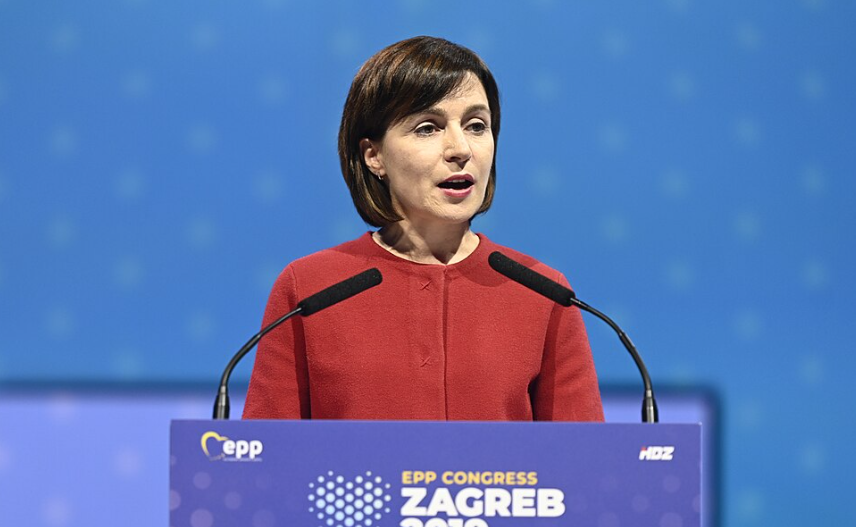
More than three decades after the Soviet Union’s collapse, the question of Moldova reuniting with neighbouring Romania has re-emerged in public debate after President Maia Sandu openly said she would vote in favour of unification if Moldovans were asked in a referendum. The comment has revived an older narrative about shared history, identity, and security, even as most citizens remain focused on European Union membership as the primary strategic priority.
Moldova and Romania: A Historical Question Returns
Moldova and Romania were united as a single state from 1918 until the rise of Soviet control after World War II, with historical movements on both sides of the Prut River advocating for reunification. That idea was a central theme in Moldova’s early post-Soviet political landscape but faded as the newly independent republic charted its own path.
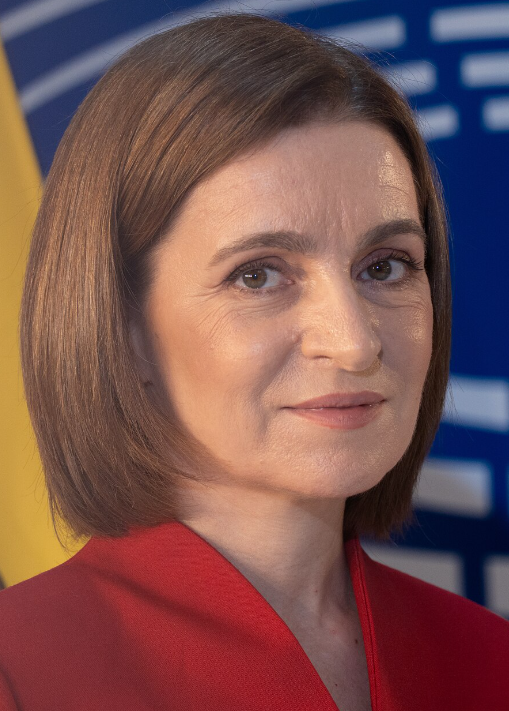
In January 2026, Sandu’s remarks put the question back into sharp focus when she said she would personally vote in favour of reunification with Romania if a referendum were held, linking the idea to stability and democratic preservation. The comment came as part of a wider conversation on Moldova’s long-term future in Europe.
Public Support — What Polls Show
Despite Sandu’s personal stance, polls indicate that a clear majority of Moldovans do not currently support unification with Romania. Support tends to hover around one-third of the population, with many citizens favouring EU membership over outright political merger.
President Sandu herself acknowledged that while she would back a union in principle, no majority currently backs it, and that decisions must follow the will of the people. That distinction has framed the unification option as a long-term possibility rather than an immediate political programme.
Geopolitical and Security Implications
Sandu and analysts alike have tied the unification discussion to regional security concerns, particularly Russia’s influence in Eastern Europe. Some proponents argue that closer ties with Romania — an EU and NATO member — could offer stronger safeguards against external pressure or destabilisation.
Moldova is also advancing its withdrawal from the Russia-led Commonwealth of Independent States (CIS) and pursuing EU accession — a clear sign of its westward political orientation. Critics of unification counter that EU membership alone could deliver security and economic benefits without dissolving Moldova’s sovereignty.
Romania’s Response to Moldova and Shared Ties
Romanian leaders and institutions have consistently expressed support for Moldova’s European integration, underscoring close cultural, linguistic, and historical bonds between the countries. Cooperative projects on infrastructure, education, and cultural exchange have reinforced these ties — even if formal political union remains a distant prospect.
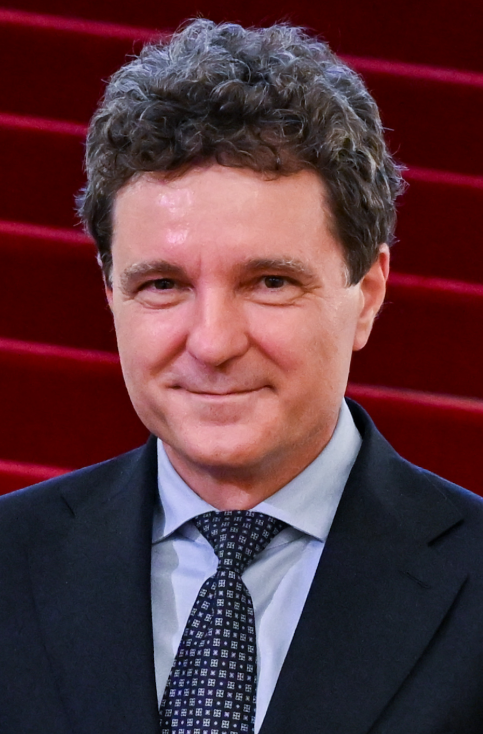
Still, Romanian officials — including President Nicușor Dan — have stressed that unification would depend on Moldovan public willingness, and that current priorities lie with shared European integration rather than merger.
You might also want to read: Trump Administration Suspends Immigrant Visas for 75 Countries