MrBeast Under Fire for Trapping Man in “Burning Building” for $500,000
© CC BY 4.0
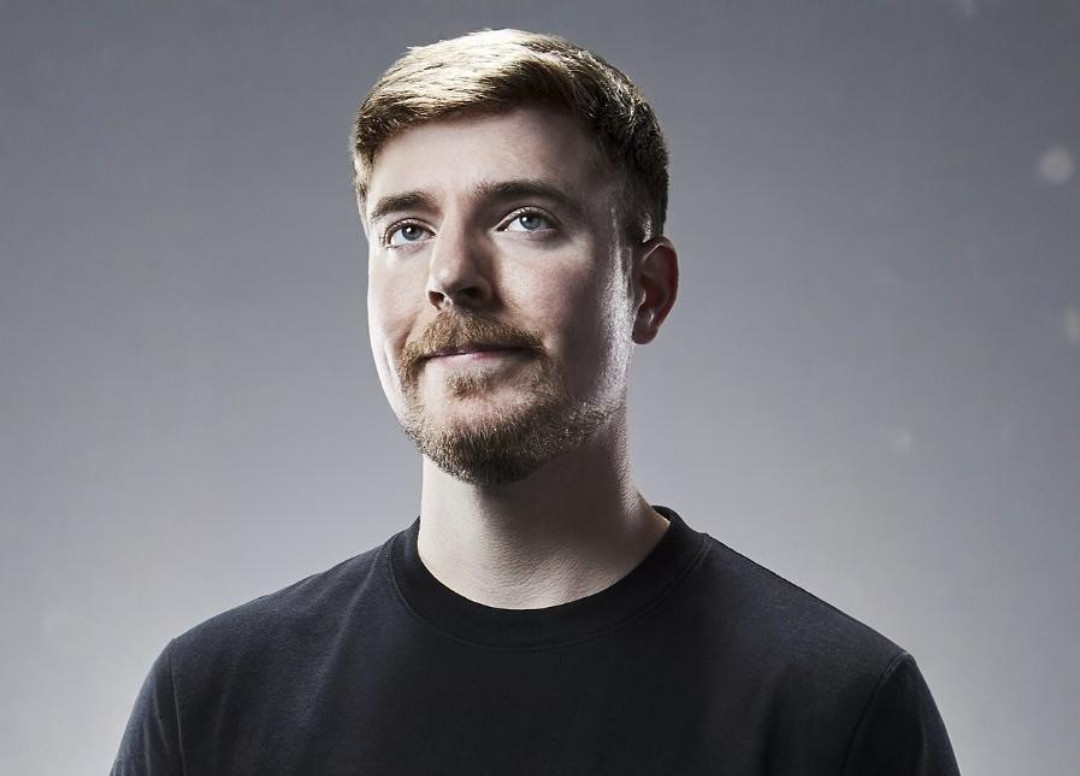
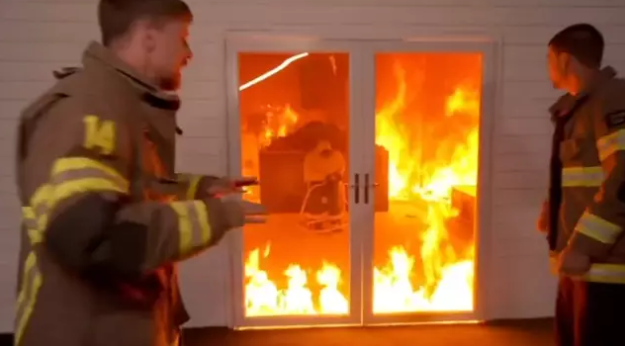
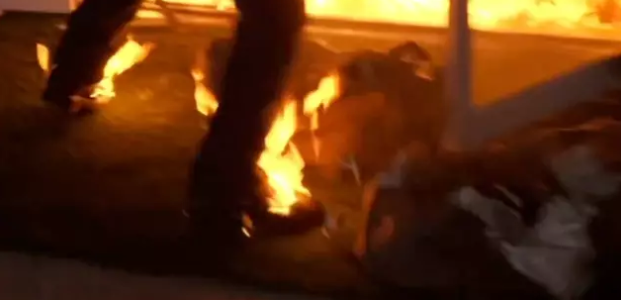
YouTube sensation MrBeast (James Donaldson) is being criticized heavily after releasing a viral video where a participant was seemingly trapped inside a burning structure in exchange for cash. The video, viewed over 47 million times, shows flames surrounding a man tied to a chair, with a prize of $500,000 dangled just outside his reach. The participant wriggled free and collected bags of cash while on fire before stopping at $250,000. The stunt is drawing accusations of recklessness, moral boundaries being crossed, and audience safety concerns.
MrBeast defended the stunt, stating that the participant was a “professional stuntman,” and claiming that safety precautions were in place: ventilation to clear smoke, and a “kill switch” to extinguish flames if things went wrong. He asserted that the production team “tested this extensively” and said, “I take safety more seriously than you could ever imagine.”
Viewer Reactions: Horror vs. Entertainment
Reaction online has been swift and often brutal. Many viewers called MrBeast’s prank “psychopathic,” arguing that the smoke alone could have suffocated the participant before flames even reached them. Others expressed worry that younger fans would see this as a dare or challenge to emulate. Comments compared the scene to deadlier fiction — “Hunger Games”, “Saw” — and lamented that needing money should never force someone to risk life. One viewer warned that it only takes the wrong group of kids to try something similar and end in tragedy.
Some fans defended MrBeast by stressing that he regularly stages large, dramatic stunts and that followers expect a certain scale of spectacle. But even supporters voiced discomfort at how intensely life-risking the setup appeared.
The Line Between Risk & Responsibility
This event has reignited the debate about how far content creators should push limits for entertainment. The costume of “prank video” can mask real danger—especially when broadcasting to millions of viewers, many of whom are children or teens.
MrBeast’s reference to professional stunt involvement and safety procedures raises important questions: To what degree can an audience trust disclaimers and behind-the-scenes safeguards? Even with precautions, inherent risks remain when fire, smoke, and trapped environments are involved. The liability ladder is steep when risk is monetized as spectacle.
It also highlights the evolving pressures on creators: every year, audiences expect more daring content, more tension, more spectacle. But where is the moral line between viewer thrill and creator responsibility?
What’s Next & Broader Impact
MrBeast’s response will be critical. If the backlash grows, platforms like YouTube may face pressure to regulate such high-risk stunts or enforce disclosure and safety standards. Sponsors may also reassess alignment with creators who court controversy to this degree.
Industry observers may use this as a case study for influencer ethics. Media regulators and platforms might weigh imposing stricter rules about what kinds of dangerous content are permissible under rules of safety, age gating, or disclaimers.
Even as MrBeast emphasizes precautions and professionalism, public trust is fragile. One misstep or unverified claim of safety could tip the balance from spectacle to scandal.
Conclusion
MrBeast’s burning-building prank has exposed a raw fault line in modern influencer culture: the balance between spectacle and safety. While he insists the participants were professionals and precautions were in place, many viewers see the stunt as reckless and morally questionable.
Content creators increasingly find themselves walking a tighter rope — where pushing the envelope can win views, but risking physical harm can destroy reputation. In this case, MrBeast’s experiment with fire has left more questions than applause.
You might also want to read: YouTube Paid Creators Over $100 Billion in Four Years