Nemo Returns Eurovision Win in Israel Protest
© CC BY 4.0
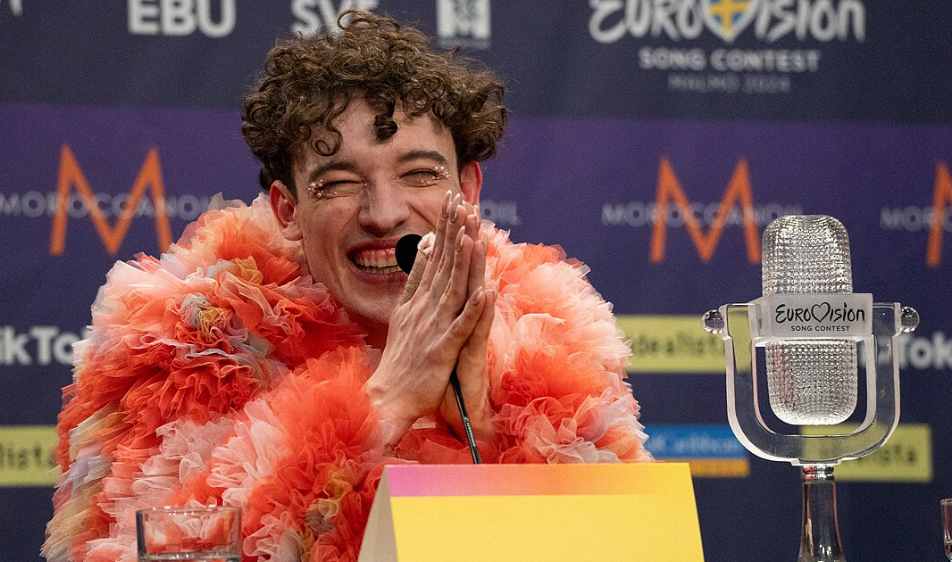
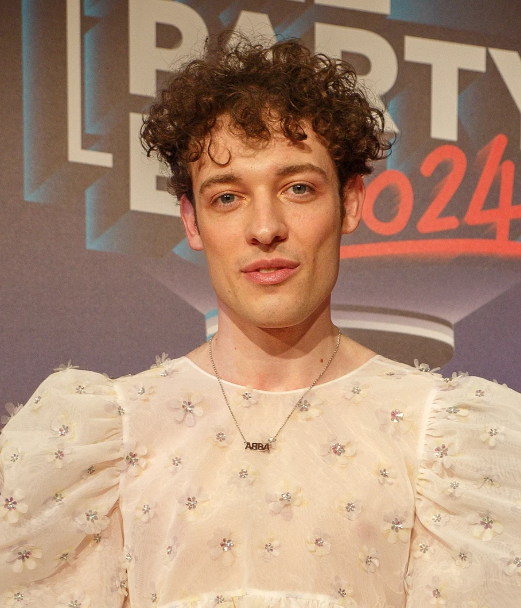
Before the next Eurovision Song Contest kicks off with glitter and song, one of its most recent winners has made a splash of a very different kind. Nemo — the Swiss artist who won Eurovision in 2024 with their hit The Code and became the first openly non-binary champion of the contest — has announced they are returning their winner’s trophy in protest over Israel’s planned participation in the 2026 edition.
The move adds a deeply symbolic moment to an already politically charged build-up to next year’s competition.
Why Nemo Returned the Trophy
In a video posted to Instagram, Nemo held the glass microphone-shaped trophy and explained why they no longer feel it deserves a place on their shelf. They said the Eurovision Song Contest is meant to stand for “unity, inclusion and dignity for all people,” but that Israel’s continued involvement — while a war in Gaza persists — contradicts those ideals.
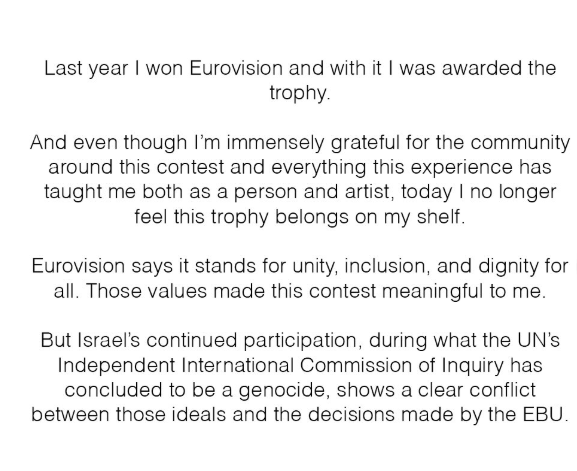
Nemo also called attention to the fact that multiple countries have pulled out of Eurovision 2026 in protest, framing their decision as a statement about consistency between art, values, and how the contest is run.
The Wider Context — Boycotts and Backlash
Nemo’s protest comes amid a broader pushback over Israel’s participation next year, after the European Broadcasting Union (EBU) declined to expel Israel from the competition despite political controversy tied to the ongoing war in Gaza. Several public broadcasters have since boycotted Eurovision 2026, including Spain, the Netherlands, Ireland, Slovenia, and Iceland.
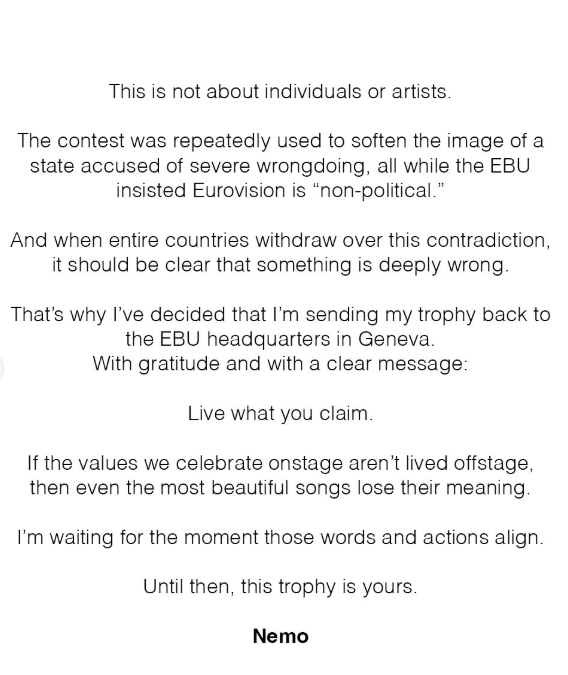
While Eurovision’s organisers say the contest must stay non-political, the situation has challenged that claim — with national broadcasters arguing that permitting Israel to compete under current conditions undermines the event’s purported message of unity. Critics say this controversy could change how audiences see the contest’s cultural role.
What Eurovision Winner Nemo’s Stand Signals
Nemo’s decision is significant for several reasons:
- Symbolic gesture: Returning an award is rare and highly symbolic — especially from a winner whose career has been shaped by Eurovision’s global platform.
- Alignment with boycotts: Their protest aligns with broader withdrawals by multiple countries, showing a shared discomfort among artists and broadcasters with the contest’s handling of this issue.
- Spotlight on values: By invoking Eurovision’s stated values, Nemo has positioned their act as a call for the EBU to align its decisions with its ideals.
Nemo stressed that their protest is not directed at individual artists or fans, but at what they see as inconsistent decision-making by the contest’s organisers.
What Comes Next for Eurovision
Eurovision 2026 is scheduled to take place in Vienna in May, following Austria’s win in 2025. With several broadcasters already boycotting and now a high-profile return of a trophy from the previous winner, the traditional feel-good image of Eurovision faces renewed scrutiny.
As the contest approaches, organisers and fans alike will be watching closely to see whether more reactions like Nemo’s emerge — and how long Eurovision’s political neutrality can hold up amid wider geopolitical pressures.
You might also want to read: Iceland Says ‘No Thanks’ to Eurovision 2026 Over Israel Row