The Netherlands Is the Only Country That Has Eaten Their Leader

Public Domain
One of the most dramatic and violent episodes in the history of the Netherlands occurred in 1672, when a powerful political figure, Johan de Witt, met a gruesome end amid war, political turmoil, and widespread public fury.
Once the dominant leader of the Dutch Republic, De Witt’s downfall came during a year now known in Dutch history as the Rampjaar, or Disaster Year, when England, France, and other powers invaded the Netherlands, and internal divisions brought deadly consequences.
Who Was Johan de Witt?
Johan de Witt (born 24 September 1625 in Dordrecht) was a leading Dutch statesman who served as raadpensionaris (councillor pensionary) of Holland from 1653 until 1672 — a position equivalent to head of government in the Dutch Republic. Educated at Leiden and known for his skill in mathematics and diplomacy, De Witt helped guide the Netherlands through a period of commercial and naval strength during the Dutch Golden Age.
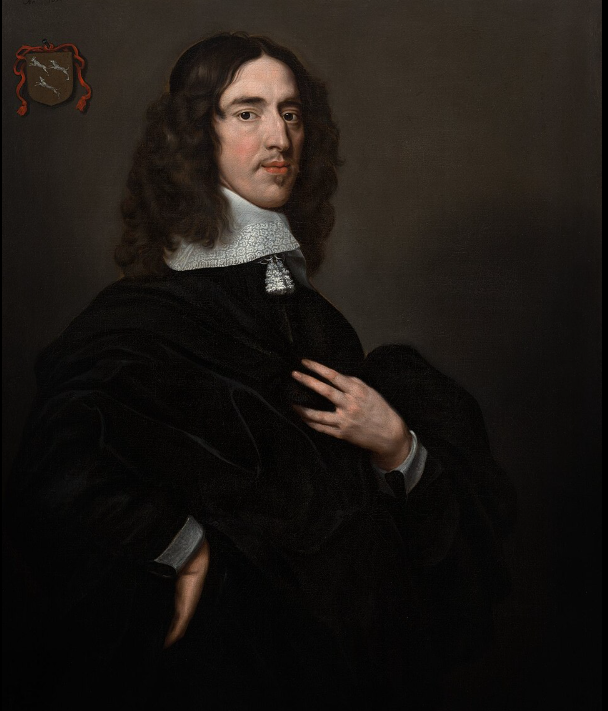
De Witt’s leadership focused on strengthening the Republic’s international position, negotiating peace after the Second Anglo-Dutch War, and maintaining a republican form of government that limited the power of the House of Orange, the traditional military and aristocratic faction in Dutch politics.
The Netherlands War With England and France — The Rampjaar
In 1672, France under Louis XIV suddenly declared war on the Dutch Republic, and England allied with France in what became the Third Anglo-Dutch War — part of a broader conflict tied to the Franco-Dutch War. The Republic was attacked from multiple fronts, creating a climate of fear, economic strain, and societal panic.
As military setbacks mounted, many in the Netherlands blamed De Witt’s government for the calamity and began calling for the return of a strong military leader from the House of Orange — specifically William III of Orange, whom many hoped could defend the nation. This shift reignited long-standing political tensions between republican and Orangist factions.
Lynching and Death
With public pressure mounting, De Witt was forced to resign his post on 4 August 1672, after nearly two decades at the helm. Shortly afterwards, his brother Cornelis de Witt was arrested and accused of plotting against William III. Cornelis was imprisoned and tortured.
On 20 August 1672, an enraged mob in The Hague stormed the prison where the brothers were held, seized them, and brutally lynched them in the street. Contemporary accounts describe them being dragged through the city, dismembered, and killed by the crowd. The violence was part of a chaotic breakdown of order during the Rampjaar, reflecting both intense political animosity and the sense of desperation gripping the Republic.
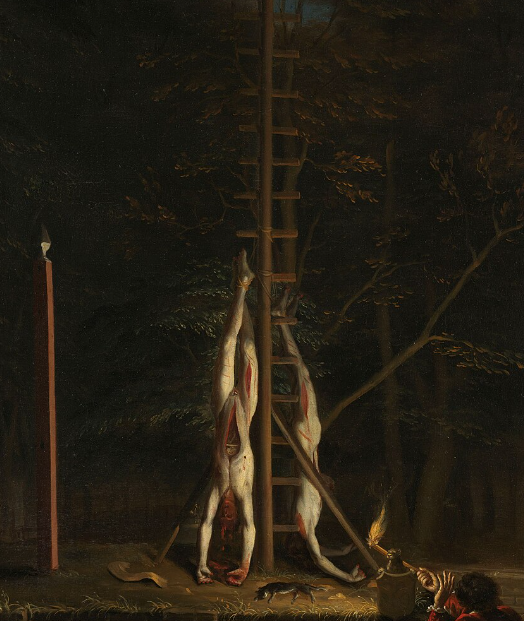
While folklore and later retellings sometimes claim parts of the bodies were eaten or sold as souvenirs by the crowd, historians note these details derive from dramatic contemporary pamphlets or later embellishments rather than strict documentary confirmation.
Legacy and Historical Impact
Johan de Witt’s death marked a turning point in Dutch history. His leadership had helped to maintain a flourishing trading republic at the height of its power, but the combined pressures of war and internal division culminated in one of the most violent political purges of the period.
After the lynching of the De Witt brothers, William III of Orange rose to prominence as stadtholder and later became King of England after the Glorious Revolution of 1688. The shift from a republic dominated by regents like De Witt to one led by an Orangist monarchy left a lasting imprint on Dutch and European political history.
You might also want to read: The Netherlands Is Closing Its Prisons: Here Is Why!