New Footage Shows Final Moments in ICE Shooting
© X
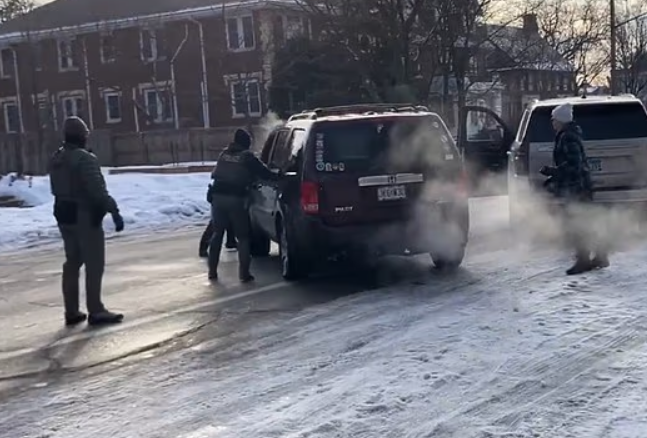
Newly surfaced footage captured seconds before 37-year-old Renee Nicole Good was fatally shot by an ICE agent in Minneapolis shows the interaction between Good and federal officers just before the shooting — and it’s raising new questions about what happened. The videos include cellphone clips from the ICE agent’s own phone, walking around Good’s vehicle, and moments later, gunshots ringing out.
The footage does not show the actual shooting from all angles, but it does give the most detailed look so far at the tense sequence leading up to the fatal encounter.
What the Video Appears to Show
According to reporting from NBC News, the video — believed to have been recorded on ICE agent Jonathan Ross’s cellphone — shows Good sitting inside her vehicle before the fatal confrontation. As the agent approaches the SUV, Good appears calm and at one point is heard speaking directly to him.
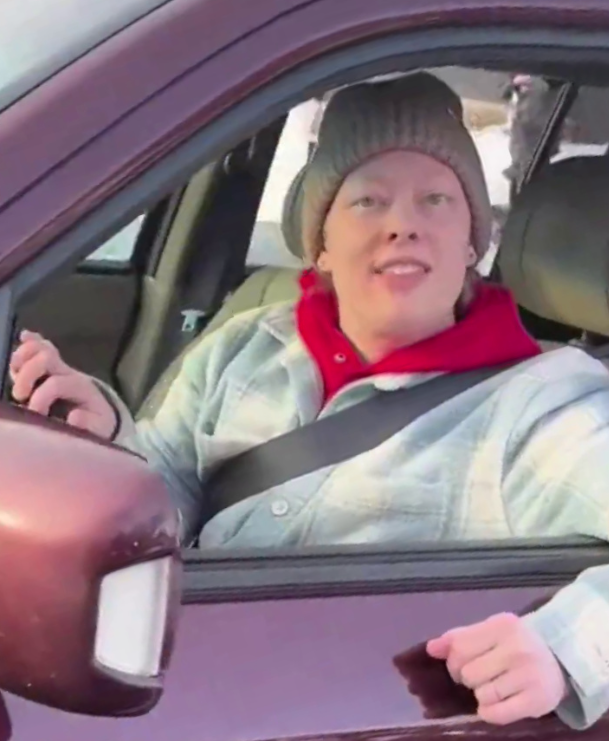
In the footage, Good can be heard saying, “That’s fine, dude, I’m not mad at you,” while smiling slightly as the agent walks around her car. A black dog is visible in the back seat during part of this interaction.
Bystander noise — honking cars, whistles, and distant voices — echoes in the background, suggesting other nearby activity during the federal operation. At one point, Good’s partner, identified as her wife, addresses the agent from behind the vehicle with a cellphone in hand.
Shortly after this scene, Good starts to move her vehicle, turning the wheel away from the approaching officer. That’s when multiple shots are fired by the agent, and the camera jerks around, partly capturing the sudden chaos of the moment.
Another clip released separately by DHS appears to show Good’s car parked across the road, with ICE officers nearby, before the footage cuts off a few seconds before the shooting.
Different Narratives Emerge Around the Footage
The new clips have become central to competing narratives about what led up to the deadly encounter. Federal officials, including the Department of Homeland Security, have maintained that the agent was justified in using deadly force, alleging Good “weaponized” her vehicle and posed a threat. They released select parts of the video to support that claim.
Vice President JD Vance publicly shared the footage on social media, suggesting it shows the agent acted in self-defense — a claim his defenders echo.
Yet local leaders, advocacy groups, and media analysts have pointed out that the clips also show Good in non-threatening moments, like calmly talking and indicating she wasn’t angry or aggressive toward the officer. Critics of the official narrative say the portion of video made public doesn’t clearly establish imminent danger that legally justifies deadly force.
What Happens After the Footage
Though the video ends before the gunfire, separate clips do capture the chaos immediately following the shooting, including Good’s vehicle accelerating and sounds of panic in the background. Some observers online have noted alleged language heard on other clips after the shots were fired.
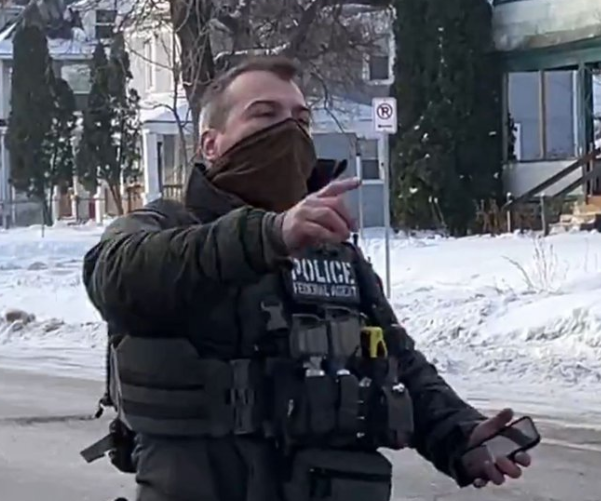
However, the lack of a full, unedited timeline has fueled widespread debate over whether officials are selectively releasing evidence or withholding crucial context. Local activists, politicians, and civil liberties organizations have demanded broader transparency and a full release of all footage.
Why This Matters to the Public
The controversy over the video isn’t just about what’s visible — it’s about how that footage is interpreted and how it fits into broader questions around federal enforcement tactics, use of force standards, and accountability for deadly encounters. Officials say they are still reviewing all available videos, witness accounts, and related evidence before drawing conclusions.
Meanwhile, multiple demonstrations have taken place in Minneapolis, with protesters calling for a full and transparent investigation and federal accountability. The release of this footage has only amplified public scrutiny and divided opinions across political and social lines.
As more videos circulate — from bystanders, social media, and potentially more angles captured by law enforcement — the debate over what exactly happened in those final seconds before the shots rang out is likely to continue.
You might also want to read: Bill Ackman Donates $10,000 to ICE Agent Who Shot Good