Prince Andrew Said He Wanted to Be Jeffrey Epstein’s “Pet”
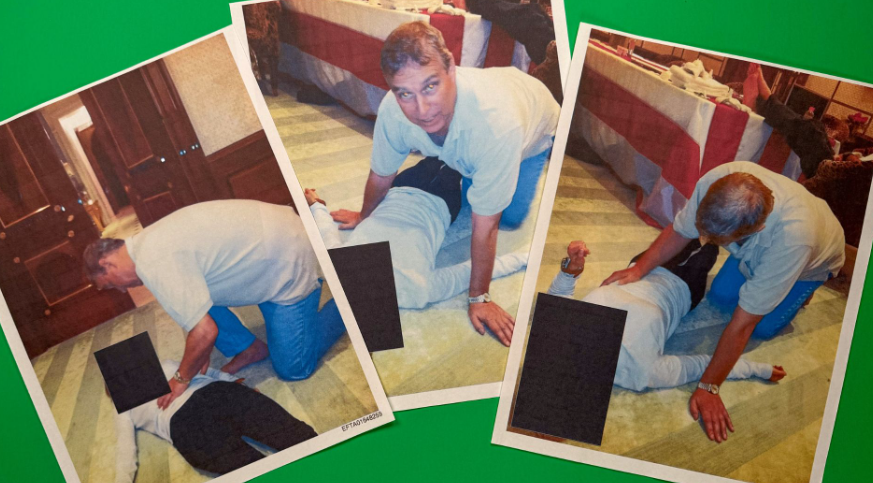
© DOJ
Fresh documents released from the Jeffrey Epstein files include previously unseen email exchanges involving Andrew Mountbatten-Windsor — the former British royal once known as Prince Andrew. Among the most widely-reported messages is one in which he allegedly told Epstein he wished to still be his “pet,” a phrase that has reignited public and media interest in the nature of their relationship more than a decade after the disgraced financier’s 2019 death.
The revelations arrive as part of a multi-million-page release under the Epstein Files Transparency Act, which has brought a torrent of emails, photos, and records into public view — including material that touches both Andrew’s personal life and his long-publicised association with Epstein.
What the “Pet” Email Shows
Among the documents now in the public domain is an email allegedly from Andrew to Epstein in which he refers to himself as wanting to be the financier’s “pet,” a term that struck many commentators as unsettling given the context of their previous interactions.
The message, dated around 2010, is part of a broader correspondence thread that emerged alongside other exchanges in which Andrew and Epstein discussed social plans and mutual acquaintances. In the same set of files, there are emails suggesting ongoing contact after Epstein’s 2008 conviction — contradicting earlier statements that Andrew had severed ties following that period.
The phrase itself — “wish I was still a pet in your family” — has been interpreted by some as indicative of an unusually personal or dependent tone in his communications with Epstein. However, being named or quoted in files does not equal verified wrongdoing, and neither Andrew nor any official representative has acknowledged the context or authenticated the email.
Renewed Scrutiny of Andrew’s Ties to Epstein
The newly revealed email adds to a growing body of material that has amplified questions about the extent and character of Andrew’s relationship with Epstein. Previous releases have already shown:
- Emails arranging meetings and introductions to social acquaintances via Epstein, including references to women suggested by the financier.
- Exchanges in which Andrew appeared to enthusiastically accept invitations from Epstein after the financier’s 2008 conviction and 2010 release from prison.
- Photographs and emails have drawn political and public reactions, leading to a loss of titles and public status for Andrew in recent years.
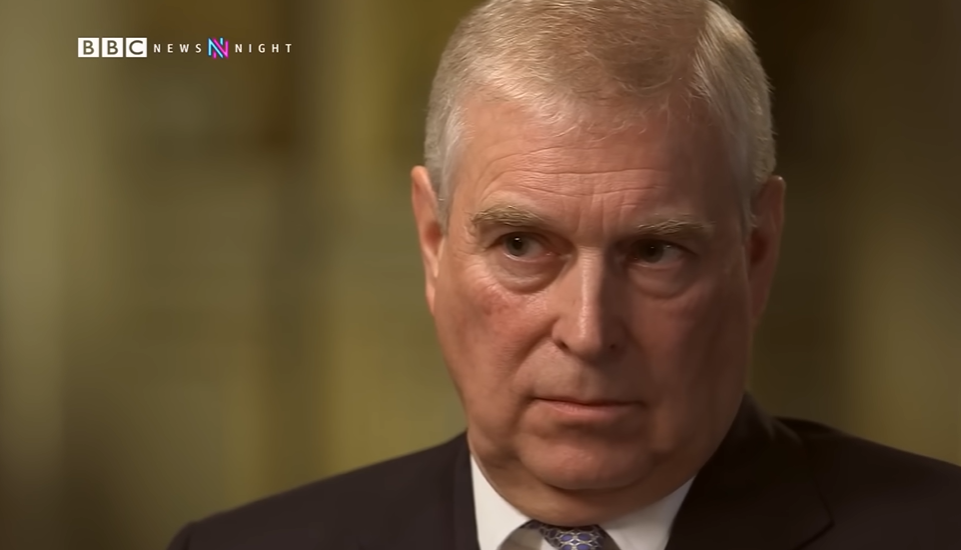
Despite repeated denials of wrongdoing from Andrew and handfuls of royal communications asserting that he did not engage in criminal conduct, these documents have been seized on by critics as further evidence of a close and enduring association that extended well past Epstein’s earlier legal troubles.
Broader Context — The Epstein Files
The latest tranche of documents — released in compliance with the Epstein Files Transparency Act — includes millions of pages of emails, images, and materials previously never made public. The Justice Department and legal officials emphasize that inclusion in the files does not in itself prove wrongdoing or criminal involvement, and raw communications often lack definitive context as standalone pieces of evidence.
Even so, the sheer volume and content of these records have reignited debate around the relationships Epstein maintained with global elites, from political figures to business leaders and members of royal families.
You might also want to read: New Epstein Photos Show Prince Andrew Hovering Over Woman