Robert DuBoise: 37 Years Behind Bars for Crime He Didn’t Do
© innocentproject.com
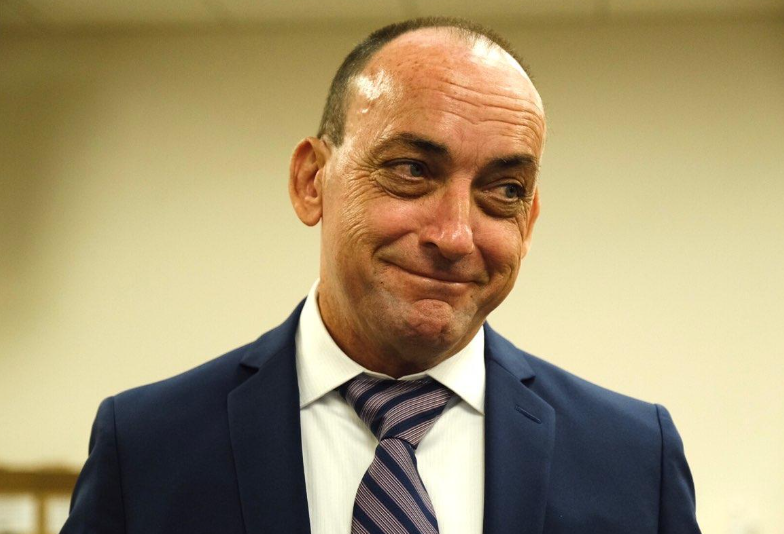
In a deeply troubling example of wrongful conviction, Robert DuBoise spent nearly 37 years in prison—three of those on Florida’s death row—before being officially exonerated on September 14, 2020.
His release came after new DNA testing excluded him and identified another individual.
Robert DuBoise: Arrest & Conviction
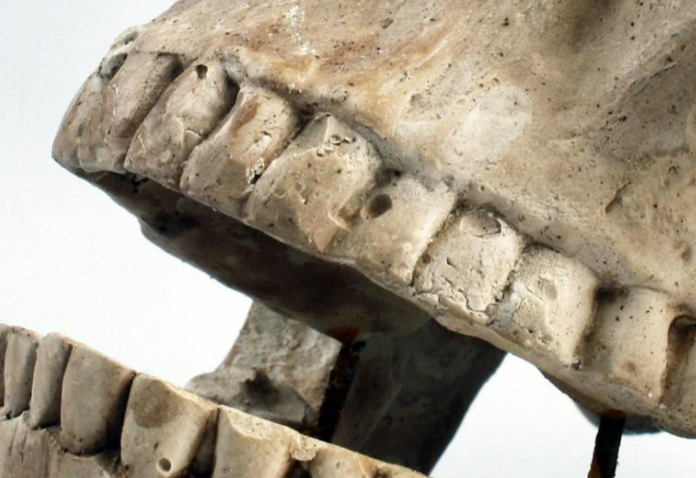
In August 1983, when he was just 18, DuBoise was arrested in Tampa, Florida, for the rape and murder of 19-year-old Barbara Grams. Investigators claimed they found a bite mark on the victim’s cheek and had a forensic odontologist compare it to DuBoise’s teeth.
At trial in 1985, he was convicted of capital murder and attempted sexual battery. Although the jury recommended a life sentence, the judge overrode that and sentenced him to death.
Faulty Evidence & Informant Testimony
DuBoise’s case rested heavily on two problematic types of evidence:
- Bite-mark analysis: The “bite mark” on the victim was presumed to match DuBoise’s teeth, but later expert review found the injury wasn’t a bite mark at all.
- Jailhouse informant testimony: A prisoner testified that DuBoise confessed, but that the informant had received plea benefits and the relationship was concealed from the jury.
These two faulty pillars contributed significantly to his wrongful conviction.
New Evidence & Exoneration
By 2006, DuBoise sought post-conviction DNA testing, but was told the evidence had been destroyed in 1990. In 2018, the Innocence Project and the Conviction Review Unit in Tampa began reviewing his case. A breakthrough came when autopsy slides were found and DNA testing revealed male profiles that excluded DuBoise, and one matched a person with no link to him.
He was released on August 27, 2020, and the conviction was officially vacated on September 14.
Aftermath & Compensation for Robert DuBoise
Despite being wrongfully imprisoned for decades, DuBoise was initially ineligible for state compensation under Florida’s law. This was because he had previously been convicted of unrelated minor offenses. In 2024, the City of Tampa approved a $14 million settlement to resolve his lawsuit.
Why This Case Matters
- Forensic reform: DuBoise’s case highlights how, once accepted in court, bite-mark analysis is now widely discredited.
- Systemic risks: Use of informants with undisclosed benefits and the overriding of jury sentencing both raise serious justice concerns.
- Human cost: Nearly four decades deprived of freedom, used for a conviction later found invalid—DuBoise’s story is a stark reminder of what wrongful conviction can mean.
What to Watch
- Whether Florida reforms its compensation law to remove exclusions for exonerees with prior offenses.
- How other jurisdictions review cases that relied on now-discredited forensic science or informant testimony.
- Advocacy efforts to ensure timely review for those still serving sentences based on weak or flawed evidence.
You might also want to read: Alabama Executes Anthony Boyd by Nitrogen Gas