Sabrina Carpenter Slams White House for Using Her Song
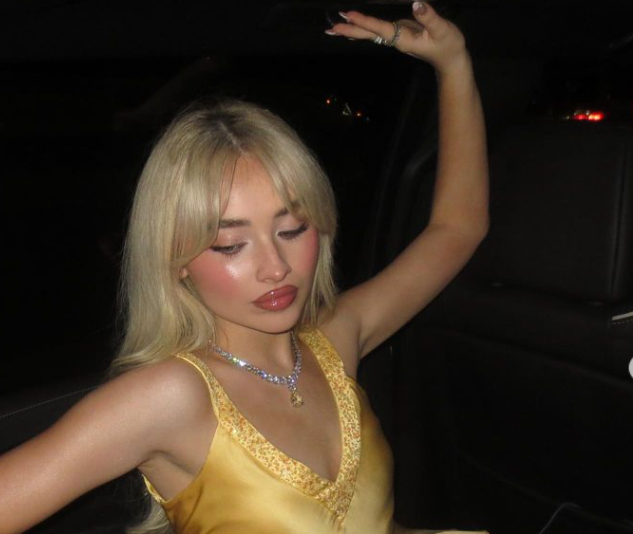
© sabrinacarpenter / Instagram
On December 1, the White House posted a video on social media showing clips of immigration enforcement actions — arrests, detentions, and raids by U.S. Immigration and Customs Enforcement (ICE). The backing track for the montage: Sabrina Carpenter’s 2024 song Juno.
What Happened: The Song, The Video, The Backlash
The video’s caption included a line referencing the song’s lyrics — “Have you ever tried this one? Bye-bye.” The implication: using the music to frame the ICE enforcement as some kind of punchy “justice” or “deal.”
Carpenter responded swiftly. On her X (formerly Twitter) account, she wrote: “this video is evil and disgusting. Do not ever involve me or my music to benefit your inhumane agenda.”
Why She’s Speaking Out — And What She’s Accusing Them Of
According to Carpenter and many observers, the issue isn’t just unauthorized use — it’s the context. She argues that by pairing her song with images of ICE arrests and immigration raids, the video is promoting a harsh, punitive policy under the guise of pop-culture energy. For her, that’s not only misleading but morally wrong.
It’s also part of a broader pattern: other musicians have previously objected to the use of their work in political content, refusing to condone when art is used to push controversial or harmful policies.
In her statement, Carpenter made it clear she does not want to be associated with — or complicit in — what she calls an “inhumane agenda.”
White House’s Response — Dismissal, Not Apology
Shortly after Carpenter’s protest, a White House spokesperson responded publicly. The reply didn’t include an apology or acknowledgement of wrongdoing. Instead, it defended the administration’s actions, calling the video—and the underlying policy—justified. They framed their immigration enforcement approach as necessary for national safety and said they wouldn’t apologize for it.
The statement struck many as dismissive — not just of Carpenter’s objection, but of the broader ethical concerns raised by using popular music to promote politically charged content.
Why It’s Bigger Than One Song
This clash illustrates a growing tension over how art and politics intersect — especially in the age of social media. Key issues raised include:
- Consent and creative control: Should a government be allowed to repurpose a pop song — without permission — to promote its policies?
- Ethics of propaganda: Using upbeat music to soundtrack harsh immigration enforcement might gloss over human suffering and frame it as entertainment or “victory.”
- Artists’ rights and public statement: Musicians like Carpenter increasingly feel responsible for how their art is used — and are speaking out when they disagree with its context.
- Public perception: When government messaging leans on popular culture, it can blur lines between entertainment and serious policy, influencing public attitude in subtle ways.
You might also want to read: Sabrina Carpenter to Star in “Alice in Wonderland” Musical