Scientists Achieve Pancreatic Tumour Regression in New Study
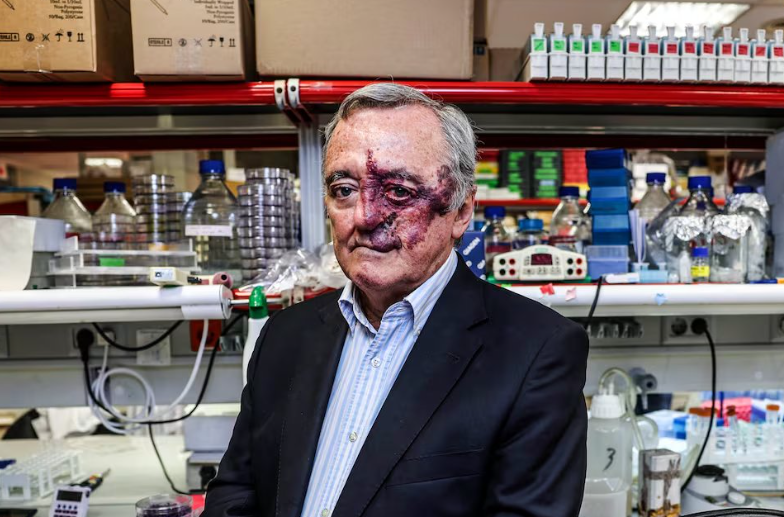
© europa / X
Pancreatic cancer — one of the most aggressive and deadly forms of cancer — may be on the cusp of a major scientific breakthrough. Researchers at Spain’s National Cancer Research Centre (CNIO) have developed an experimental triple-drug therapy that completely eliminated pancreatic tumours in mice, achieving full regression and preventing recurrence in preclinical models.
The results have drawn global attention for a disease that has seen little progress in long-term survival rates.
What the Study Found
In the study, scientists used a three-part treatment strategy to defeat pancreatic tumours in mouse models, targeting multiple pathways that cancers use to grow and resist treatment. By simultaneously blocking key mechanisms linked to the cancer’s survival, the therapy led to complete tumour regression — meaning the tumours shrank to undetectable levels — and no signs of resistance or regrowth during the observation period.
This achievement is particularly noteworthy because pancreatic cancers are notoriously difficult to treat and often develop resistance to single-drug therapies. The approach aims to cut off several of the tumour’s escape routes at once, leading to sustained regression in animal models.
The Science Behind the Treatment
The CNIO researchers developed a triple therapy combining three compounds that each hit a different part of pancreatic tumour biology:
- KRAS pathway inhibition: KRAS mutations fuel the growth of most pancreatic tumours. One compound in the regimen directly targets this oncogenic driver.
- Blocking downstream signals: Another drug interferes with growth signals that can otherwise rescue the cancer if KRAS alone is blocked.
- Protein degradation: A third agent disrupts a backup survival mechanism cancer cells use, preventing them from regaining growth capacity.
This multi-pronged attack appears to overpower tumour adaptability, preventing the kind of resistance that has long frustrated oncologists. In CNIO’s experiments, mice treated with the regimen showed tumour disappearance without significant toxicity, a key milestone that suggests the combination could be well-tolerated in further research.
Why It Matters
Pancreatic ductal adenocarcinoma (PDAC) — the most common form of pancreatic cancer — has a five-year survival rate often below 10% because it’s usually diagnosed late and resists conventional treatments. New therapies are desperately needed.
While this study was conducted in mice, and human biology is more complex, the results are being hailed as among the most significant steps forward in decades. Tumours that completely disappear in preclinical models are rare, especially in such a challenging cancer type, and the lack of recurrence suggests the therapy may disrupt the cancer’s ability to rebound — a major scientific challenge.
Next Steps Toward Human Trials
Researchers are now focused on translating these promising findings into clinical trials involving humans. That process typically involves several “phase” studies to test safety, dosage, and effectiveness in patients, and can span years. The lead scientists have emphasized the need for funding and collaboration to move forward, and early planning for human research is underway.
Scientists caution that not all breakthroughs in mice translate directly to human patients — but they also acknowledge that this advancement provides a strong direction for future research, including refined combination therapies and more personalized approaches.
You might also want to read: Using ChatGPT for Over 4 Months Linked to 47% Neural Decline