Scientists Reveal What You Need to Do to Live Until 100

© Generated by Recraft
Reaching 100 years old is a milestone few people achieve, yet scientists continue to study what allows some to live such long lives.
A new study has revealed that many centenarians share one key common trait that may explain their remarkable longevity.
The Study Findings
Researchers examined the health and lifestyles of people who had reached 100 years or more. Surprisingly, despite differences in diet, environment, and lifestyle, most of them had one thing in common: a resilient and well-balanced immune system.
This ability to maintain strong immunity even in old age could be a significant factor in preventing diseases and supporting long-term health.
Why Immunity Matters
The immune system naturally weakens with age, making older adults more vulnerable to illnesses.
However, in centenarians, researchers discovered that their bodies still produce immune cells similar to those of much younger people. This helps them fight off infections and recover more effectively, contributing to their extended lifespan.
More Than Just Genetics
While genetics certainly plays a role, scientists believe environment, mental health, and daily habits also influence longevity.
Many centenarians reported living active lifestyles, maintaining social connections, and finding ways to reduce stress—factors that may help protect the immune system and overall well-being.
Lifestyle Patterns in the Oldest Old
Beyond immunity, the study highlighted some lifestyle similarities among centenarians. Many practiced moderation—whether in diet, alcohol, or physical activity.
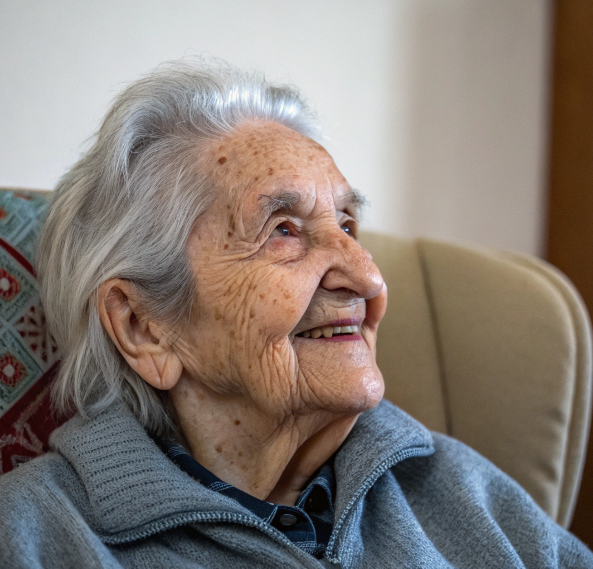
Instead of extreme health regimens, they often lived balanced lives with regular movement, fresh foods, and meaningful daily routines. Social bonds also stood out as a powerful factor, with strong community ties and supportive relationships linked to both happiness and longevity.
The Role of Modern Science
The findings are not just fascinating—they could reshape how doctors approach aging. By analyzing the immune cells of centenarians, researchers hope to unlock therapies that mimic these protective mechanisms in younger generations. This could mean advances in vaccines, anti-aging medicine, and treatments for age-related illnesses such as Alzheimer’s and heart disease.
What We Can Learn
This discovery could pave the way for new medical research focused on boosting immunity as people age. By understanding how centenarians’ bodies preserve immune strength, doctors may be able to develop treatments that help others live longer, healthier lives.
A Glimpse Into the Future
The findings suggest that aging doesn’t always have to mean declining health. With more research, scientists hope to unlock strategies that could give future generations longer lifespans and a better quality of life in their later years.
You might also want to read: China Develops First Humanoid Robot with Artificial Womb to Simulate Full Pregnancy