South Korea Inches Toward Legalizing Tattoo Artists After 33-Year Prohibition
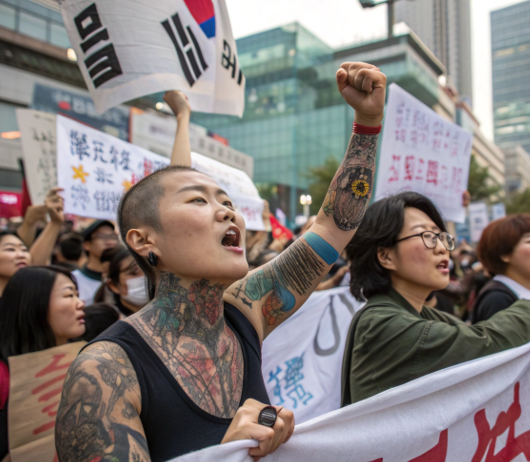
© Generated by Recraft
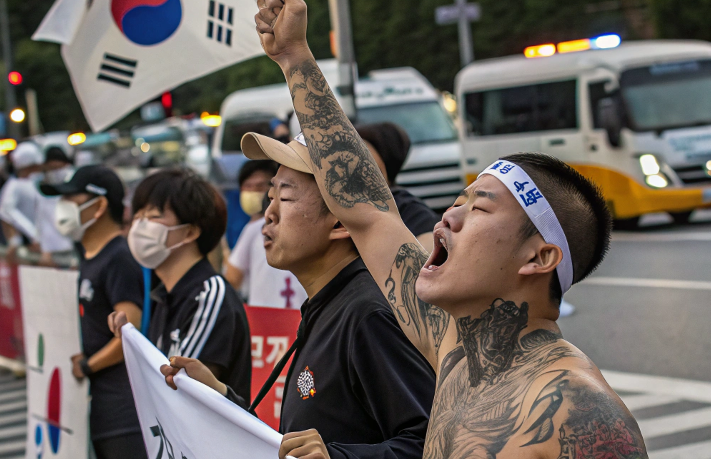
Since a 1992 Supreme Court decision, South Korea has classified tattooing as a medical procedure, allowing only licensed medical professionals to perform the service.
That ruling, later upheld by the Constitutional Court in 2022, branded tattooists as illegal under current health regulations. Raids, heavy fines, and even prison sentences have been threats tattoo artists have long faced.
Shifting Cultural and Political Winds
Despite the legal restrictions, tattoo culture thrives underground. An estimated forty thousand to fifty thousand tattoo artists operate discreetly, serving a growing tattooed population—especially among younger generations who view body ink as a form of personal expression and artistry.
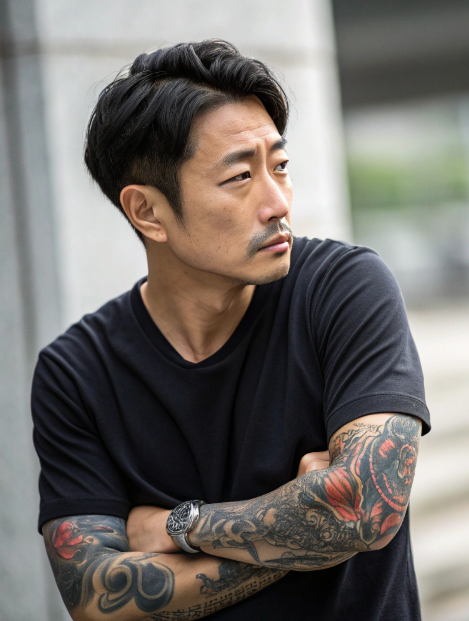
Celebrities and K-pop stars, too, have helped destigmatize tattoos socially, even as they remain taboo in the media.
South Korea Government Moves to Regulate, Not Prohibit
Now, signs of change are emerging. The Ministry of Health and Welfare launched a study into creating a national certification system and continuing education for tattoo artists.
The goal is to lay the groundwork for formal training, licensure exams, and hygienic standards. A full legislative proposal could be crafted once the study wraps up.
Growing Demand Meets Political Support
Public sentiment is tilting in favor of legalization. Surveys show overwhelmingly positive views among younger South Koreans—80% in their 20s support legal tattooing, a trend that drops with older age groups.
Some political leaders are listening: a presidential candidate backed semi-permanent cosmetic tattoos, and lawmakers even proposed bills to legitimise the trade. These efforts aim to formalize the industry, protect artists, and boost economic opportunity.
Resistance From Medical Establishment
The proposal isn’t without opposition. Medical associations remain wary, arguing that tattooing involves the injection of foreign substances into the skin, posing infection risks that only medical training can mitigate.
They fear diluting professional standards and compromising public health, particularly if education and regulation are inadequate.
From Underground to Mainstream
Tattoo artists like Doy, a well-known figure who has inked celebrities, are leading the charge. He founded South Korea’s first tattoo artists’ union and advocates for legal protection, hygiene education, and safe working environments.
The current debate isn’t just about art—it’s about jobs, cultural shift, and legitimacy.
You might also want to read: North Korea Opens Up for Tourists: What You Need to Know