Spain Just Made European History With Paid “Period Sick Days”

© gpointstudio / Freepik
In a bold move, Spain’s parliament passed a bill that gives paid medical leave specifically for women who suffer from severe period pain. This makes Spain the first country in Europe to codify menstrual leave into law.
The bill passed after a divisive vote: 185 in favor, 154 against, and three abstentions. Support came from a left-wing coalition, including the Socialist Party, Podemos, and pro-Catalan parties, while conservative and far-right groups opposed it.
What the New Law Actually Does
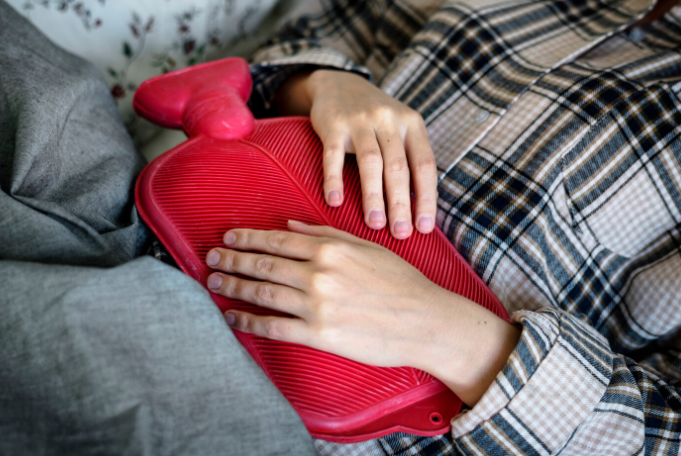
Under the new law, anyone experiencing incapacitating menstrual symptoms — like crippling cramps, nausea, dizziness, or vomiting — can call in “sick.”
- A doctor’s note is required to qualify for this leave.
- Instead of employers paying, Spain’s public social security system covers the cost of the leave.
- Initially, the draft mentioned unlimited leave. But the final law doesn’t set a strict cap — doctors judge how long someone needs to recover.
Why This Is a Big Deal
Spain’s leaders argue this law breaks a long-standing taboo around menstruation. Equality Minister Irene Montero called it a win for health rights: “We are recognising menstrual issues as part of the right to health.”
By treating menstrual pain as a legitimate medical issue — not just an “annoyance” — Spain is pushing for more understanding, less stigma, and better workplace policies for people who menstruate.
Backlash and Real Concerns
But the law isn’t without critics. Some unions worry this could backfire: if employers know certain workers can take extra leave, they might hesitate to hire them. Others are concerned about the medical requirements — for example, whether only people with diagnosed conditions (like endometriosis) will realistically qualify.
There’s also a question of identity: how to balance recognizing real pain while not reinforcing stereotypes that women (or people who menstruate) are “weaker” or less ready for work.
Is Anyone Actually Using It?
A year in, and uptake has been lower than some expected. According to reports, only a limited number of menstrual leave days have been taken. Part of the reason: to qualify, many people need a pre-existing diagnosis like endometriosis — not everyone with bad cramps meets that bar. Plus, some people worry about stigma or don’t even know the policy exists.

Why It Matters on a Broader Scale
This isn’t just about days off. Spain’s law might set a precedent for other countries: if menstrual leave becomes more common, it could reshape labor laws, workers’ rights, and how societies talk about menstruation.
It also raises deeper questions: Do we need more laws like this that account for gendered health differences? And how do you protect people in the workplace without turning them into a “risk” because their biology doesn’t fit traditional norms?
You might also want to read: Portugal Makes it Illegal for Bosses to Text Employees After Working Hours