Teen ‘Virgin’ Says She Got Pregnant at 17

© Caters
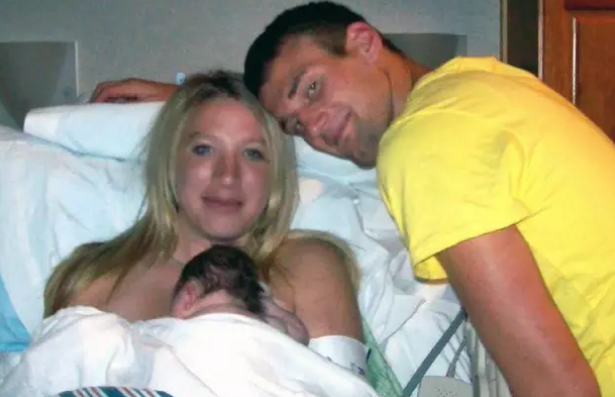
A young woman in the United States — identified only as a 17-year-old — has shared her story of testing positive for pregnancy despite saying she had never had penetrative sex, a claim that quickly drew attention online. The story circulated after she explained how doctors confirmed her pregnancy and that she had not engaged in intercourse.
Many readers initially reacted with disbelief, but her account highlights how conception can occur in rare situations without full sexual intercourse — a nuance often not well understood outside medical contexts.
How Pregnancy Can Happen Without Penetrative Sex
Medical experts say that while it’s unusual, pregnancy can happen without what many people think of as “sex.” Sperm can reach the vaginal opening through activities short of full intercourse — for example, during foreplay or external ejaculation near the vulva — and once sperm enters the vaginal canal, it can travel to an egg and fertilise it. According to sexual health education sources, pregnancy requires sperm to enter the vagina and meet an egg, regardless of how it gets there.

In some rare documented cases worldwide, people who say they never had intercourse have still conceived. Conditions like partial hymenal obstruction or anatomical variation don’t necessarily prevent external genital contact from leading to sperm reaching the vagina. Stories reported internationally show that when sperm is deposited close enough to the vaginal entrance, it can sometimes make its way inside and lead to fertilisation — although this remains uncommon.
These biological realities help explain how the teenager’s pregnancy occurred despite her claim of remaining a virgin in the sense of not having had penetrative sex.
Teen Pregnancy: Broader Context
Pregnancy during teenage years is a significant life event with social, emotional, and health implications. In the U.S. and other countries, teenagers often face heightened medical risks compared with older adults because their bodies are still developing. Prenatal care, early health support, and access to reproductive education are crucial for better outcomes.
Teen pregnancy can also affect educational trajectories, future work opportunities, and family dynamics. Support networks — from family to health services — play an important role in helping young families manage these challenges.
It’s worth mentioning that misconceptions about how pregnancy happens are widespread. Many people incorrectly believe that intercourse is the only way to conceive, when in reality any situation where sperm reaches the vaginal canal can — in rare but real cases — result in pregnancy.
Public Reaction
After the story was shared online, many people expressed shock, disbelief, or confusion, while others highlighted the need for better sexual and reproductive health education so that young people understand how conception works and how to reduce the risks of unintended pregnancy if they are sexually active. Some commentators also noted that empathy and accurate information are essential when discussing real people’s experiences — especially with topics that carry stigma or misunderstanding.
You might also want to read: Is Erika Kirk Really Pregnant After Charlie’s Death?