Tesla Just Offered Elon Musk $1,000,000,000,000. But, Why?
© CNBC Awaaz / Youtube
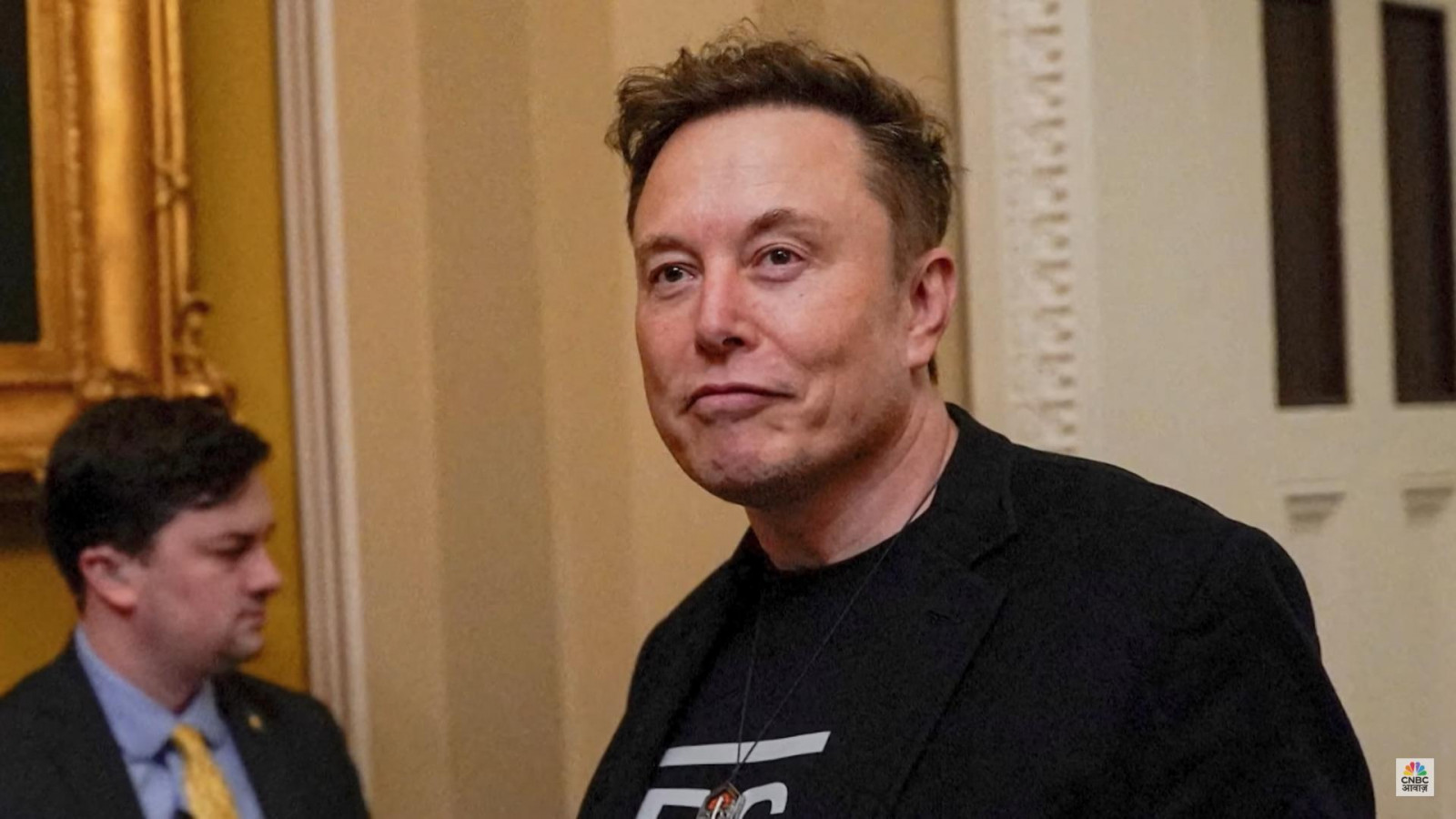
Tesla’s board has proposed a jaw-dropping, performance-based compensation package for CEO Elon Musk—one that could be worth up to $1 trillion over the next decade, if the company meets extraordinary targets.
These include boosting Tesla’s market capitalization from its current $1-1.1 trillion to a staggering $8.5-8.6 trillion, while achieving major advancements in electric vehicles (EVs), autonomous robotics, and artificial intelligence.
The Mechanics of the Pay Plan
The package consists of approximately 423 million performance-based restricted stock units, amounting to roughly 12% of Tesla’s outstanding shares. Vesting depends on reaching a series of twelve equally ambitious tranches tied to 30-day and six-month average metrics.
These include delivering 20 million EVs total, generating 10 million subscriptions for Full Self-Driving, deploying 1 million robotaxis, and manufacturing 1 million Optimus humanoid robots. The plan requires Musk to remain employed for at least 7.5 to 10 years to become fully realizable.
Context: Tesla’s Current Valuation
As of September 2025, Tesla’s market capitalization stands at approximately $1.117 trillion, placing it among the most valuable companies globally.
While impressive, the proposed incentive still relies on Tesla achieving nearly eightfold valuation growth—a feat rarely matched in corporate history.
Why It Matters
If Musk achieves all the milestones, not only could he become the planet’s first trillionaire, but his ownership stake could balloon from around 13% to as high as 25%, granting extraordinary control over Tesla’s strategic future.

This mega-package follows the nullification of a $56 billion 2018 pay plan by Delaware courts amid governance concerns. The new proposal, now put to a shareholder vote, is designed to match Musk’s broader ambition to redirect Tesla from an automaker into a full-blown AI and robotics powerhouse.
Criticism and Governance Concerns
Critics warn that such an outsized compensation plan raises serious governance risks, particularly around dilution, executive overreach, and shareholder equity. Unlike firms such as Meta, Tesla has not been aggressive with share buybacks to offset dilution, prompting questions about long-term shareholder impact.
Additionally, skeptics point to Tesla’s current challenges—like declining EV market share, delayed product refreshes, and stiff competition—as red flags against placing a trillion-dollar bet on future performance.
What’s Next?
Tesla shareholders are scheduled to vote on the proposal at the November 2025 annual meeting.
If approved and fully earned, this package would not only represent a historic corporate reward but would shape Musk’s legacy and Tesla’s next chapter in AI and robotics.
You might also want to read: Elon Musk’s Daughter Explains How She Felt After He Said She’s Dead