New Study Confirms Weight-Loss Medication Link With Sudden Vision Loss
© wirestock / Freepik
Have you noticed how many people are turning to new medicines to help lose weight?
These drugs, like Ozempic and Wegovy, have become very popular.
But what if they come with risks that affect something as important as your sight?
Recent studies have started to explore this question, and the findings might surprise you.
Keep reading to learn more about what researchers have found.
Weight-Loss Drugs and Vision Loss: What the Studies Reveal
Is the connection between weight-loss drugs and vision loss proven or still under study?
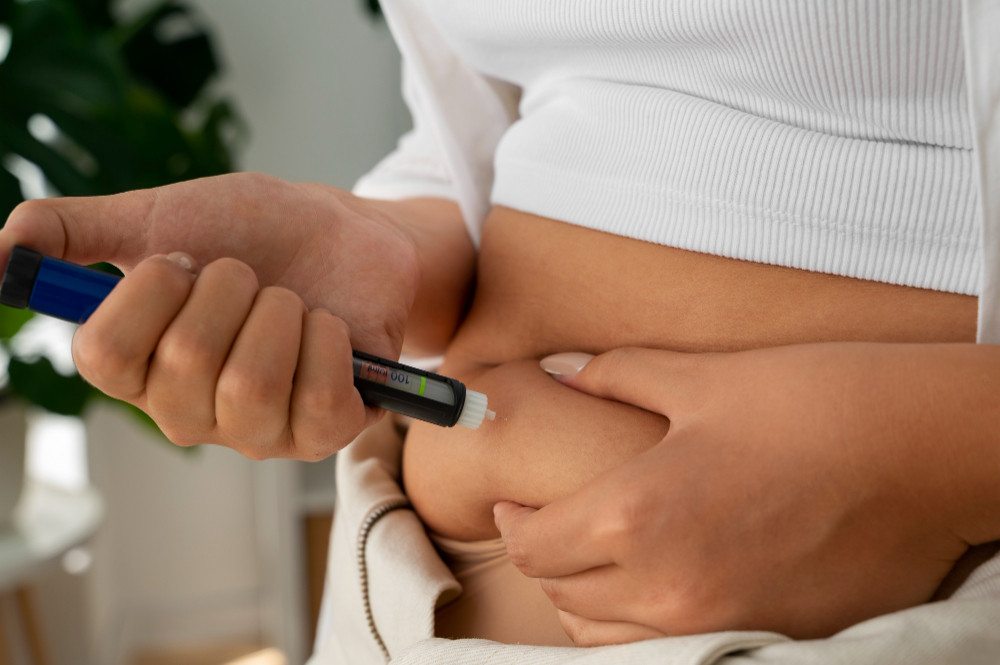
Doctors and scientists have looked at data from thousands of patients to see if these weight-loss drugs are linked to eye problems. One key study from a major eye hospital in the United States checked records from over 16,000 people.
It focused on those with diabetes or who were overweight. The results showed that people taking semaglutide—the main ingredient in drugs like Ozempic and Wegovy—had a higher chance of getting a condition called NAION.
This stands for non-arteritic anterior ischemic optic neuropathy. It can lead to sudden loss of vision in one eye, often without pain.
In the study, for people with diabetes, the risk was about four times higher for people with diabetes compared to those on other diabetes medicines. For overweight people, the risk was even higher, around seven times higher than those using other weight-loss options.
The problem often showed up within the first year of starting the drug. Another recent pair of studies looked at even larger groups, up to 185,000 people with diabetes.
They found a small increase in NAION cases among users of these drugs, with about 0.04% affected versus 0.02% in others. These studies also noted a slight rise in another eye issue called diabetic retinopathy, which involves damage to blood vessels in the eyes.
Health agencies have taken note. In Europe, the medicines watchdog reviewed the data and decided to add NAION as a very rare side effect on the labels for these drugs. They estimate it happens in up to 1 in 10,000 users.
How This Risk Works
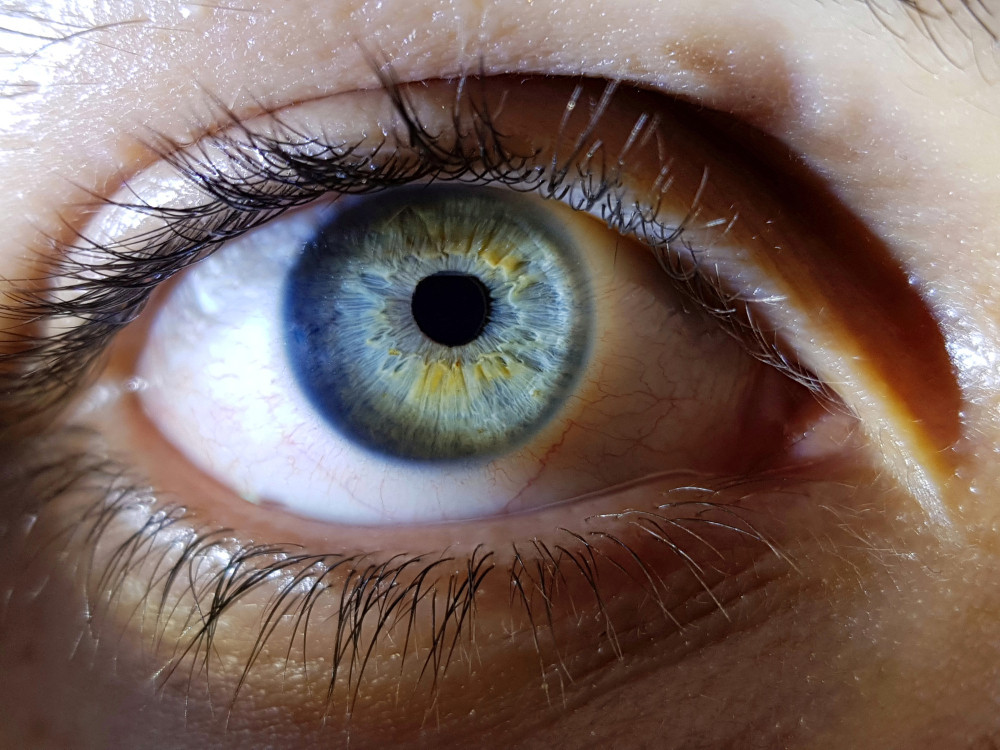
NAION happens when blood flow to the optic nerve gets blocked. This nerve carries signals from your eye to your brain, so a blockage can cause quick vision loss. It is more common in people over 50, those with high blood pressure, sleep apnea, or diabetes.
The exact reason why weight-loss drugs might raise this risk is not fully clear yet. Some experts think it could be due to how fast these drugs lower blood sugar or change blood flow in the body. Rapid changes might stress the tiny blood vessels in the eyes.
But not all news is bad. One of the new studies found that people on these drugs had fewer severe eye problems overall and needed less treatment for eye issues.
This suggests the drugs might help protect the eyes in some ways, even if they add a small risk for NAION. Researchers stress that NAION is rare, and most users do not face this issue. Still, the link is strong enough that doctors now watch for it.
Steps to Stay Safe
If you are taking or thinking about starting one of these weight-loss drugs, talk to your doctor about your eye health. They can check for risk factors like crowded optic nerves or other conditions that might make NAION more likely.
If you notice sudden vision changes, such as blurriness or loss in one eye, seek help right away. Stopping the drug might be needed if NAION is suspected.
Ongoing trials are testing these drugs over longer periods to learn more. For now, the benefits for weight loss and diabetes control are clear for many, but knowing the risks helps everyone make better choices. Always weigh the pros and cons with a health expert.
In summary, while these drugs help many lose weight, the possible tie to vision loss is something to consider. Stay informed and monitor your health to enjoy the benefits safely.
You might also want to read: Scientists Successfully Regenerate Retinas & Restore Sight in Mice