These 3 Cities Could Be Swallowed if ‘Doomsday Glacier’ Melts
© Pixabay / Pexels
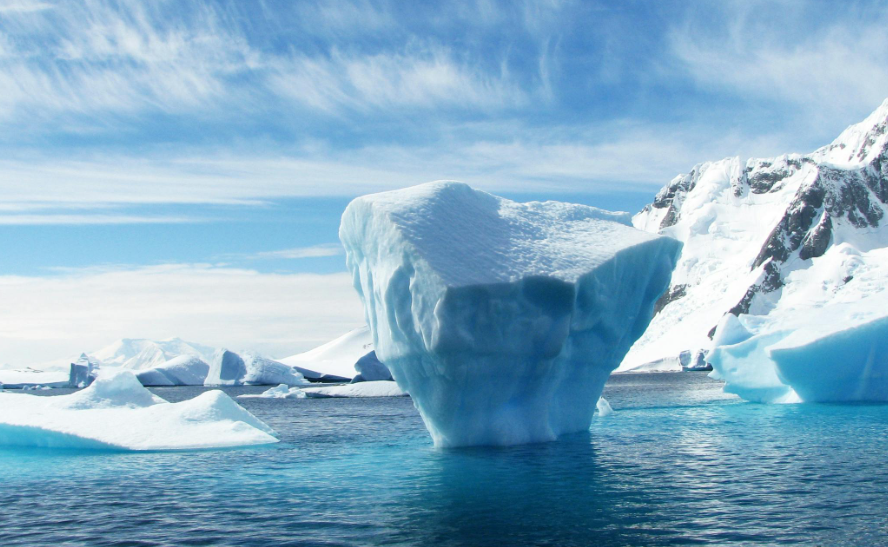
The Thwaites Glacier, chillingly dubbed the “Doomsday Glacier”, is back in the spotlight, and for terrifying reasons.
New research shows that if this Antarctic giant collapses, it could raise global sea levels by up to 10 feet. That’s not just a statistic — that’s entire cities vanishing underwater.
Which Cities Are Most at Risk?
According to experts, London, New York, and Bangkok are three major urban centers that could be severely impacted — or even submerged — if the glacier melts. These cultural and economic capitals draw millions of tourists a year, but they sit dangerously close to sea level.
Why Thwaites Is So Critical
Often described as a “cork” holding back the larger Antarctic ice sheet, Thwaites plays a crucial role in regulating sea level rise. If it collapses, it won’t just be about the water it holds — it could trigger the breakdown of surrounding glaciers too, compounding the effect.
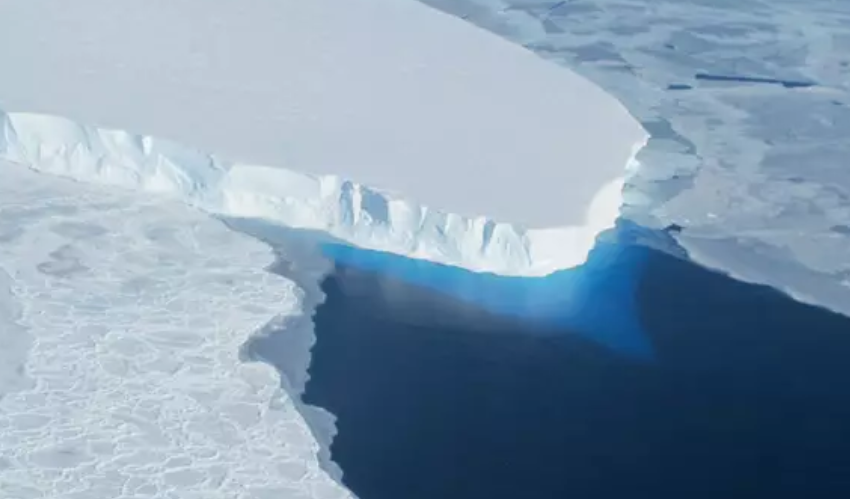
The glacier contains enough water to increase sea levels by more than 2 feet on its own, but scientists warn the domino effect could push that number closer to 10 feet.
What’s Accelerating the Collapse?
Recent findings from the International Thwaites Glacier Collaboration (ITGC) suggest the glacier is melting much faster than previously believed. The glacier contains several “hidden lakes” beneath its surface, and one such lake was found to have drained rapidly, turbo-charging the glacier’s retreat.
Lead author Professor Noel Gourmelen described it as a key moment:
“The drainage in effect momentarily turbo-charged Thwaites’ ocean-driven retreat.”
In short, the process is happening faster and on a much larger scale than anticipated.
A Warming World, A Shrinking Timeline
2025 has already proven to be hotter than expected in the Southern Hemisphere, which scientists believe has added fuel to the fire. Dr. Alastair Graham of the University of South Florida noted:
“This year is really different. It’s very difficult to recover from this in one season. The game has changed.”
That “game” refers to how quickly the glacier could collapse, with some estimates suggesting it could happen within the next 200 years.
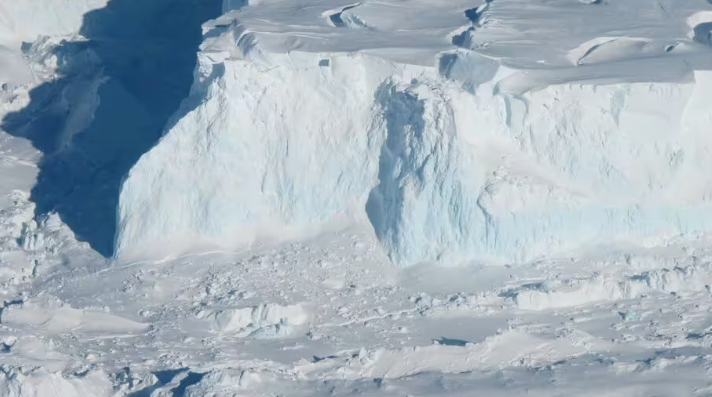
While 200 years might sound like a distant worry, scientists agree that action on climate change must be immediate to prevent scenarios like this from becoming reality. Because when something called the “Doomsday Glacier” starts melting faster than expected… we should probably pay attention.
You might also want to read: Donald Trump’s ‘Doomsday Plane’ Revealed With Unplanned Flight Amid Frightening Alert