DNA From a Third Parent Helps Prevent Inherited Diseases in Babies
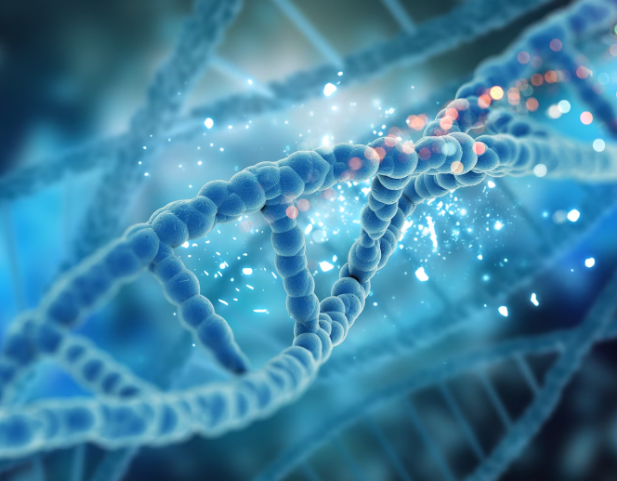
Scientists have developed a groundbreaking method that could make this a reality for families at risk of passing on certain genetic conditions.
This method, called the three-parent DNA technique, is helping families have healthy babies by using a small amount of DNA from a third person.
Let’s explore how this works and why it’s making waves in the medical world.
What Is the Three-Parent DNA Technique?
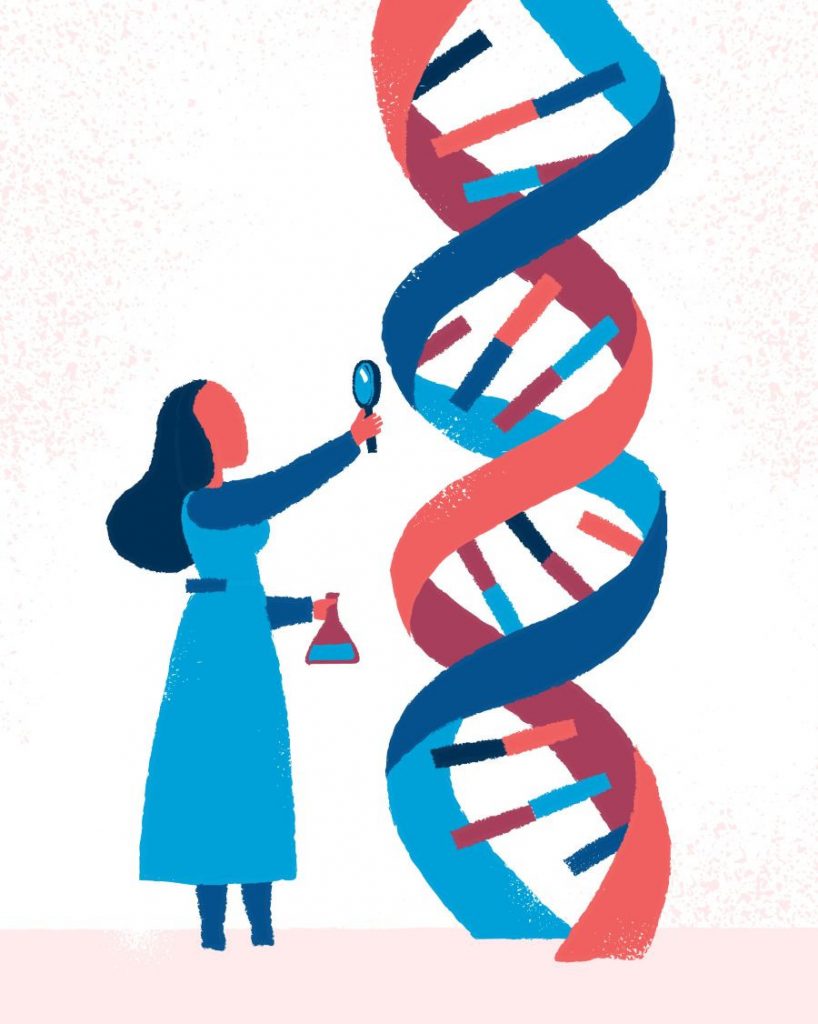
The three-parent DNA technique is a special process used during in vitro fertilization (IVF). It helps prevent mitochondrial diseases, which are caused by faulty mitochondrial DNA passed from a mother to her child.
Mitochondria are tiny structures in our cells that produce energy, and when they don’t work properly, it can lead to serious health problems like muscle weakness, heart issues, or even early death.
In this technique, scientists take the healthy nuclear DNA from the parents’ fertilized egg. This DNA controls most traits, like eye color and height.
They then place it into a donor egg that has healthy mitochondrial DNA but has had its nuclear DNA removed.
The result is an embryo with the parents’ main genetic material and the donor’s healthy mitochondrial DNA. This creates a baby with DNA from three people, but only a tiny fraction—about 0.1%—comes from the donor.
How Does It Help Families?

This method is a lifeline for families with a history of mitochondrial diseases. These conditions can cause severe pain and disability, and some children don’t survive past infancy.
By replacing faulty mitochondrial DNA, the three-parent DNA technique significantly reduces the risk of these diseases. A recent study in the UK showed that seven women at high risk of passing on mitochondrial diseases used this method to have eight healthy babies.
These children, now between six months and two years old, show no signs of the diseases their mothers carried.
The technique is not just about preventing illness; it’s about giving families hope. Parents who have lost children to these disorders or who fear passing them on can now have a chance to raise healthy, genetically related children.
However, the process is still new, and scientists are closely monitoring these children to ensure the technique is safe in the long term.
Challenges and Future Steps
While the three-parent DNA technique offers hope, it also raises questions. Some worry it could lead to “designer babies,” where parents choose specific traits for their children.
Scientists argue that this method is different from gene editing because it only replaces mitochondrial DNA to prevent serious diseases, not to change traits like appearance.
Still, ethical debates continue, and the procedure is tightly regulated in countries like the UK, where it’s legal. In the US, current rules prevent its use for creating babies, though it has been done in places like Mexico.
The technique also has limits. It’s not a cure for mitochondrial diseases, and there’s a small chance some faulty DNA could still be passed on. More research is needed to confirm its safety and effectiveness over time. For now, families have other options, like adoption or using donor eggs, but these may not be right for everyone.
The three-parent DNA technique is a promising step in medical science. It offers a way to prevent heartbreaking diseases while allowing parents to have children who share their genetic traits. As research continues, this method could become a standard tool to help families build healthier futures.
You might also want to read: 6 Traits You Inherit Only from Your Father