TikTok Abuzz with Predictions the World Ends September 23-24
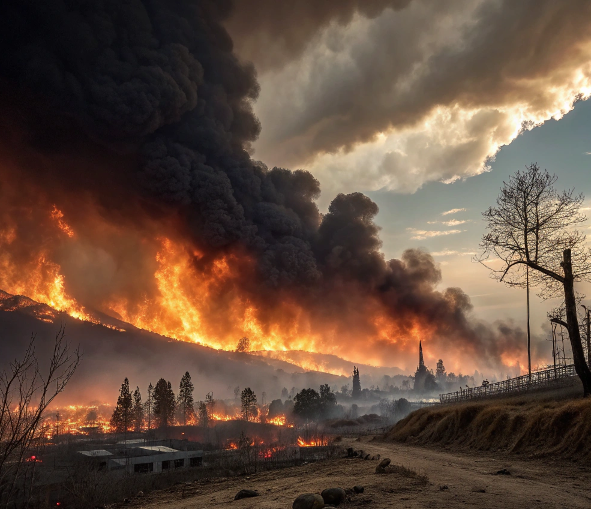
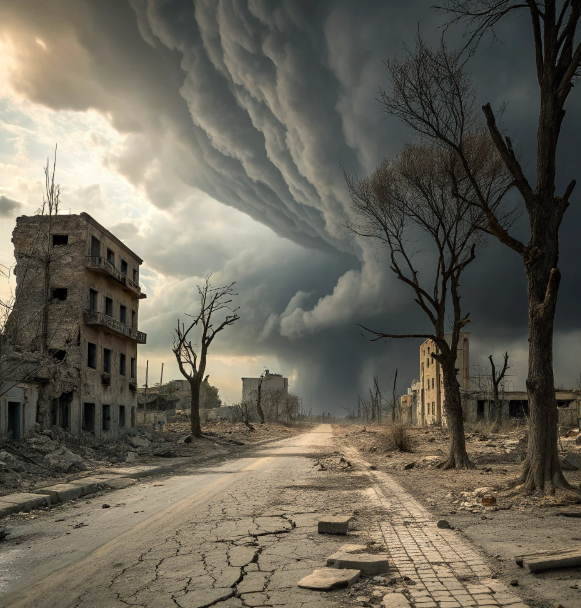
© Generated by Recraft
A wave of predictions has swept through TikTok and social media this week, as Christian evangelicals — and many others — share that the Rapture is set to happen on September 23-24, 2025. The claim comes from South African pastor Joshua Mhlakela, who says he received a vision from Jesus revealing those dates. Many online users are responding by preparing in various ways: some are quitting jobs, selling personal items, buying Bibles to leave behind for “left behind” loved ones, and documenting routines to prep for the event.
Hashtags like #RaptureTok have exploded in popularity. There are already hundreds of thousands of videos tagged, covering everything from earnest testimonies and spiritual warnings to satire and disbelief. Some users are using humor to cope; others appear deeply concerned.
Believers, Skeptics & What They’re Doing
For Believers
- Some people say they’re leaving their jobs or giving away possessions, believing they won’t need them.
- Others are making “eternity kits” or stocking up on scriptures and leaving Bibles in public places. Some worry about what will happen to loved ones left behind.
- Many refer to the timing’s overlap with the Jewish holiday Rosh Hashanah, which holds significance for some prophetic interpretations.
For Skeptics / Observers
- A lot of amusement and satire: people joking about what to do if you’re left behind, or offering tongue-in-cheek tips.
- Religious scholars and critics point out that historically, predictions of the Rapture have been made many times before—and always failed. The idea that anyone knows the date is controversial in many Christian traditions, which caution that no one knows the day or hour.
Why It Matters Now
- Times of Anxiety: The predictions are arising when many people feel global fragility—because of geopolitical tensions, climate crises, and pandemics. Predictive or apocalyptic narratives often gain traction during such periods.
- Social Media Amplification: Unlike earlier end-times predictions, platforms like TikTok allow rapid spread—video, memes, community participation—which fuels both fear and critique. The blend of humor + seriousness is notable.
- Religious Identity & Culture: For many believers, there’s genuine faith in prophetic messages. But this also forces conversations or conflicts around doctrine (what one believes is scripturally valid) versus sensationalism or fear-mongering.
What to Watch & What’s Still Unclear
- Whether any serious groups or church bodies will put official backing behind Mhlakela’s dates. As of now, the predictions are largely internet-driven.
- How large the actual impact becomes: Will many people truly make life changes (quit jobs, give away items), or is most of it symbolic or performative?
- How this prophecy will be handled after the dates pass—whether believers will revise interpretations, set new dates, or move on. Historically, many predictions shift when time passes without the expected event.
- The psychological effects on people who believe deeply, especially if disappointment follows.
You might also want to read: Tulsi Gabbard Says Aliens Could Be Real