Trump Adds Partisan Plaques to White House ‘Walk of Fame’
© GarrettHaake / X
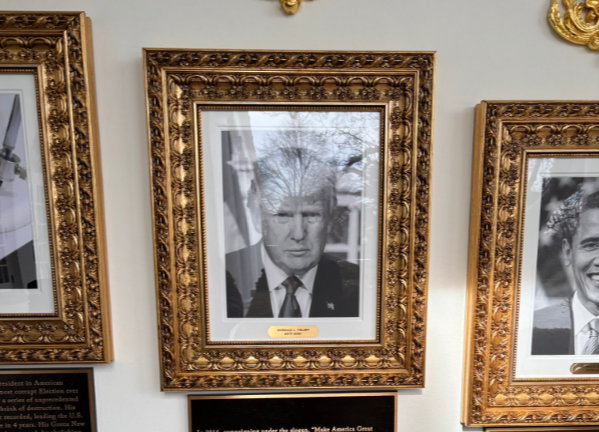
The White House under President Donald Trump has introduced new bronze plaques along what his administration calls the “Presidential Walk of Fame,” displaying opinionated and politically charged descriptions of past U.S. presidents — particularly Joe Biden and Barack Obama. The controversial additions reflect Trump’s personal assessments and have drawn criticism for mixing partisan commentary with what is typically a neutral space of historical recognition.
Trump’s plaques sit beneath the portraits of former presidents lining the West Wing Colonnade of the White House, a traditionally symbolic area meant to honour leaders across political lines. Instead, the plaques offer pointed judgments about their records and legacies.
What the New Plaques Say
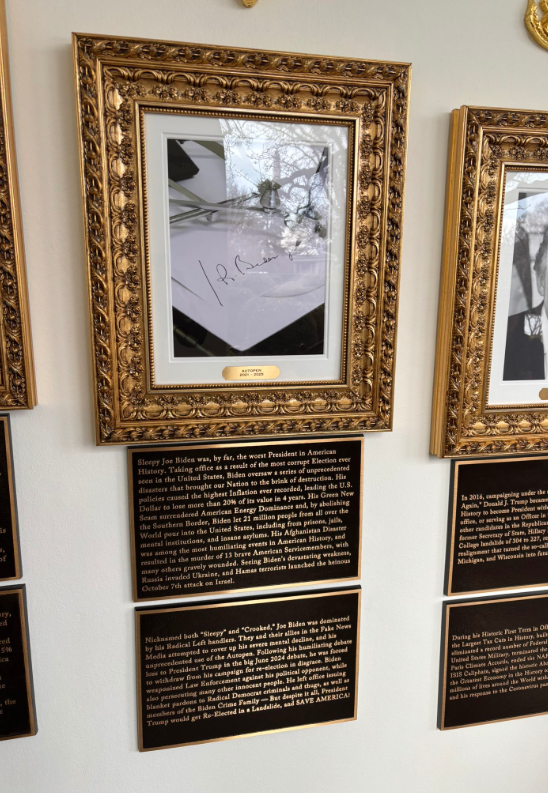
Under Joe Biden’s section — where Trump chose not to display a traditional portrait and instead used an autopen signature — the plaque describes him as “by far the worst President in American history“. It repeats claims about election corruption and policy failures that are widely contested and lack factual grounding.
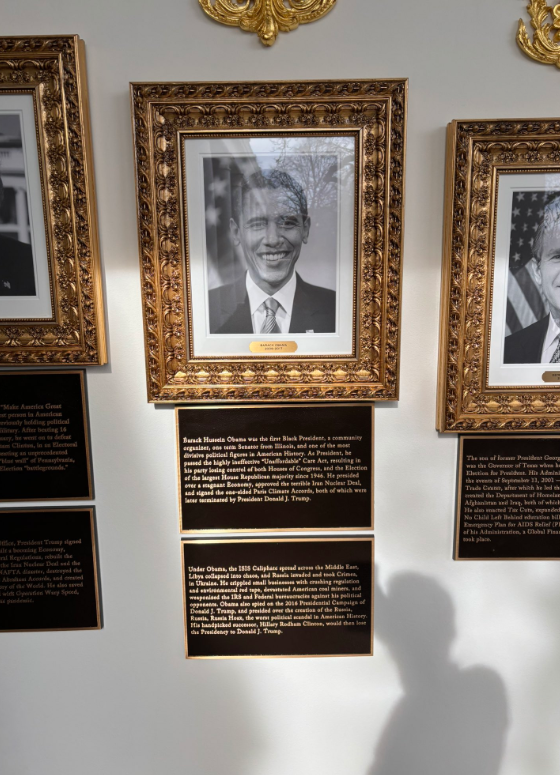
Barack Obama’s plaque refers to him as “one of the most divisive political figures in American history,” aims parts of his domestic policy, such as the Affordable Care Act — mocked as the “Unaffordable Care Act” — and criticises foreign policy decisions, including the Iran nuclear deal and the Paris climate agreement.
Descriptions for other presidents in the display mix praise, partisan language, and subjective narratives reflecting Trump’s viewpoints. The plaques combine personal terms with interpretations of policy outcomes, and some include statements that are disputed or have been debunked by fact-checkers.
A Break With Tradition
Historians and critics note that this approach marks a departure from the nonpartisan way presidential history is usually presented in official spaces. The White House has long served as a symbol of national unity and institutional continuity, with portraits and exhibits intended to acknowledge service rather than score political points.
White House press secretary Karoline Leavitt defended the plaques, saying they reflect the administration’s historical perspective and that many of the texts were written by Trump himself. Supporters argue that the display clarifies Trump’s interpretation of U.S. leadership and legacy.
Reactions and Controversy
Reactions have been mixed — and in some quarters sharply critical. Some commentators argue the plaques represent a personal, partisan framing of history rather than a balanced assessment of presidential records. Others see them as Trump’s signature style of political theatre at the highest level of government.
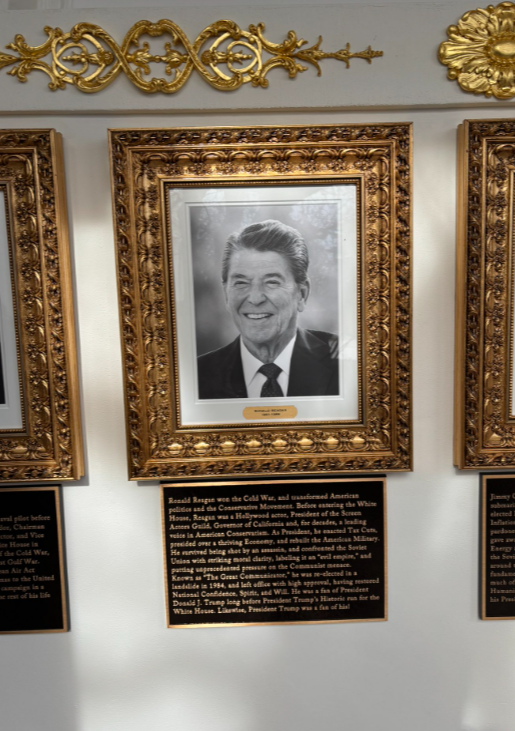
Critics say the insertion of charged rhetoric near presidential portraits, especially within the White House itself, risks undermining norms of respect for officeholders and could set a precedent for future administrations to reshape historical interpretation based on current politics.
Supporters of the plaques point out that the President has broad latitude to curate White House spaces and that the plaques simply make explicit opinions many of his supporters share about recent administrations.
Why This Matters
The plaques highlight ongoing cultural and political divisions in the United States and illustrate how current political figures are choosing to frame history publicly. By turning part of the White House into a space that echoes Trump’s personal political narratives, the administration is testing longstanding norms about how the nation’s leaders and their legacies should be honoured — or critiqued — in symbolic places of power.
You might also want to read: Can Trump Really Break Up the EU?