Trump Administration Suspends Immigrant Visas for 75 Countries
© United States Senate - Office of Dan Sullivan
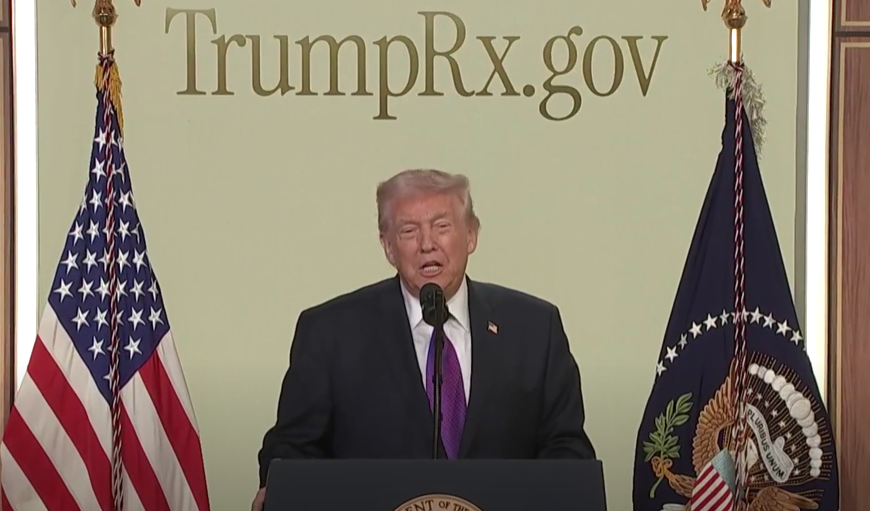
The Trump administration has announced a major change to U.S. immigration policy by suspending immigrant visa processing for citizens of 75 countries, effective January 21, 2026.
The move, announced by the U.S. State Department, is being framed as part of an effort to crack down on applicants who may rely on government assistance — a step critics call one of the most sweeping restrictions on legal immigration in years.
Visa Freeze on 75 Countries: What Trump Just Announced
According to official statements, the suspension applies specifically to immigrant visas — those that lead to permanent residency and eventual citizenship — and aims to address what the administration describes as “abuse” of America’s immigration system by people likely to become “public charges,” or dependent on public benefits.
Who’s Affected and How It Works
The visa pause will begin on January 21, 2026, and there is currently no announced end date, meaning it could remain in place indefinitely while U.S. officials reassess screening procedures and eligibility requirements.
The list of affected nations covers countries across Africa, Asia, the Middle East, Latin America, the Caribbean, and Eastern Europe — significantly expanding on past travel and entry restrictions. Countries included range from Afghanistan, Brazil, Iran, Nigeria, Russia, Somalia, Syria, and Yemen to a host of smaller nations and island states.
Importantly, non-immigrant visas — such as tourist (B-1/B-2), business, and many work or student visas (e.g., H-1B, F-1) — are not suspended under this policy, which means people from the affected countries can still travel to the U.S. for short stays, work, or study if they meet existing criteria.
The State Department also noted exceptions for dual nationals who hold passports from nations not on the list; these individuals can still apply using their other passport.
Administration’s Justification: “Public Charge” Concerns
Officials have stressed that this decision stems from a longstanding legal authority to deny visas to applicants deemed likely to rely on public benefits such as welfare, Medicaid, or other social assistance programs. The administration argues that these policies are necessary to protect American taxpayers and preserve public resources.
State Department officials said consular officers will be instructed to exercise stricter scrutiny over applicants’ financial stability, health status, education, family situation, and any history of public benefit use. The policy also encourages more rigorous interviews, including assessing English proficiency.
Supporters of the policy say it aligns with broader enforcement priorities highlighted by President Trump since his return to office, including stricter criteria for entry and tougher deportation and visa revocation measures.
Critics Warn of Far-Reaching Consequences
Immigration advocates, legal experts, and civil rights groups have reacted strongly against the visa suspension, saying it will have far-reaching humanitarian and economic effects. Critics argue the policy could disproportionately impact families seeking to reunite, refugees rebuilding lives, and workers who contribute to U.S. industries. They also warn that limiting pathways to legal immigration could have ripple effects in global diplomacy and labor markets.
Some experts also note that basing eligibility on potential future benefit use could deter immigrants from seeking services they are legally entitled to, even in times of need. That, they argue, may create public health and social issues rather than solve them.
Broader Context: Part of a Continuing Crackdown
This latest visa suspension adds to a series of aggressive immigration policies under Trump, including expanded travel bans, tightened asylum processes, and increased visa revocations. Since Trump returned to office, the State Department reported revoking more than 100,000 visas, another record-high shift in immigration enforcement.
Analysts say this is part of a broader strategy to curb both legal and illegal immigration and shape the U.S. national character and labor force ahead of upcoming global events and demographic shifts.
What’s Next?
The suspension is set to take effect in just days, and its full impact won’t be clear until implementation begins. Lawmakers on both sides of the aisle are expected to debate the policy’s implications, and legal challenges may arise from advocacy organizations arguing that the suspension exceeds executive authority or contradicts international commitments.
For now, millions of would-be immigrants from around the world are awaiting clarity — and many are racing to complete visa applications before the January 21 deadline.
You might also want to read: Donald Trump Mocks Joe Biden With New Impression