Trump Calls Intel Critics “Stupid People” Amid 10% Stake Backlash
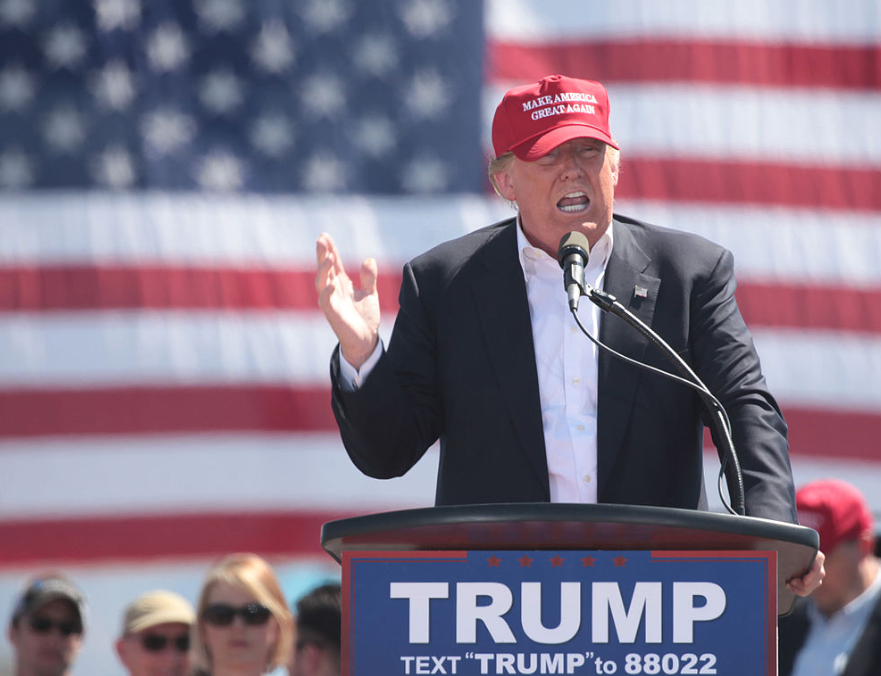
© CC BY-SA 3.0
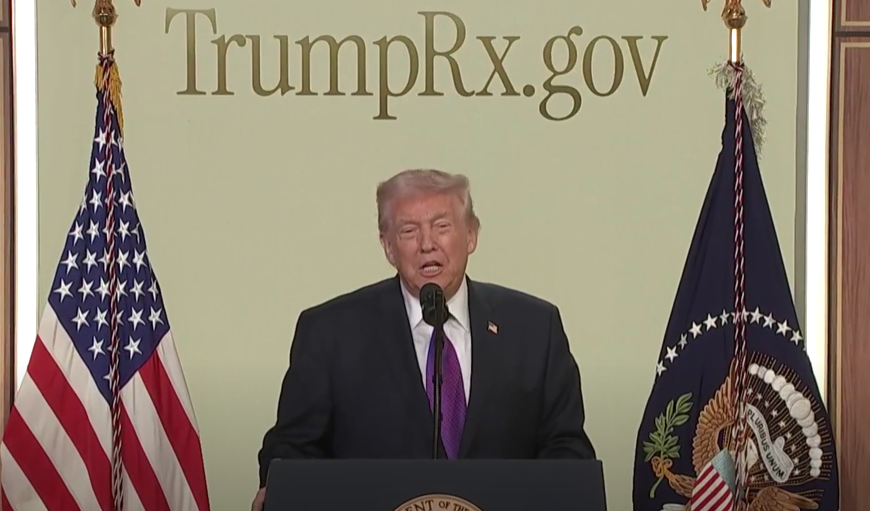
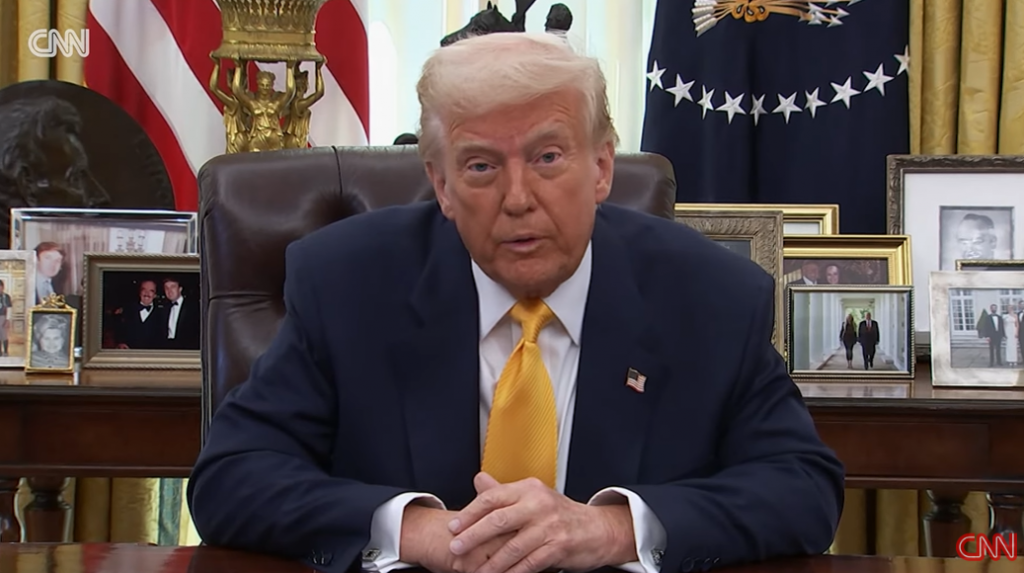
President Trump took to Truth Social to deliver a scathing response to critics of the U.S. government’s newly announced 10% stake in Intel. “I PAID ZERO FOR INTEL. IT IS WORTH APPROXIMATELY 11 BILLION DOLLARS. All goes to the USA,” he wrote.
He followed that with a sharp jab: “Why are ‘stupid’ people unhappy with that?” Then he added confidently, “I will make deals like that for our country all day long.”
The Intel Deal—What’s at Stake
The government’s investment is not an infusion of new funds but a conversion of existing grants under the CHIPS and Science Act and the Secure Enclave program into equity.

Valued at roughly $8.9 billion for a 9.9% stake, the deal immediately boosted Intel’s stock price and repositioned the federal government as a key stakeholder in America’s semiconductor future.
A Policy Shift, or State Capitalism?
Trump’s supporters framed the transaction as a savvy move to revitalize domestic chip manufacturing, reduce reliance on foreign technology, and create jobs.
Critics, however, decried it as a slide toward state capitalism. Echoes of socialism—long rejected by many conservatives—echoed in headlines, especially after California Governor Gavin Newsom quipped about the “socialist republic” moment.
Intel Leaders Sound Alarms
Intel’s leadership expressed concerns privately, warning that government ownership might harm the company’s international reputation, complicate business relationships, and scare off foreign allies.
An SEC filing highlighted risks like diluted shareholder value, international backlash, and legal challenges if Intel fails to meet domestic manufacturing commitments.
Is It a Model or a Warning?
In announcing the deal, Trump suggested it could be the first of many—hinting at the development of a U.S. sovereign wealth fund to steer domestic investment in critical industries.
Proponents say this could transform America’s industrial base. Critics fear politicized corporate decision-making and the erosion of free-market principles.
You might also want to read: Donald Trump’s New White House Portrait Gets Roasted