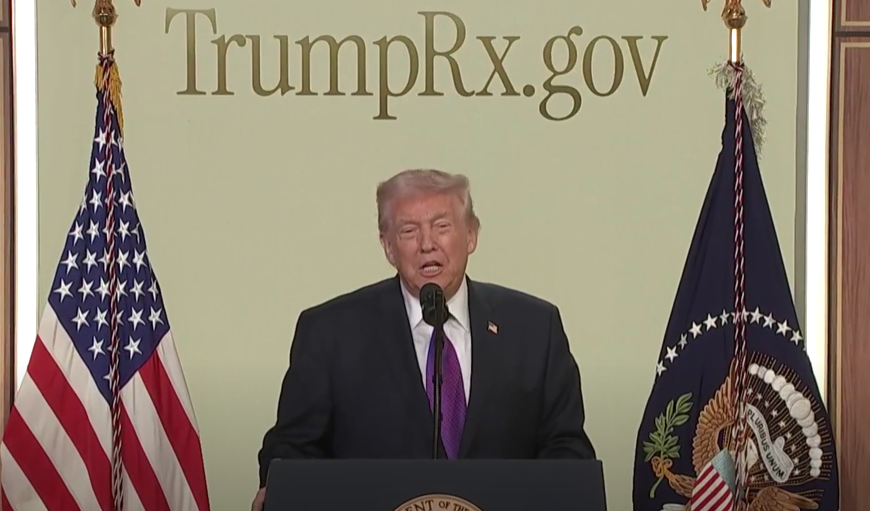
Trump Calls Ozempic the “Fat Pill”, Questions Its Effectiveness
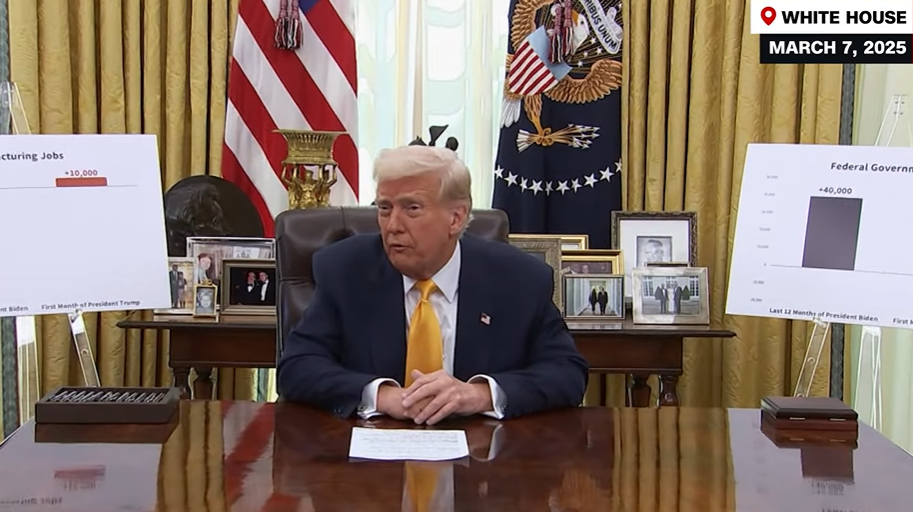
© CNN
At a White House press briefing held on September 23, 2025, President Donald Trump criticized the popular drug Ozempic, referring to it as the “fat pill” and casting doubt on its results. He said that while some people claim it works, in those he’s observed, “it hasn’t worked so well.” Trump went as far as to challenge the visible effects: “They say to me, ‘I’ve lost some weight,’ — I say, ‘you don’t look it to me.’”
The remarks came up during a discussion about high drug costs in the U.S., when Trump shifted the topic to weight-loss drugs and their public perception. He also contrasted drug prices across countries, highlighting how some patients reportedly pay only $88 abroad for the same medication that costs over $1,300 in America. These comments have drawn sharp criticism from health experts and social media users alike.
What Ozempic Is — and Isn’t
Ozempic is a glucose-lowering treatment approved for type 2 diabetes, categorized under GLP-1 receptor agonists. Though many people also use it for weight loss, its primary purpose is not to act as a fat-burning drug. The drug works by regulating blood sugar levels, reducing appetite, and slowing digestion — all effects that can lead to weight loss, but indirectly and with variation among individuals.
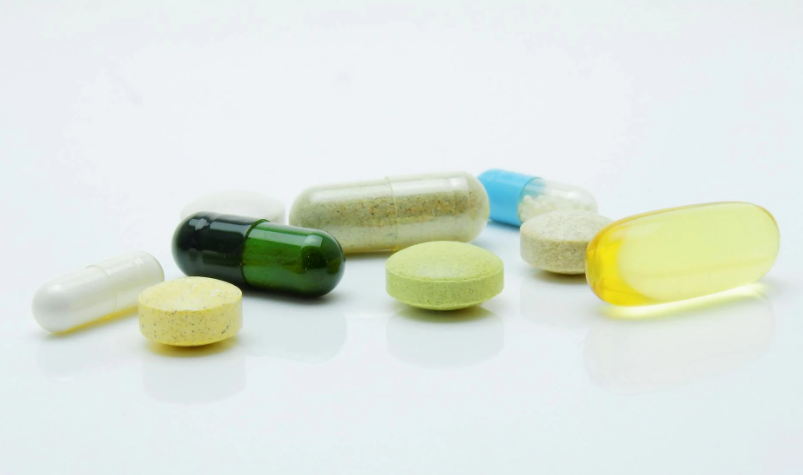
Other medications in the same drug class—such as Wegovy and Mounjaro—are more explicitly marketed for weight management. Experts point out that calling Ozempic a “fat pill” misrepresents how it functions and oversimplifies medical treatment.
Medical Experts Weigh In
Doctors and pharmacologists have responded quickly to Trump’s characterization. Several have criticized the use of the term “fat pill” as medically inaccurate and potentially misleading. They argue that weight outcomes vary based on many factors: diet, metabolism, genetics, and how the drug is dosed and combined with lifestyle changes.
Some health professionals warn that such casual statements from a public figure could discourage people from seeking accurate medical advice. Pregnancy, comorbidities, and existing medications all play a role in how effective or safe GLP-1 drugs will be for individuals.
Broader Implications & Political Timing
Trump’s remarks clash with his own administration’s proposed policies. The plan includes pilot programs to expand coverage of GLP-1 drugs under Medicare and Medicaid for weight management, which suggests official acceptance of these drugs’ role in public health. His criticism of Ozempic—or any weight loss drug—may create cognitive dissonance with his own healthcare agenda.

The political context also cannot be ignored. Trump’s skepticism toward pharmaceutical practices and drug pricing has been a recurring theme in his platform. By singling out Ozempic, he is tapping into broader populist rhetoric against big pharma while also signaling that he expects accountability in how expensive medications are marketed and priced.
Conclusion
Donald Trump’s public questioning of Ozempic — calling it a “fat pill” and doubting its effectiveness — has ignited backlash from medical professionals and stirred discussion about how weight-loss drugs are talked about in public discourse. While his skepticism may resonate with audiences frustrated by high drug costs and overpromising marketing, experts caution that such simplistic labels risk misleading people about complex medical treatments.
More than just a prick at a trending drug, Trump’s comments highlight the tension between politics, health, and how much influence public statements carry in shaping perceptions of medical science.
You might also want to read: Trump Demands Arrests Over ‘Sabotage’ at UN After Escalator