Trump Delivers Bizarre Answer When Asked About Renee Good
© FOX 29 Philadelphia / YouTube
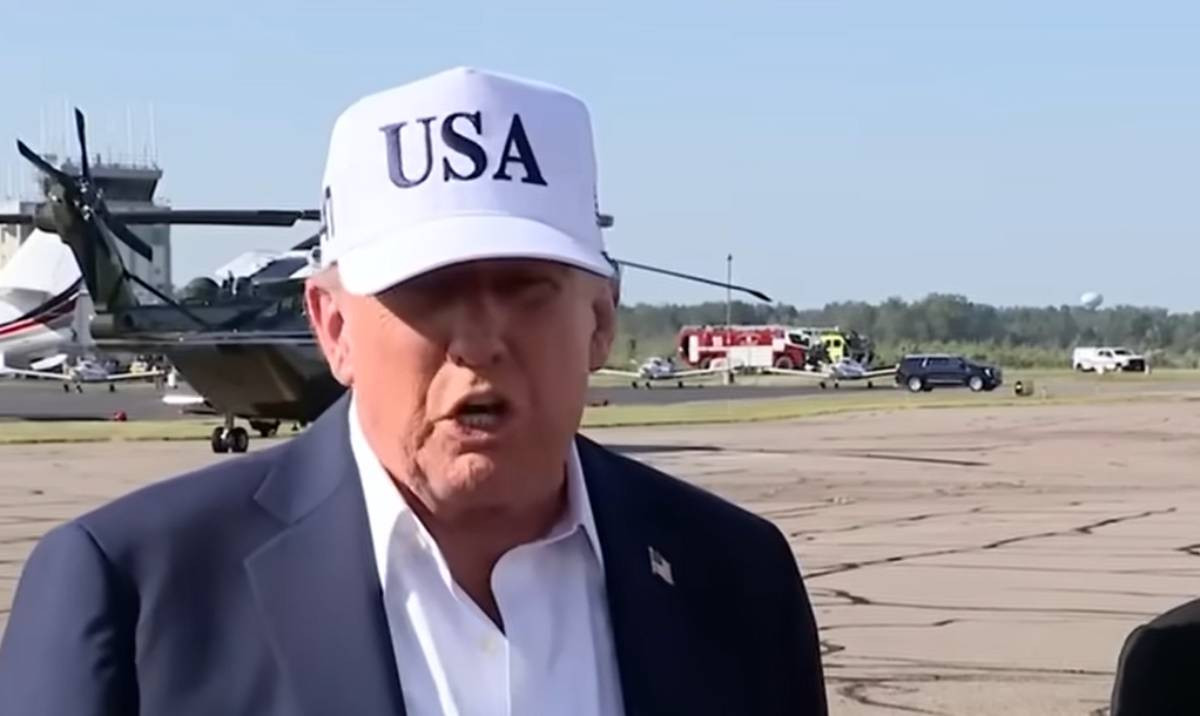
President Donald Trump sparked fresh controversy after giving a confusing and highly defensive response when asked whether deadly force was warranted in the ICE shooting that killed Renee Nicole Good in Minneapolis. The exchange, which took place as Trump spoke with reporters aboard Air Force One, quickly drew national attention and ignited new debate online and in political circles.
The question was simple: did the use of deadly force in Good’s case — in which an ICE agent shot and killed the 37-year-old mother — seem justified? Instead of clarifying that point, Trump delivered a response that many observers described as a word salad and then shifted into defending the officer involved.
Trump’s Main Points: Respect Law Enforcement, Blame the Victim
In his remarks, Trump insisted that law enforcement — including ICE agents — should be shown “respect” and repeatedly emphasized that Good was “very, very disrespectful.” He suggested that her behavior justified the officer’s actions and rejected the notion that the shooting was unjustified.
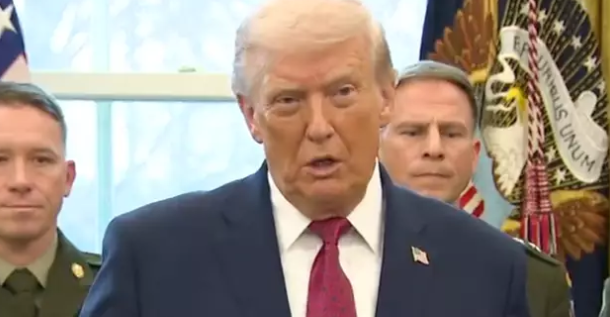
Trump stated that the woman and her companion (whom he incorrectly referred to as her “friend”) had been “highly disrespectful of law enforcement.” He said that no one should treat officers that way because “you can’t do that with law enforcement,” whether police, ICE, or Border Patrol.
These remarks echoed earlier comments from administration officials who framed the shooting as lawful self-defense and portrayed Good as a threat. Critics have pointed out that publicly available footage does not support the claim that Good posed a lethal danger or “ran over” the agent, and that multiple local witnesses disputed early federal accounts.
Bizarre Delivery: More Confusion Than Clarity
Observers, including journalists and political commentators, noted that Trump’s answer didn’t directly address the core question of whether using deadly force was necessary — leaving people baffled about the administration’s stance on accountability. One news outlet described his response as “humiliating word salad.”
Instead of focusing on the incident itself, Trump pivoted to broader criticisms of border policy and claimed his administration “has the best crime stats on record” despite “criminals” coming across the border. Critics say this type of response sidesteps accountability and reinforces a political narrative at the expense of truth.
Public Reaction: Backlash and Polarization
Unsurprisingly, reactions to Trump’s comments have been sharp and polarized. Across social media and comment threads, many expressed disbelief or outrage that the president seemed to justify lethal force based on perceived “disrespect” toward law enforcement. Some commentators went so far as to argue that equating disrespect with grounds for violence was deeply troubling.
At the same time, some conservative commentators and politicians echoed Trump’s defense of the agent and criticized media coverage of the incident, suggesting law enforcement is too often second-guessed. However, even within conservative circles, some voices — including well-known figures — urged a more empathetic focus, calling Good’s death a “tragedy” that deserves sober attention rather than political spin.
The Broader Context of the Good Shooting
The fatal encounter has been one of the most contentious law-enforcement incidents in recent U.S. history. Footage from the scene showed Good behind the wheel of her vehicle during a federal ICE operation in south Minneapolis before she was shot. Local officials and family members have pushed back against early claims from federal authorities that she had attempted harm, arguing that she posed no clear threat.
This case comes amid heightened tensions over immigration enforcement and police use of force, with protests, political fallout, and national debate continuing to unfold. The polarized responses — from Trump’s defense of the officer to calls for accountability and justice for Good — reflect broader divisions in American politics and public opinion.
What This Means Going Forward
Whether Trump’s remarks will shape long-term public understanding of this case is still unclear. But the president’s refusal to directly answer the question about the necessity of deadly force, instead doubling down on law-and-order rhetoric and blaming the victim, has only intensified scrutiny and deepened debate. With legal investigations ongoing and public protests planned across the country, the controversy surrounding the shooting and the administration’s response is far from over.
You might also want to read: Trump Under Fire for Blaming Minneapolis ICE Shooting Victim