Trump Replaces MLK Day & Juneteenth With His Birthday
© United States Senate - Office of Dan Sullivan
The National Park Service (NPS) recently announced that the 2026 roster of “fee-free” days for U.S. residents will no longer include Martin Luther King Jr. Day (MLK Day) or Juneteenth — both historic holidays deeply tied to civil rights and the Black American experience. Instead, the list now includes Donald Trump’s birthday (June 14), which coincides with Flag Day.
What’s Changed — and What’s the Fuss
This week’s update also comes alongside a broader pricing plan: non-U.S. residents will face higher fees at many parks, while free access remains reserved for U.S. citizens and permanent residents.
What the New 2026 Free-Entry Trump Calendar Looks Like
Under the revised plan, the 2026 “resident-only patriotic fee-free days” include: Presidents’ Day; Memorial Day; Flag Day (June 14 — Trump’s birthday); Independence Day weekend; the 110th anniversary of the NPS; Constitution Day; Theodore Roosevelt’s birthday; and Veterans Day.
By contrast, MLK Day and Juneteenth — often used for volunteer-driven community events and park service activities — have been removed.
Why Many People Are Upset
Critics argue that removing MLK Day and Juneteenth — both legally recognized federal holidays commemorating civil rights and emancipation — sends a message that those histories matter less.
For many communities, those holidays offered more than just fee-free entry: they were moments for commemoration, education, volunteering, and collective remembrance. With those days gone — replaced by a president’s birthday — the shift feels deeply symbolic and exclusionary.
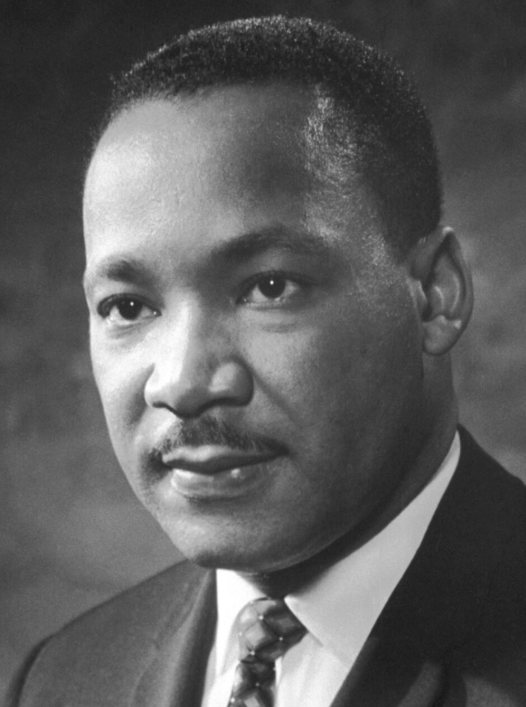
A spokesperson for a national-parks advocacy group said the removal of MLK Day “is particularly concerning,” especially because the holiday had become a popular day for community clean-ups and volunteer projects at parks.
What This Change Could Mean for Public Spaces
On paper, free days are about access. But in practice, they shape who feels welcome — and when. For decades, MLK Day and Juneteenth provided accessible entry points into national parks for communities that might otherwise face economic or cultural barriers to visiting.
By removing these days and adding a president’s birthday in their place, the NPS is reshaping both the calendar and the story of who those parks are for. It’s a shift from commemorating civil-rights history to celebrating a political personality — with real implications for representation, memory, and inclusion.
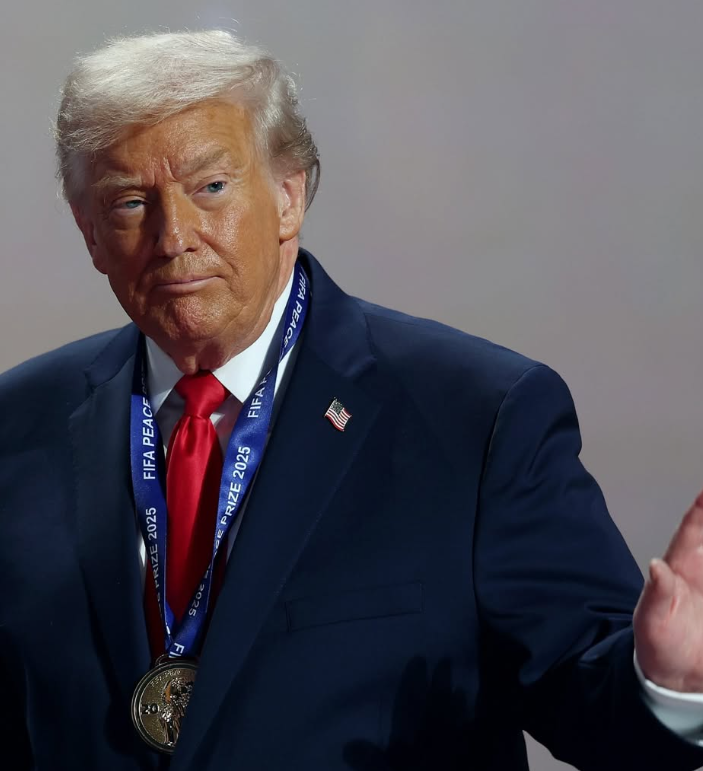
You might also want to read: FIFA Hands Trump First “Peace Prize”