Trump & RFK Jr. Claim Painkiller “Tylenol” Linked to Autism
© United States Senate - Office of Dan Sullivan
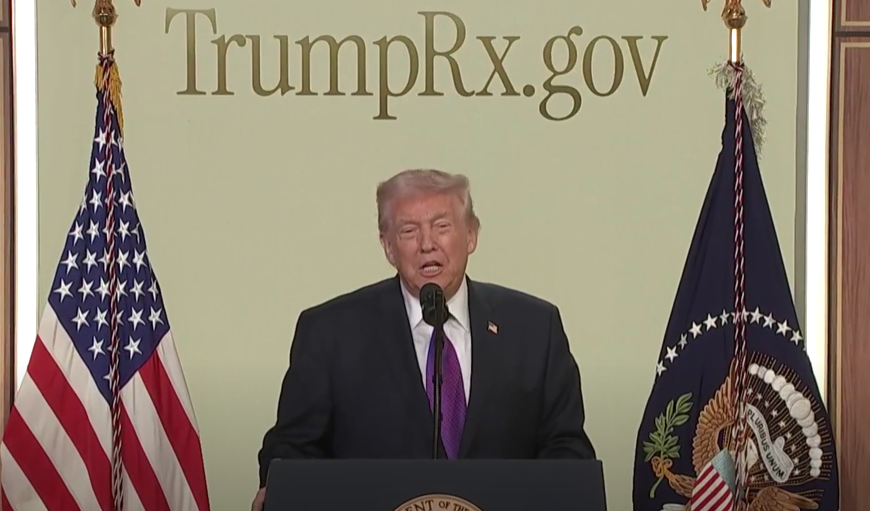
On September 22, 2025, U.S. President Donald Trump, along with Health and Human Services Secretary Robert F. Kennedy Jr., held a press conference where they claimed that new evidence suggests a link between acetaminophen (commonly known by the brand name Tylenol) during pregnancy and an increased risk of autism in children.
Trump urged expecting mothers to limit Tylenol use unless medically necessary. Kennedy backed the claim, stating that the FDA would be issuing guidance about it. The announcement had been previewed during Trump’s speech at Charlie Kirk’s memorial the day before, where he said a major medical announcement about autism was forthcoming.
What Is Acetaminophen & What’s Being Claimed
Acetaminophen is a common over-the-counter pain reliever and fever reducer. It’s used in many cold medicines and during pregnancy when needed.

The Trump administration is claiming that clinical and lab studies now show enough association between acetaminophen use in pregnancy and later developmental issues—specifically autism and possibly ADHD—to warrant caution. They argue that this could help explain increases in autism diagnosis rates.
Scientific Reaction & Expert Response
The announcement has drawn strong scrutiny from medical professionals and researchers:
- Experts caution that current studies show correlation, not causation, and that many of them have small sample sizes or confounding factors (other environmental or genetic factors) that make definitive conclusions difficult.
- Some point out that the rise in autism diagnoses over the years has been attributed to changes in diagnostic criteria, greater awareness, and expanded screening—not necessarily an increase in actual incidence.
- Organizations and pharmaceutical companies have pushed back on the idea that acetaminophen is definitively a cause, saying the evidence is not robust enough to make sweeping medical recommendations.
Risks, Implications & Controversies
This kind of announcement carries risk, especially when made at a national level:
- It may lead to pregnant people avoiding pain relief when medically needed, which could pose its own health risks.
- There is concern about spreading misinformation or alarm before the science is more settled. Critics worry about setting a precedent where unconfirmed medical claims are broadcast with political fanfare.
- The role of RFK Jr., who has previously expressed controversial views related to vaccines and autism, has led some to believe the administration may already favor certain theories—leading to claims of bias or potentially politicised science.
What’s Still Unclear
- The exact nature of the “evidence” cited—how strong, how many subjects, whether peer-reviewed, etc.
- Whether the FDA guidance will lead to new warnings, label changes, or restrictions on acetaminophen use in pregnancy.
- How will this announcement affect medical guidelines and obstetric care?
- How much of the administration’s statements are preliminary/policy-shaping vs scientific consensus?
You might also want to read: Trump Under Fire for Hostile Remarks at Charlie Kirk Memorial: “I Hate My Opponents”