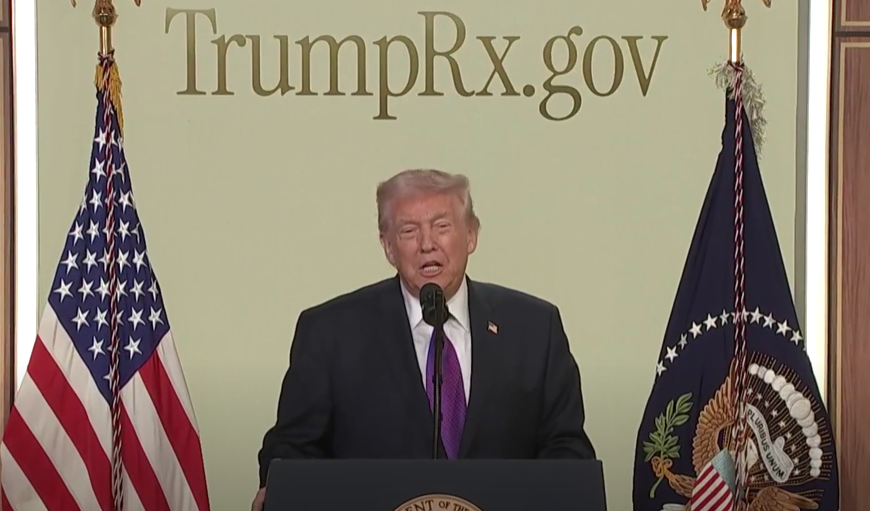
Trump Says NATO Must “Defend” Greenland or U.S. May Act
Public Domain
During a meeting with NATO leaders in Brussels, United States President Donald Trump issued a stark message to member states about the strategic importance of Greenland, the autonomous Danish territory in the Arctic.
Trump Pushes NATO on Greenland’s Security
Trump said NATO — and especially European members — must take responsibility for defending Greenland, or the United States “will have to step in.” The comments were aimed at pushing allies to increase defence commitments in the high north amid growing concern about Russian and Chinese interest in the region.
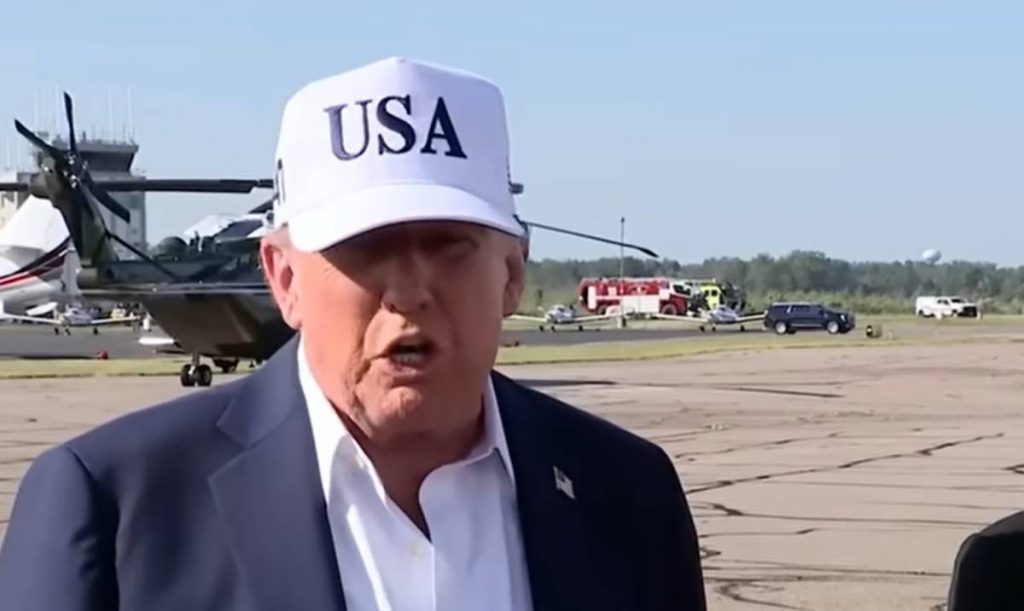
Trump reiterated what had been a recurring theme in his foreign policy: that the U.S. has borne too much of the defence burden in Europe and that partners should contribute more. This time, however, he focused specifically on the Arctic theatre and Greenland’s strategic role in trans-Atlantic security, radar early warning systems, and missile defence positioning — areas long seen as crucial as climate change opens new northern sea routes.
What Trump Said — and Why It Matters
In his remarks, Trump framed Greenland as vital to Western security, saying the island’s location makes it indispensable for monitoring potential threats from Russia in the Arctic. He told NATO allies that if they do not commit to enhancing their defence presence and infrastructure in the region, the United States might unilaterally bolster Arctic security, a statement interpreted by some diplomats as bordering on a threat.
“NATO has to be ready,” Trump said, according to spokesperson summaries, “and if NATO doesn’t step up, the United States will.” The implication — without specific multilateral agreements — raised concerns among some European officials that the U.S. could pursue defence initiatives in or around Greenland without full allied buy-in.
While Trump did not go as far as explicitly repeating his old comments about acquiring Greenland, his focus on the island and the pressure on NATO allies revived unease among Danes, Greenlanders, and other European partners about U.S. intentions and Arctic strategy.
Denmark and NATO Partners Push Back
Denmark, the sovereign state responsible for Greenland’s defence, responded cautiously. Copenhagen reiterated that Greenland is not for sale — echoing its long-standing position — and emphasised that defence policy must be decided with Greenland’s government and people, not dictated by external powers. Danish officials also pointed to NATO’s collective defence commitments under Article 5, while urging calm diplomatic engagement instead of public pressure.
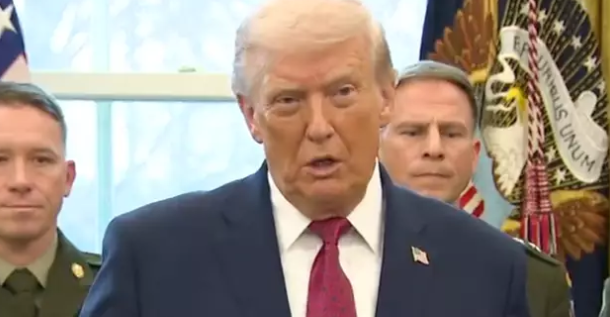
Other NATO members also reacted warily. European capitals have increasingly discussed Arctic security — particularly in the context of Russian military deployment in the High North — but many prefer to pursue multilateral cooperation and burden-sharing rather than unilateral pledges or public ultimatums. Some European diplomats expressed concern that Trump’s comments risked alienating allies rather than strengthening cohesion.
Strategic Importance of Greenland
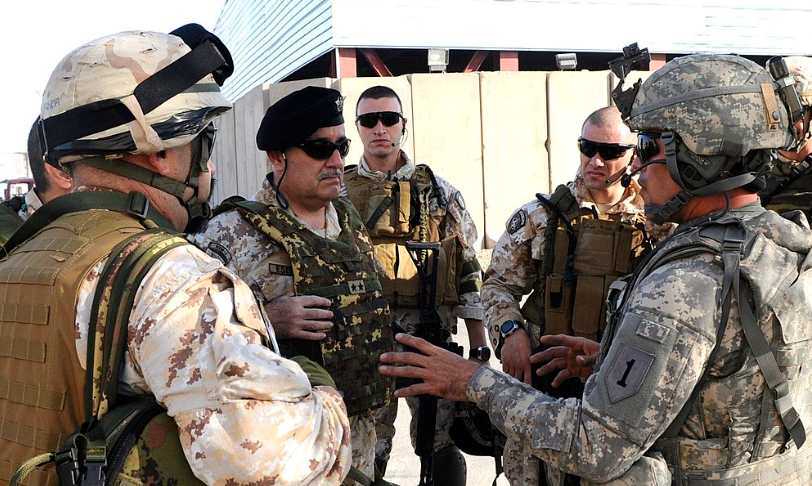
Greenland, though sparsely populated, sits astride key Arctic sea lanes and is home to U.S. and Danish airbases and radar installations that are part of North American and European early-warning systems. Its location makes it critical for monitoring missile launches across the polar region and for controlling emerging shipping routes opened by melting ice. For that reason, NATO members have periodically discussed enhancing their presence in the area as part of broader Arctic security arrangements.
Trump’s comments come amid broader geopolitical competition in the Arctic, where Russia has invested heavily in military infrastructure, and China has declared itself a “near-Arctic state,” fuelling concern in Western capitals about future influence over resources and strategic access.
You might also want to read: Vance Tells Europe to “Take Trump Seriously” on Greenland