Trump Says Nursing Is Not a ‘Professional Degree’ Anymore
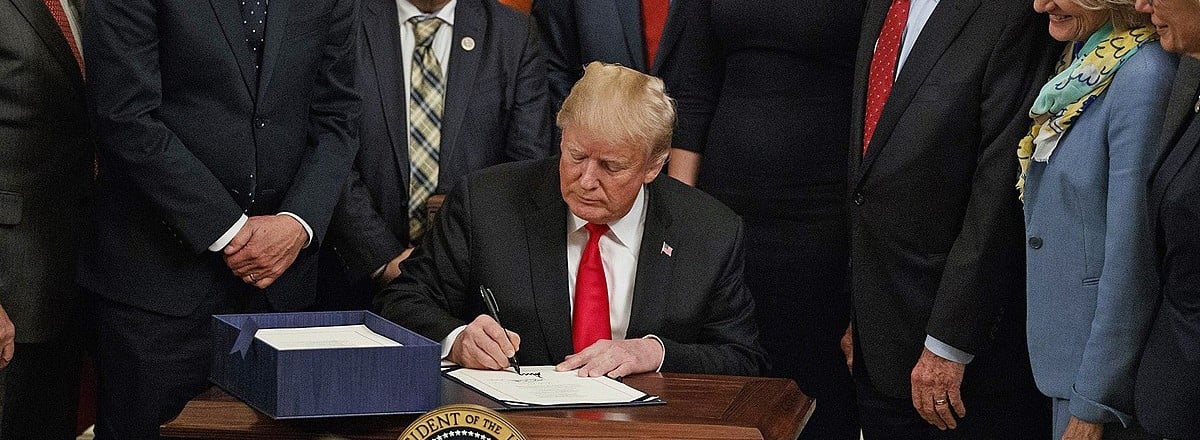
© United States Senate - Office of Dan Sullivan
A controversial new bill backed by the Trump administration could dramatically change how nursing education is perceived — and not in a good way.
According to recent reports, the legislation would strip nursing of its designation as a professional degree, sparking outrage among healthcare professionals, nursing students, and industry advocates.
What the New Trump Bill Proposes
The crux of the proposal is to officially revise the classification of nursing degrees so they are no longer labelled as “professional.” This would mark a symbolic and practical shift — one that could affect funding, public perception, and even job prospects for future nurses.

Supporters of the bill argue that this change is “administrative” and doesn’t inherently devalue the education or clinical training nursing students receive. However, critics disagree, warning that this move could make the profession less appealing to ambitious students and put pressure on an already strained healthcare workforce.
Why This Proposed Change by Trump Sparks Fear
- Professional Prestige at Stake
Nursing has long been viewed as a “profession,” not just a job — a respect earned through rigorous education, critical decision-making, and direct patient care. Losing the “professional degree” status could undermine that image. - Impact on Recruitment and Retention
Additionally, with a looming shortage of nurses, many worry that this new designation will deter students from entering nursing programs. If the degree is perceived as less “professional,” some might opt for other health or science careers, worsening staffing gaps. - Funding and Academic Implications
Additionally, the shift could influence how schools structure programs, how students finance their education, and how stakeholders (like accreditation bodies) evaluate curricula. Financial aid, grants, and even the way employers view nursing qualifications could shift as a result. - Broader Systemic Risks
Moreover, critics argue this isn’t just about a title — it’s about how political decisions can reshape essential sectors like healthcare. If nursing is de-emphasized through its educational framing, it could weaken long-term efforts to professionalize and strengthen the workforce.
Voices from the Field
- Nurse educators: Additionally, many call the bill “a slap in the face” to all the nurses who work long hours, continue training, and lead at the bedside.
- Student nurses: Some students say this change could affect their motivation and sense of identity — especially those pursuing higher degrees or leadership roles.
- Healthcare advocates: Unions and professional groups warn that the bill could trigger a domino effect, lowering standards and reducing public trust in nursing care quality.

Why It Matters
- Maintaining the professional status of nursing is not merely symbolic — it affects policy, funding, and workforce planning.
- Moreover, this move could be a turning point in how nursing education is justified and supported by the government.
- For a healthcare system already stretched thin, undermining the prestige and appeal of nursing might fuel the next crisis.
You might also want to read: Epstein’s Brother Says Trump Held Back Files