Trump Says U.S. Will “Run” Venezuela After Maduro Capture

© Gemini
In a dramatic announcement following a U.S. military operation in Venezuela, President Donald Trump said the United States will temporarily “run” Venezuela until a political transition can take place, marking an unprecedented shift in U.S. foreign policy in the region. The statement came after Venezuelan President Nicolás Maduro and his wife, Cilia Flores, were captured by U.S. forces and transported to New York to face drug-trafficking and narco-terrorism charges.
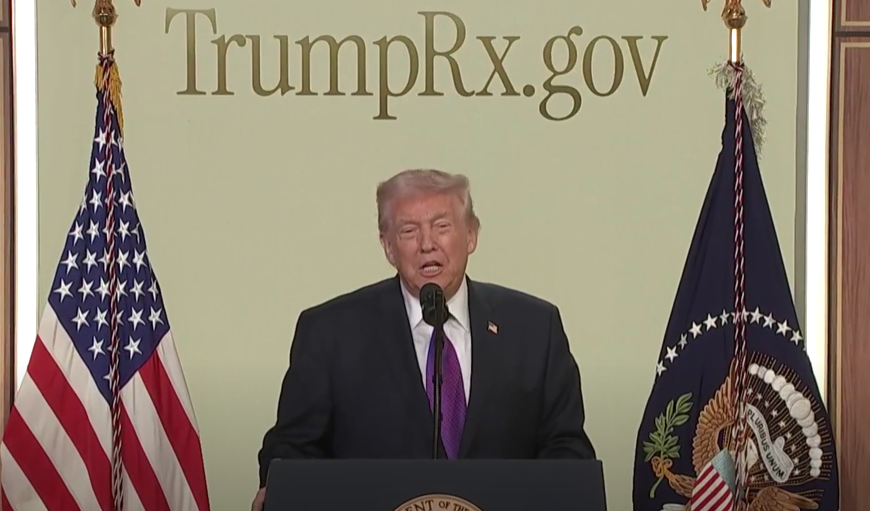
“We’re going to run the country until such time as we can do a safe, proper, and judicious transition,” Trump said, offering few details about how exactly U.S. leadership would be exercised or what level of military or civil authority it would involve. He described the move as necessary to prevent an adverse power vacuum and to stabilise the oil-rich nation.
What Trump’s Plan Entails
At a press briefing at his Mar-a-Lago estate, Trump said senior officials — including Secretary of State Marco Rubio and other top aides — would form a leadership structure to manage Venezuela’s governance temporarily as Caracas navigates a transition. He emphasised that the aim is not long-term occupation, but rather to oversee a “safe” shift to new leadership.
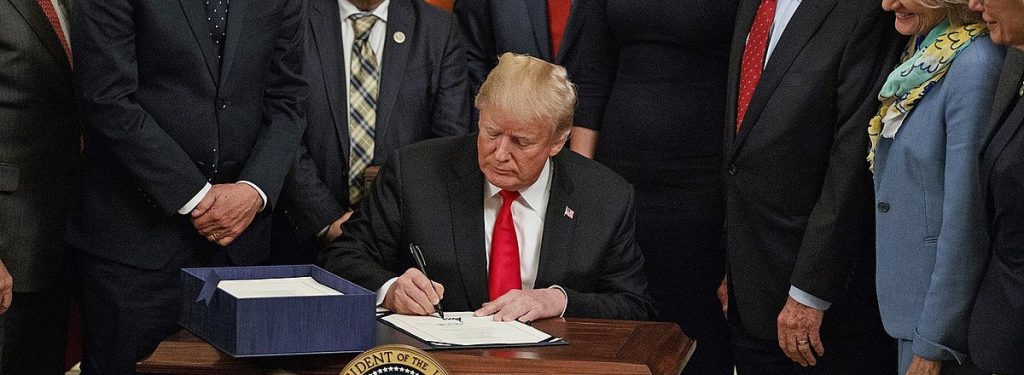
Trump also told reporters that U.S. oil companies would play a role in revitalising Venezuela’s dilapidated oil infrastructure once the country is stabilised, hinting at significant economic involvement. This move has been widely criticised as blending security objectives with commercial interests.
Trump refused to rule out further military involvement if necessary, saying the U.S. “is not afraid of boots on the ground,” though he claimed direct ground combat was not the preferred approach and largely hinted at continued strategic presence.
International Legal and Political Backlash
The announcement immediately ignited international controversy. Legal experts and world leaders have questioned the legality of a unilateral military operation that overthrew Venezuela’s sitting government without clear congressional approval or broad international support. The United Nations Security Council is expected to convene discussions on the situation.
Moreover, Latin American governments, including Brazil and Mexico, condemned the intervention as a violation of sovereignty, and China called the operation “hegemonic” and deeply troubling. Critics argue the takeover echoes past U.S. interventions in Panama and Iraq, raising fears of regional instability.
Domestic U.S. Reactions Are Divided
Within the United States, responses have been sharply divided. Some Republican lawmakers praised Trump for decisive action against a leader they view as “illegitimate” and tied to narco-terrorism. Others — including some of Trump’s own allies — expressed unease about the plan to govern a foreign country without a clear strategy or legal mandate.
Meanwhile, Democrats and global affairs analysts criticised the mission as “unlawful” and “unwise,” warning that it prioritises oil and geopolitical influence over democratic principles and could embroil the U.S. in prolonged commitments far from home. Former Vice President Kamala Harris described the operation as destabilising and lacking clear legal authority.
You might also want to read: U.S. Military Strikes in Venezuela Lead to Capture of Nicolás Maduro