Trump Signs Executive Order To Change Marijuana Law in the US
© CC BY-SA 3.0
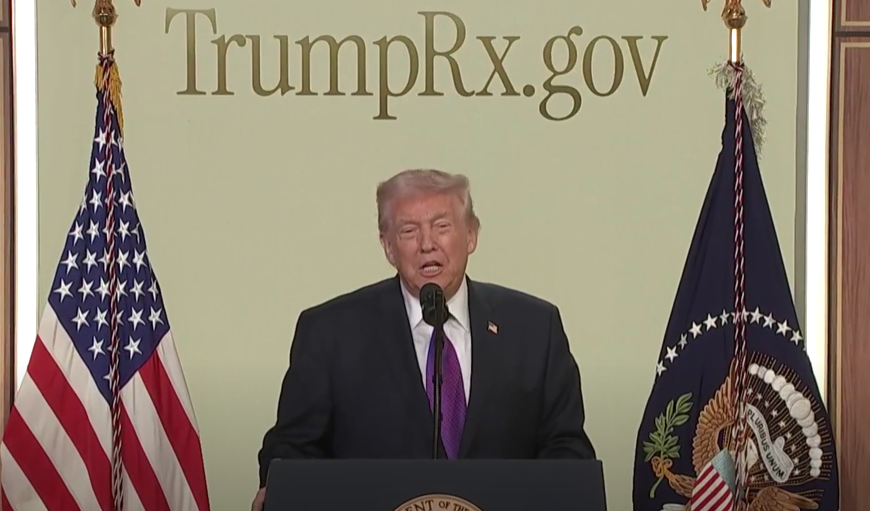
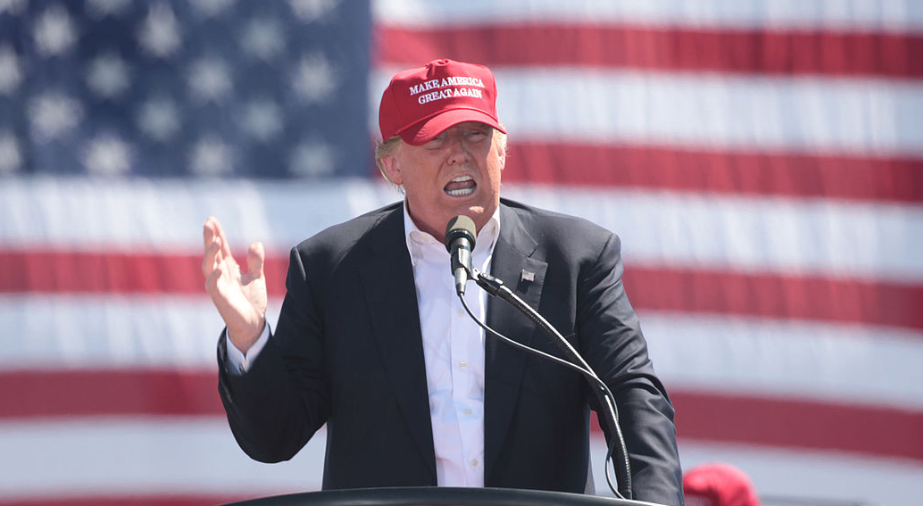
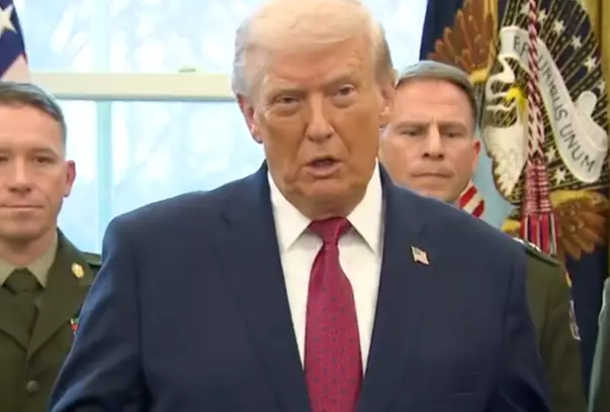
On December 18, 2025, President Donald Trump signed an executive order that will begin moving marijuana out of the federal government’s strictest drug classification — Schedule I — and toward Schedule III, a category reserved for drugs deemed to have moderate to low potential for abuse and recognized medical use.
Under the Controlled Substances Act, Schedule I drugs include substances like heroin, LSD, and ecstasy, which federal officials have long said have no accepted medical use. Schedule III drugs — like codeine or ketamine — are seen as less dangerous and medically useful.
While Trump framed the order as an appeal to “common sense” and medical research, the shift does not legalize cannabis nationwide or remove federal prohibition.
Why It Matters (But Not How You Think)
At a glance, this sounds huge — and in some ways it is — but the real-world effects will be nuanced:
Research Gains
Federal researchers will face fewer administrative hurdles to study cannabis and its compounds, especially for medical applications, a goal Trump underlined during the signing ceremony.
Industry Relief (Kinda)
Legal cannabis companies could see tax benefits by escaping the punitive Schedule I tax landscape, and this has helped markets rebound after initial sell-offs.
Medicare Pilot Program
A new program aims to reimburse seniors for some CBD products, though benefits will be limited and specific.
But don’t go buying federal weed just yet — marijuana will remain illegal at the federal level for recreational use, and enforcement or banking access won’t flip overnight.
Not Everyone Is Happy
The reaction in Washington has been a mixed bag:
- Some Republican lawmakers have openly criticized the shift, saying rescheduling undermines traditional anti-drug stances.
- Advocates applaud reduced barriers but argue the move is not enough — they want full legalization and criminal justice reforms.
- Experts caution that real scheduling changes still require formal rulemaking through the DEA, which could take months and face legal challenges.
What This Really Means
This executive order marks a symbolic and practical step in federal cannabis policy — the biggest shake-up since 1970 — but it stops short of rewriting the law on recreational use or automatically harmonizing federal and state rules.
In other words: it’s a policy remix, not a full legalization track drop.
You might also want to read: Trump Widens Travel Ban to Seven More Countries