Trump Signs Order to Stop States From Having Their Own AI Rules
© C Span
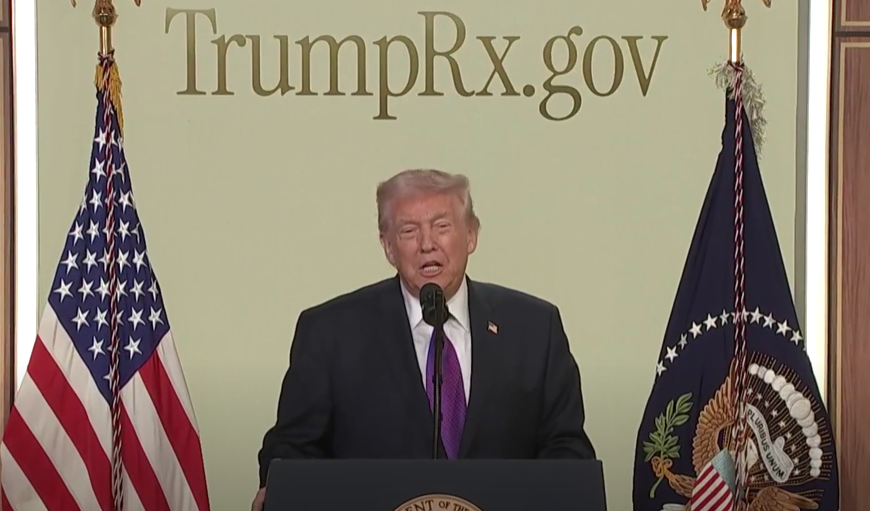
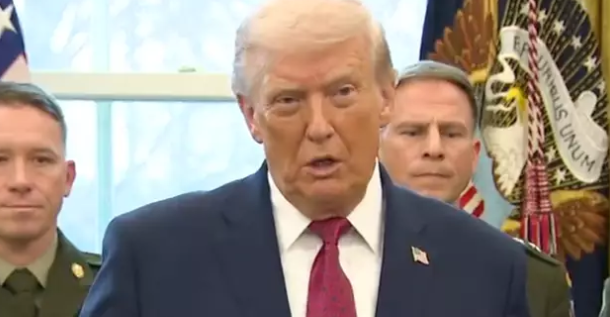
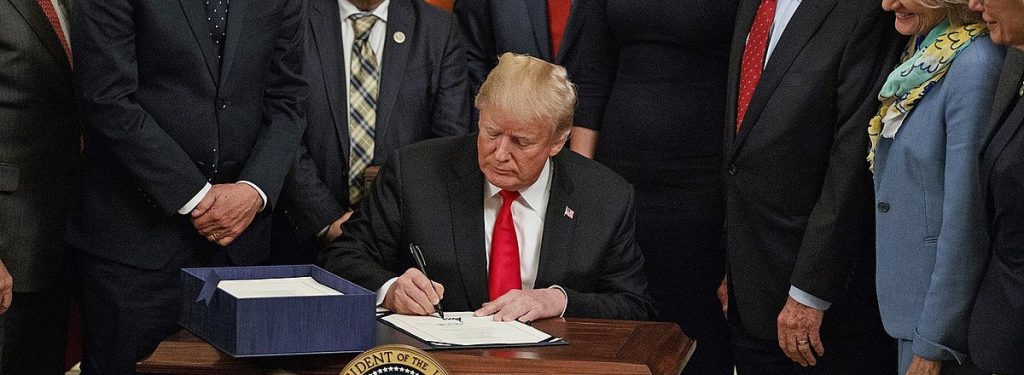
On December 11, 2025, President Donald Trump issued an executive order titled Ensuring a National Policy Framework for Artificial Intelligence, aimed at preventing individual states from enforcing their own AI regulations and creating a unified federal approach to AI policy.
The order underscores the White House’s priority of advancing U.S. global AI leadership, asserting that a patchwork of state laws could hinder innovation and competitiveness.
What Does the New Order by Trump Entail?
Under the order, the Department of Justice (DOJ) is tasked with forming an AI Litigation Task Force within 30 days. This unit’s sole mission is to challenge state laws deemed to conflict with the national policy’s goals, including potential claims that states unconstitutionally regulate interstate commerce or impose burdens on technology developers.
Challenging State AI Laws
In addition to litigation authority, the executive order directs the Department of Commerce to identify “onerous” state AI laws within 90 days that could be referred to the litigation task force. It also gives federal agencies the option to condition federal funding, including broadband deployment funds, on states not enforcing conflicting AI laws.
The order explicitly seeks to preempt state rules that would alter how AI systems function, including those that might require models to modify truthful outputs or comply with differing local safety standards.
Political and Legal Backlash
Trump’s move has sparked sharp debate across political lines. Several state leaders have vowed to defend their AI regulations. Illinois officials called the federal approach unconstitutional and said they would maintain protections in areas like AI use in public services, hiring, and digital identity safeguards.
Republican figures — including Florida Governor Ron DeSantis and Utah Governor Spencer Cox — have also criticized the order, arguing it undermines states’ rights under the Constitution and could stifle local innovation. Progressive lawmakers, civil liberties groups, and tech critics argue the order hands too much influence to major AI companies and weakens protections for consumers and vulnerable populations.
Despite this pushback, many major tech industry leaders welcomed the executive order. They argue that a single national framework avoids a costly and complex “50-state rulebook” that could deter investment and slow technological progress.
Broader Context and Future Implications
The December 11 order follows earlier Trump administration efforts to reshape federal technology and regulatory policy. It builds on a stance that U.S. AI leadership is both an economic engine and a strategic asset in global competition, particularly against China.
Critics note that executive orders lack the force of federal law and could be challenged in court on constitutional grounds, particularly under the Tenth Amendment, which protects state authority in areas not explicitly governed by Congress. At the same time, several states have already advanced their own AI safety bills in reaction to federal moves, signaling a likely protracted legal and political battle over where AI governance power ultimately resides.
As the litigation task force begins its work and federal funding conditions take shape, the fight over AI regulation in the U.S. is likely to shape innovation, public safety standards, and the balance of power between state and federal authorities well into 2026 and beyond.
You might also want to read: Trump Signs Executive Order To Change Marijuana Law in the US