Trump Speaks to Renee Nicole Good’s Father After ICE Shooting
© Public Domain
In the wake of the nationwide uproar over the ICE agent-involved killing of 37-year-old Minneapolis resident Renee Nicole Good, President Donald Trump issued a public statement directed at her father while doubling down on his administration’s defense of the federal officer involved. The remarks come amid ongoing protests, released footage of the incident, and sharp political divisions over law enforcement tactics.
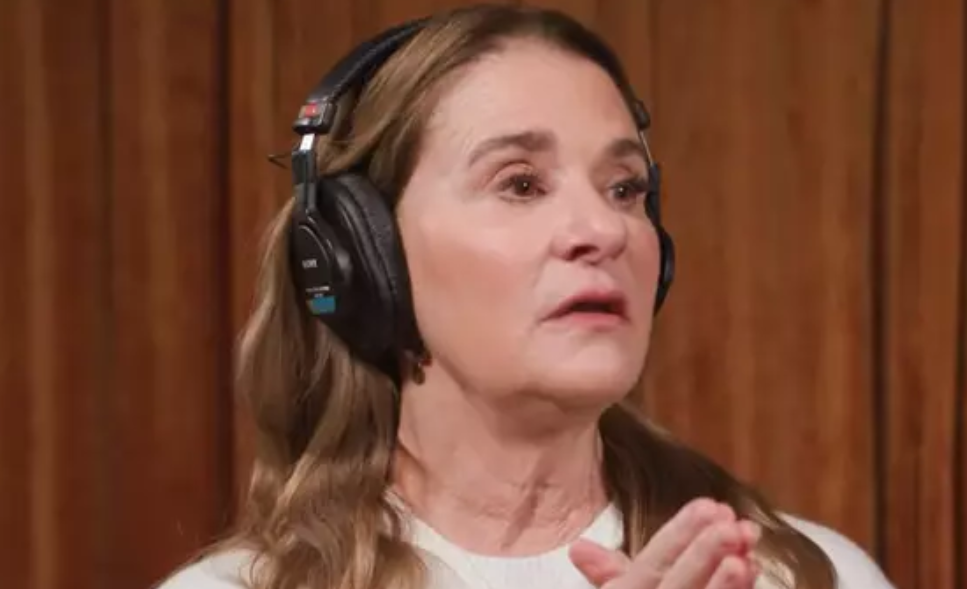
According to a new report, Trump reached out directly to Good’s father, offering condolences and saying he understood the pain of the family, even as he defended the controversial actions of his administration and federal agents.
Calling Good “Wonderful” — But Blaming Her Actions
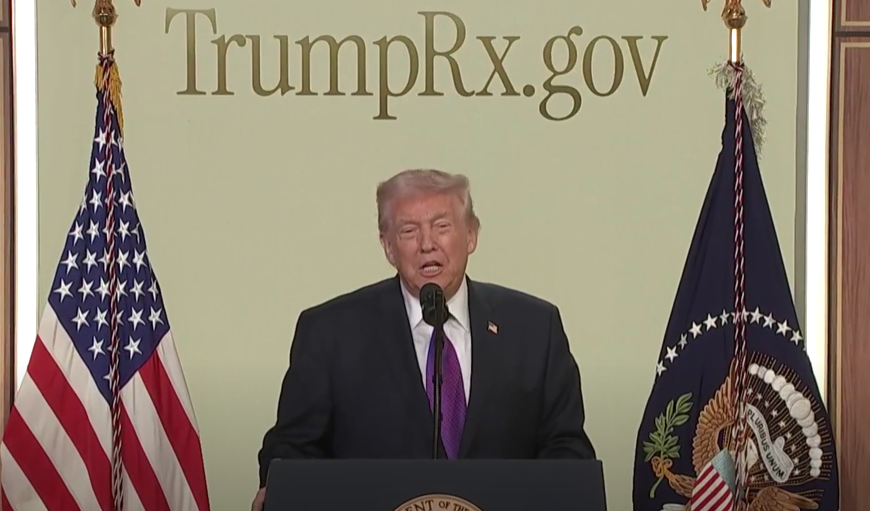
In an interview aired on national television, Trump described Good as likely a “solid, wonderful person under normal circumstances,” acknowledging her humanity — but then immediately defended the conduct of the ICE agent who shot her. He criticized what he called her “tough” actions in the moments leading up to the shooting, repeating his administration’s characterization that Good was disorderly and obstructive.
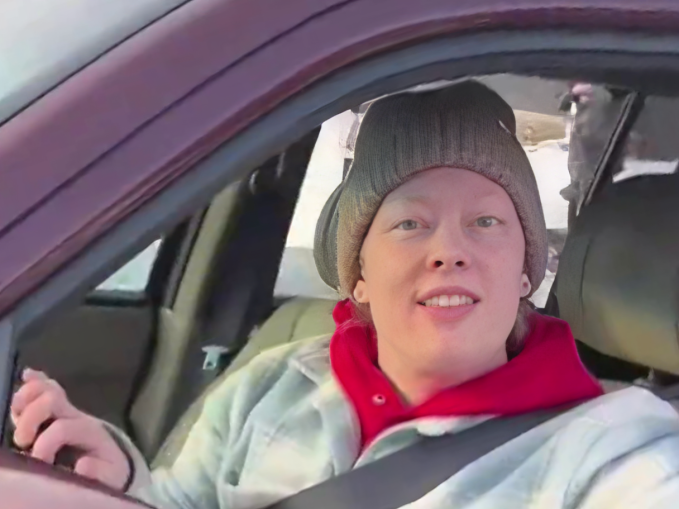
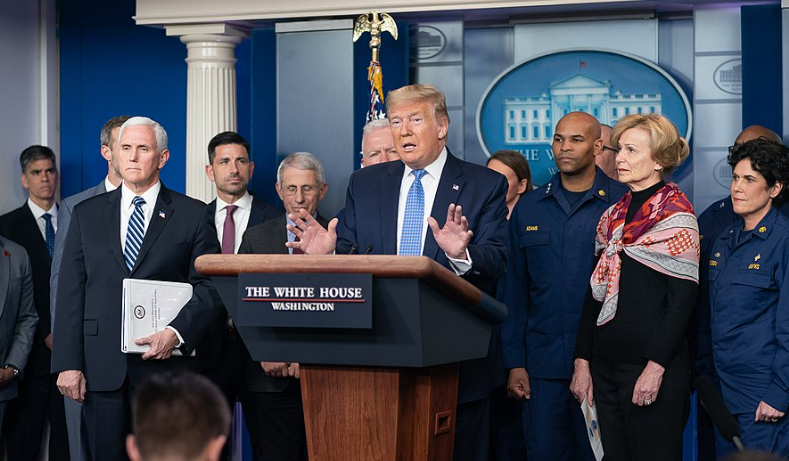
Trump and other senior officials like Department of Homeland Security Secretary Kristi Noem, have portrayed the incident as law enforcement responding to dangerous behavior, with Noem labeling parts of Good’s conduct as “domestic terrorism.”
Yet local officials and video evidence released publicly paint a very different picture. Multiple clips from bystanders and even from ICE agents’ phones show Good sitting silently in her vehicle and attempting to drive away when shots were fired. Many critics say the footage does not support claims that she “ran over” anyone or presented an imminent threat.
Trump Pins Blame on “Radical Left”
During his remarks, Trump broadened his defense of immigration enforcement by blaming the “Radical Left” for creating conditions that, he said, lead to violence and hostility toward law enforcement. He claimed that anti-ICE activism had emboldened protesters and put federal agents at risk, framing the killing as a symptom of a larger ideological conflict.
This distancing from direct responsibility — assigning fault to political movement rather than agency conduct — has fueled even more heated debate. Opponents argue his comments ignore straightforward video evidence and elevate politics over truth and justice. Supporters contend that law enforcement should not be criticized without fully understanding the dangers agents allegedly face.
Local Leaders Push Back Hard
Minneapolis Mayor Jacob Frey and other city officials have strongly criticized the federal narrative. After footage was released showing moments before the shooting, Frey described the official version as reckless and inaccurate, demanding transparency and accountability from federal authorities.
Community leaders and demonstrators have taken to the streets in Minneapolis, echoing the mayor’s call to review the incident impartially and to question why federal agents, rather than local law enforcement, were conducting enforcement operations in residential areas.
Ongoing Fallout and Broader Divisions
The killing of Good quickly became emblematic of broader national tensions over immigration enforcement, use of force policies, federal authority vs. local oversight, and political rhetoric. Several federal prosecutors in Minnesota resigned after Justice Department leadership declined to open an independent civil rights investigation into the shooting — a move critics see as politically motivated.
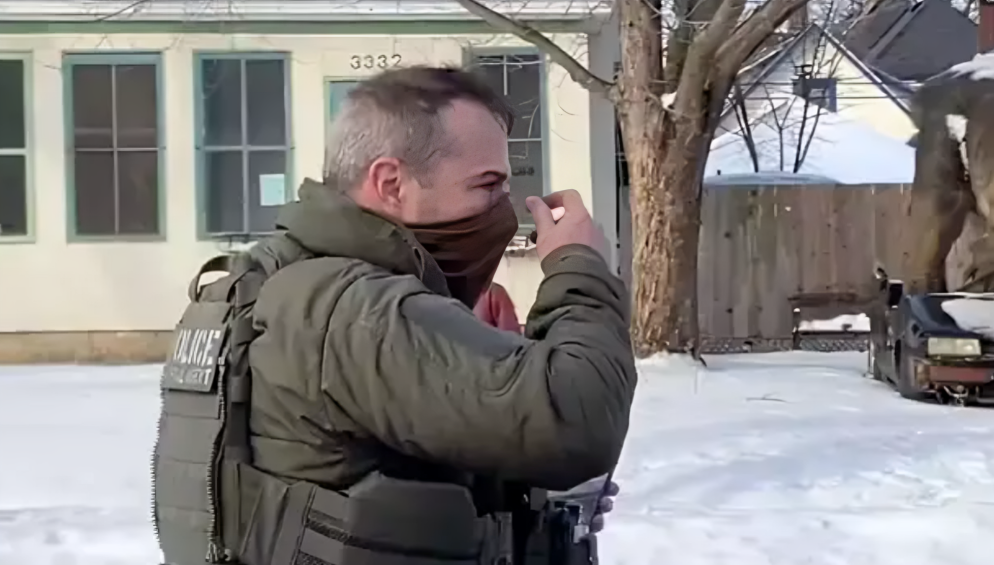
Meanwhile, donors, including billionaire Bill Ackman, have contributed to a fundraiser for the ICE agent involved, illustrating how polarizing the case has become even among wealthy and influential Americans.
What This Means
Trump’s highly scrutinized response — expressing condolences while repeatedly defending federal agents and shifting blame — highlights the deep political fault lines in how Americans perceive both immigration enforcement and government accountability. The case remains under federal investigation, and public pressure for transparency shows no signs of slowing as video evidence and protest movements keep the issue in the spotlight.
This moment underscores a nation deeply divided not just on policy, but on how truth, authority, and justice are communicated — from the White House to local city streets.
You might also want to read: Trump Delivers Bizarre Answer When Asked About Renee Good