Trump Under Fire for Hostile Remarks at Charlie Kirk Memorial: “I Hate My Opponents”
© CC BY-SA 2.0
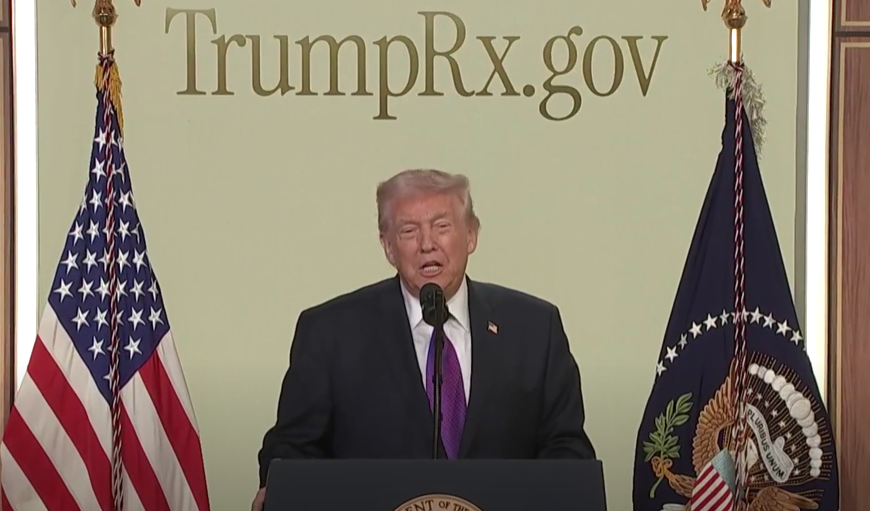
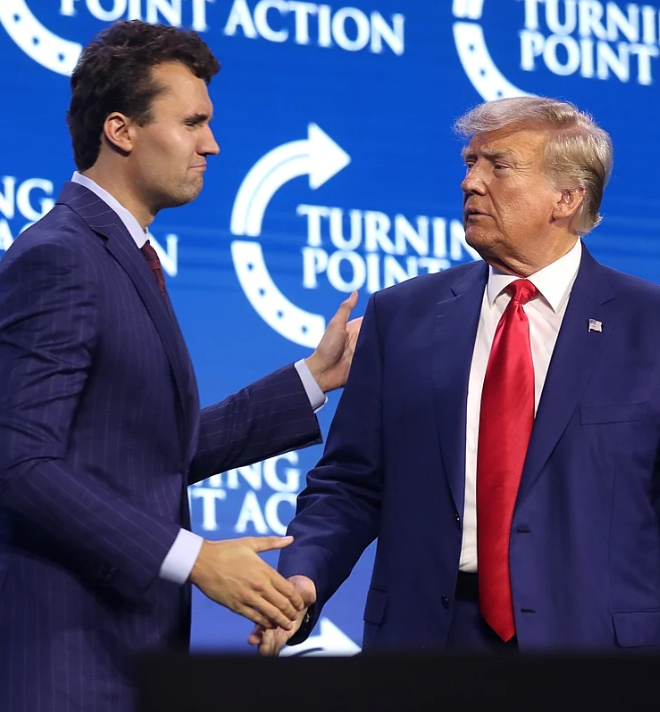
At the memorial for Charlie Kirk in Glendale, Arizona, on September 21, 2025, President Donald Trump delivered a speech intended as a eulogy. Mid-address, however, he made several remarks that stirred controversy:
- He stated that unlike Kirk, he doesn’t want the best for his opponents, saying, “I hate my opponents.”
- Trump claimed that Kirk’s last request to him was to “Save Chicago,” linking the deceased’s final plea to his own plans for federal intervention in crime in Chicago. He used this to frame a broader political narrative.
- He also called out certain commentators and influencers for reacting to Kirk’s assassination with what he described as “sick approval,” particularly criticizing those using “wrong pronouns” and others in media culture who, in his view, celebrated or approved of the killing.
Why People Are Calling the Remarks Inappropriate
Several aspects of Trump’s remarks have led to broad criticism:
- Tone of Aggression vs. Condolence
Many mourners expected a more sympathetic tone. While Kirk’s widow, Erika, spoke of forgiveness and Christian compassion, Trump’s declarations of hatred toward opponents stood in stark contrast. Critics say this shifted the atmosphere from grieving to confrontation. - Using a Memorial as a Political Platform
Observers argue that Trump used the memorial not only to praise Kirk but also to promote his political agenda. The references to crime in Chicago, speeches about cultural and media opposition, and other policy points felt, to some, like the politicization of a solemn event. - Contrast with Messages of Forgiveness
Erika Kirk’s speech was widely seen as extending forgiveness—“The answer to hate is not hate.” Many found Trump’s remarks poorly aligned with that sentiment. The sharp language — “I hate my opponent” — drew condemnation, especially for ignoring the memorial’s spiritual tone. - Polarization & Social Divisions
Critics also say the remarks feed further into existing national divides. In a time of heightened political tension, saying “I hate my opponents” at a public memorial is seen by many as reinforcing hate rather than helping heal or unite.
Reactions & Fallout
- Media / Public Response
Newspapers, columnists, and political commentators widely flagged the speech as unseemly for a memorial setting. Many contrasted Texas’s Kirk’s widow’s message of grace with Trump’s more combative tone. - Within Political Circles
Some conservative figures praised Trump’s intensity, commending him for speaking plainly about perceived political battles. Others—particularly among faith-based and Christian media outlets—expressed discomfort with the hostility blended into what many hoped would be a unifying moment. - Long-term Implications
The speech is likely to be remembered more for its controversy than its tribute. It may influence public perception of Trump’s tone in future public ceremonies, and possibly affect how memorials (in polarized political climates) are expected to behave. The incident could also play into debates about civility, political rhetoric, and the role of leaders in moments of tragedy.
You might also want to read: Strict Protocols in Place for Charlie Kirk Memorial Amid Confirmed Security Threats