United States Officially Withdraws from World Health Organization
© C Span
The United States has officially completed its withdrawal from the World Health Organization (WHO), ending a nearly eight-decade relationship with the United Nations’ premier global health agency.
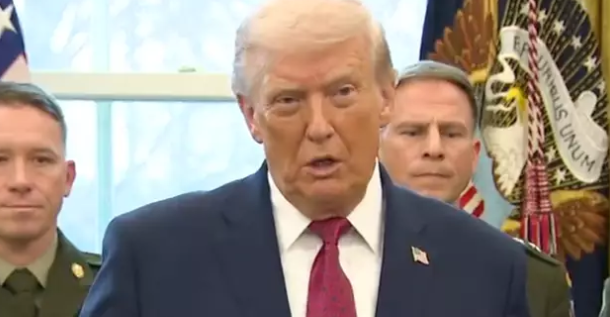
The move comes after a yearlong process initiated by President Donald Trump and has drawn both praise from supporters and serious concern from global health experts.
Why the U.S. Pulled Out of the World Health Organization
Federal officials, including Secretary of Health and Human Services Robert F. Kennedy Jr. and Secretary of State Marco Rubio, said the withdrawal was driven by what they describe as the WHO’s mishandling of the COVID-19 pandemic and its failure to implement urgent reforms. U.S. leaders have also criticised the agency’s governance, alleging political influence and a lack of transparency that they argue compromised global responses during health emergencies.
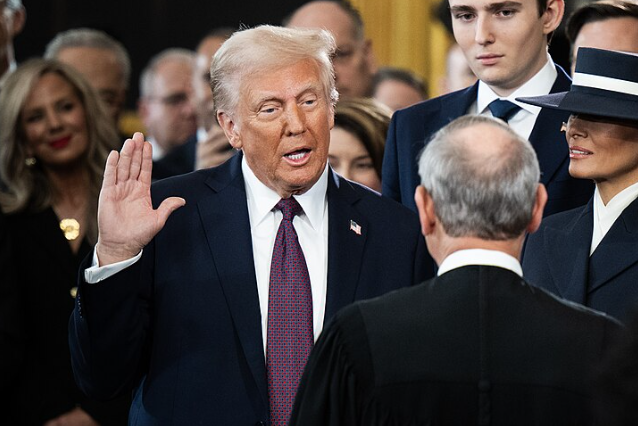
The process to leave began when President Trump signed Executive Order 14155 on January 20, 2025, formally starting the one-year notice required under international rules for withdrawal.
What the Withdrawal Means in Practice
With the exit now legally complete, the United States has:
- stopped all funding to the WHO
- recalled U.S. personnel from WHO offices worldwide
- ceased participation in WHO committees and technical groups
- shifted many global health functions to direct partnerships with other countries or organizations instead of through the WHO framework
Officials say the U.S. will continue to play a global health role independently, focusing on emergency response, biosecurity, and health innovation through bilateral and multilateral cooperation outside the WHO.
U.S. Role in World Health Organization and Global Health Ties
The United States was a founding member of the World Health Organization at its creation in 1948 and historically contributed more money and expertise than any other nation, including hundreds of millions in annual dues and voluntary funding.
Experts say that exit could disrupt established channels for tracking disease outbreaks, coordinating vaccine development, and sharing critical public health data — collaborations that have underpinned U.S. preparedness for new health threats for decades.
Criticism and Concerns
Public health professionals have strongly criticised the withdrawal. Some describe the decision as short-sighted, warning that losing direct access to WHO-led monitoring and early warning systems could leave the United States and its partners slower to detect and respond to new infectious diseases.
There are also practical concerns about unresolved financial obligations — such as unpaid dues left behind — and whether the U.S. can effectively replace the broad data-sharing networks once enabled by WHO participation.
What Comes Next
While the U.S. government insists it will maintain global health leadership, the practical effects of the withdrawal will unfold over time as new bilateral agreements and partnerships take shape. For now, the split marks one of the most significant changes in global health governance in recent history.
You might also want to read: People Collect Money for Ford Worker Who Heckled Trump