Which Countries Are Most at Risk From the July 30, 2025, Monster Tsunami?

© Freepik
A massive earthquake shook the ground off Russia’s Kamchatka Peninsula on July 30, 2025, sending shockwaves across the Pacific Ocean.
This wasn’t just any quake—it was an 8.8-magnitude monster, one of the strongest ever recorded.
Now, tsunami warnings are flashing across screens, and people are scrambling to safety.
But which countries are most likely to feel the impact of this powerful natural event? Let’s break it down.
2025 Pacific Tsunami: Countries at Risk
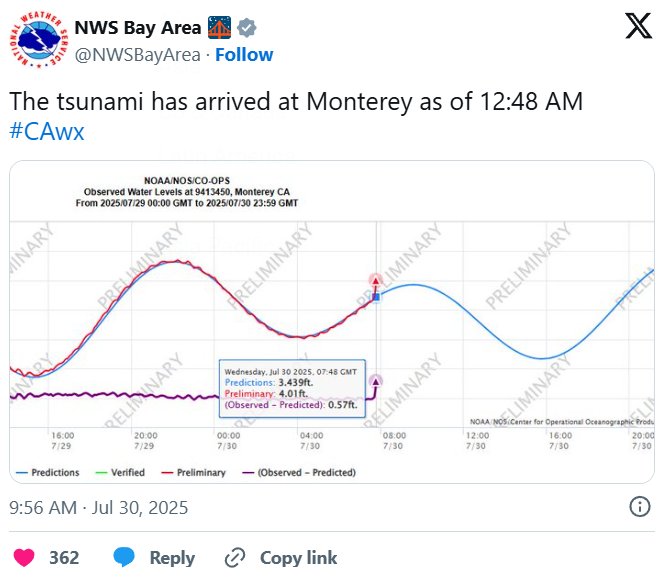
The earthquake struck about 126 kilometers southeast of Petropavlovsk-Kamchatsky, Russia, at a shallow depth of 18 to 20.7 kilometers. Shallow quakes like this often trigger tsunamis because their energy doesn’t have far to travel to reach the surface.
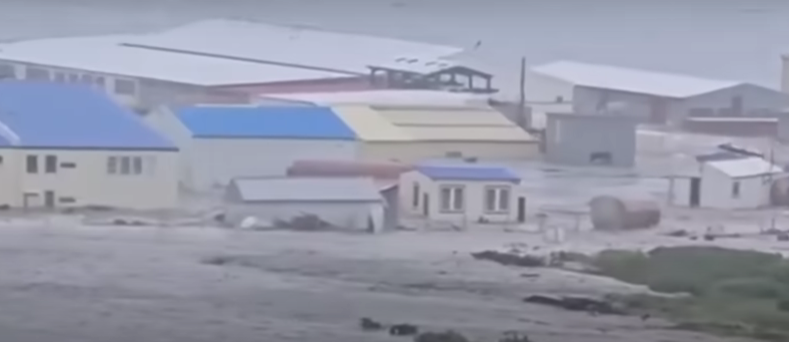
Russia’s Far East, particularly the Kamchatka region and the Kuril Islands, is already seeing waves as high as 3 to 5 meters. The port town of Severo-Kurilsk has been flooded, with boats swept out to sea and buildings damaged.
Japan, sitting on the Pacific Ring of Fire, is another major concern. Tsunami waves of up to 1.3 meters have hit Hokkaido and parts of Honshu, prompting evacuation orders for nearly 2 million people across 133 municipalities. Japan’s history with tsunamis, like the devastating 2011 Tohoku disaster, has officials on high alert, urging residents to move to higher ground.
Across the Pacific, Hawaii is bracing for impact. Waves up to 6 feet have been recorded at Midway Atoll, and Kauai and Oahu are seeing elevated sea levels. Governor Josh Green has issued an emergency proclamation, closing harbors and canceling flights out of Maui.
The U.S. West Coast, particularly Northern California, is under a tsunami warning, with Crescent City expecting waves up to 5 feet due to its unique coastal geography. Other U.S. states like Oregon, Washington, and Alaska’s Aleutian Islands are under advisories, warning of strong currents and possible flooding.
The tsunami’s reach doesn’t stop there. Countries like the Philippines, Taiwan, Guam, and the Northern Mariana Islands are under alerts for waves between 1 and 3 meters. Pacific nations such as Ecuador, Chile, Peru, Costa Rica, Fiji, Samoa, Tonga, and New Zealand have also issued warnings or advisories, urging people to avoid beaches and harbors. While China lifted its alerts for Shanghai and Zhejiang, Taiwan’s coastal residents are still cautioned to stay vigilant.
Why This Tsunami Is So Dangerous
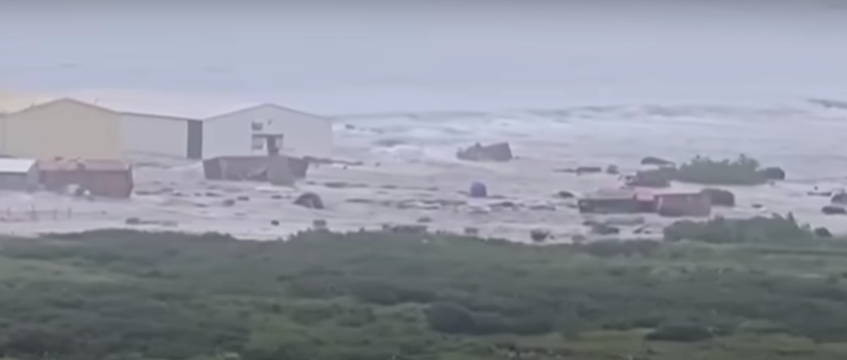
Tsunamis aren’t like regular ocean waves. They can travel at speeds up to 435 miles per hour, like a jet plane, and their energy can cause severe damage when they hit shallow coastal waters. Experts warn that the first wave might not be the largest, and the danger could last for hours.
In Hawaii, officials noted that receding water—a sign of tsunami activity—means more waves could be coming. The 2011 Japan tsunami, which killed nearly 20,000 people, is a stark reminder of the destruction these waves can cause.
Staying Safe and Prepared
For those in affected areas, the message is clear: move to higher ground or inland immediately. In Japan, Prime Minister Shigeru Ishiba emphasized saving lives first, with no major damage reported yet. In Hawaii, lifeguards have cleared beaches, and residents are urged to avoid coastal areas.
The U.S. Tsunami Warning Center and Japan’s Meteorological Agency are updating advisories regularly, so staying tuned to local news and official sources is critical.
This event also highlights the importance of preparedness. California’s Tsunami Preparedness Week, held in March 2025, encouraged residents to learn evacuation routes and check tsunami zone maps. Wherever you are, knowing your area’s risks and having an emergency plan can make all the difference.
The 2025 Pacific Tsunami is a wake-up call for countries across the Pacific. While the full extent of the damage is still unfolding, the quick response from governments and communities shows how seriously this threat is being taken. Stay safe, stay informed, and keep away from the coast until the all-clear is given.
You might also want to read: US Under Tsunami Threat as Sixth-Strongest Earthquake Shakes the Pacific