White House Fires Back After Sabrina Carpenter Slams ICE Video
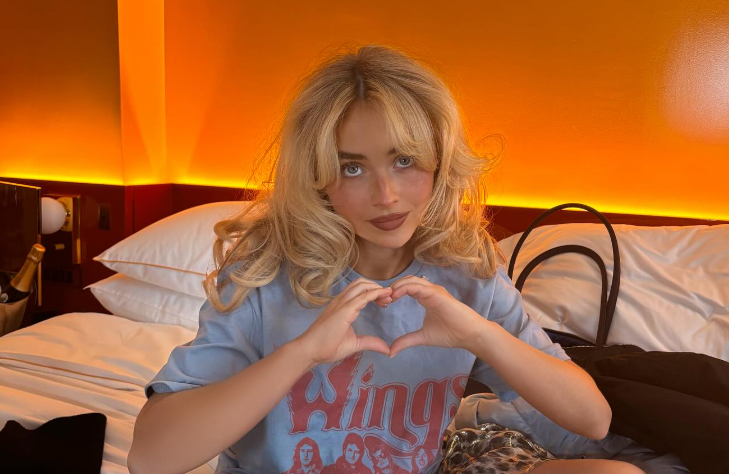
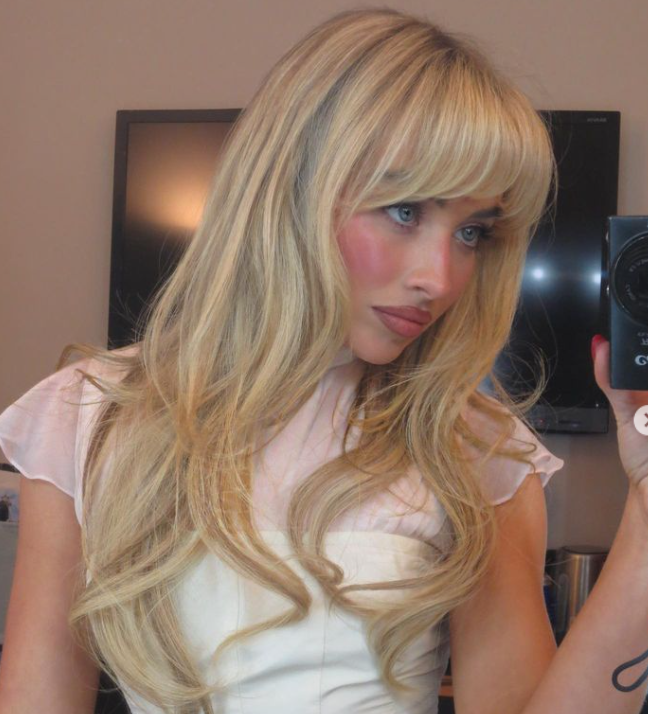
© sabrinacarpenter / Instagram
A few days ago, the White House shared a video on social media showing footage of U.S. Immigration and Customs Enforcement (ICE) raids — arrests, detentions, agents chasing people — paired with the song “Juno” by Sabrina Carpenter.
The post featured a caption referencing a lyric from the song: “Have you ever tried this one? Bye-bye.”
What Triggered the Clash Between Sabrina and the White House?
Upon seeing the montage, Carpenter reacted publicly. On her social media account, she wrote: “this video is evil and disgusting. Do not ever involve me or my music to benefit your inhumane agenda.”
Her statement quickly sparked public debate: many sided with her, arguing that using pop music to soundtrack scenes of harsh immigration enforcement was deeply troubling, both ethically and artistically.
How the White House Responded — No Apology, Sharp Words
Rather than back down, the White House responded forcefully. In an official statement issued via spokesperson Abigail Jackson, the administration said it would not apologize for the video. They defended the use of “Juno,” stating that the video portrayed what they described as “dangerous criminal illegal murderers, rapists, and pedophiles.” The statement added that anyone defending those they called “sick monsters” must be stupid, or is it slow?”
They doubled down on the administration’s broader immigration policy, framing the video — and its music — as part of a public-safety and law-enforcement message.
Why This Matters — Consent, Art, and Political Messaging
The clash between Carpenter and the White House isn’t just celebrity drama — it raises deeper issues around:
- Consent and the use of art in politics: Many argue that using a publicly available song in a political video — especially one with strong imagery and political implications — without the artist’s approval is unethical.
- Context and meaning: Carpenter’s song “Juno” was not created to support immigration raids or policy enforcement. Repurposing it strips lyrics and music from their original context and attaches them to a controversial political agenda.
- Artists vs. power: This is not the first time musicians have pushed back against government use of their art. The incident highlights tensions around copyright, licensing, and moral association — who controls how art is used, and who gets to decide whether it supports certain messages.
- Public image and accountability: By using a popular song, the administration aimed to give its video a musical “hook.” But opposition from a high-profile artist turned that strategy into public relations backlash instead.
What Happens Next — Fallout, Pushback, and Broader Debate
- Carpenter’s protest has added her name to a growing list of artists refusing to let their work be co-opted for political messaging.
- The controversy may prompt increased scrutiny over how government agencies use copyrighted material in social media — potentially fueling legal or regulatory debates about consent and licensing.
- For public audiences, the incident may shift how people view similar videos: rather than seeing them as neutral informational clips, more may question the use of art in politically charged content and consider the ethics behind it.
- For artists, it could encourage more assertive public stances regarding their creative rights — and push for clearer laws or norms around political use of music and media.
You might also want to read: Sabrina Carpenter Slams White House for Using Her Song