The ‘Whites-Only’ Town That Still Exists 30 Years After Apartheid
© Generated by Recraft
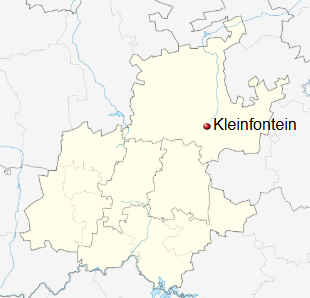
Just 20 minutes outside Pretoria, behind guarded gates and wire fencing, stands a place that looks eerily untouched by time — Kleinfontein.
Founded in 1990, the 8.6-square-kilometer community is home to around 1,500 white Afrikaners who say they’ve built a haven from the “chaos” of modern South Africa. To outsiders, though, it’s an unsettling relic of apartheid.
A “Whites-Only” Town Frozen in Time
Kleinfontein’s rules are strict: only Afrikaners — descendants of Dutch, French, and German settlers — are allowed to live there. Its streets are patrolled by white security guards, Afrikaans is the only language spoken, and Sundays are reserved strictly for worship.
Dannie de Beer, the settlement’s vice chairman, insists the enclave isn’t racist, just “culturally specific.” He describes Kleinfontein as a refuge for a minority “under siege” in a country where, he claims, white farmers face persecution and economic discrimination.
“Violence in South Africa is completely out of control,” De Beer said. “Here, we’ve never had a single violent crime.”
But critics say that logic masks a deep-rooted resistance to change — and an unwillingness to let go of apartheid’s social hierarchy.
Claims of ‘Reverse Apartheid’
De Beer and other residents argue that post-apartheid South Africa has turned the tables on them. They say the ANC-led government’s Black empowerment policies have left white South Africans jobless and marginalized.
“We’re in a country that tramples on minority rights,” De Beer claimed. “Why would the world condemn apartheid, then approve of a government that does the same in reverse?”
These claims echo those made by former U.S. President Donald Trump, who once alleged a “genocide” of white farmers — a statement dismissed by South African courts as “clearly imagined and not real.”
Official data tells a different story: though South Africa has one of the highest murder rates in the world, the overwhelming majority of victims are Black. Out of more than 26,000 murders recorded in 2024, only a tiny fraction involved white farmers.
Cultural Purity and Strict Vetting
Anyone hoping to join Kleinfontein faces an intense screening process. Applicants must prove they’re fluent in Afrikaans, devoutly Christian, and willing to “conform” to the community’s cultural values.
De Beer insists the process isn’t about race — but others disagree. One of Kleinfontein’s founders, Jan Groenewald, openly said that applicants “must look like a Boer Afrikaner” to be accepted.
Groenewald’s past ties to the far-right Afrikaner Resistance Movement (AWB), a neo-Nazi organization responsible for attacks on Black South Africans during apartheid, have done little to ease public skepticism.
Even today, a statue of Hendrik Verwoerd — the so-called “architect of apartheid” — stands proudly at the entrance of Kleinfontein, as if history itself were frozen there.
Daily Life Behind the Fence
Inside the enclave, life looks deceptively ordinary. There’s a school, a bank, a grocery store, and even a reservoir. Residents hold harvest festivals and commemorate holidays that celebrate Boer victories — not Mandela’s democratic triumphs.
On weekends, blonde-haired children compete in sack races and tug-of-war games, dressed in khaki uniforms reminiscent of a bygone era. The town’s events calendar is filled with cultural anniversaries like the Day of the Vow and Paul Kruger’s birthday.
“We’re preserving Afrikaner culture,” says De Beer. “The Mandela history isn’t ours.”
Legal Trouble and Lingering Tensions
Kleinfontein’s existence may soon face a reckoning. In 2024, South Africa’s Gauteng High Court ruled that the enclave was built illegally on agricultural land, accusing it of ignoring zoning laws.
Local authorities have also accused residents of dodging taxes, paying rates 300 times lower than they should. De Beer calls it “punitive taxation,” claiming it’s a political attack before next year’s elections.
Activists from the opposition party Economic Freedom Fighters (EFF) have already protested outside the settlement, demanding racial integration and equal rights for Black South Africans.
More than three decades after apartheid’s official end, South Africa is still grappling with the ghosts of its past. Kleinfontein stands as both a symbol of fear and defiance — a physical reminder of how deeply the country’s racial wounds still run.
Whether it endures or collapses under modern scrutiny, the question remains: can Mandela’s vision of a “Rainbow Nation” truly thrive when towns like Kleinfontein still exist — walled off, untouched, and unrepentant?
You might also want to read: Johatsu: How Some People in Japan Vanish from Their Lives