This Is Why Stars Wore “Be Good” Pins During Golden Globes
© Golden Globes / YouTube
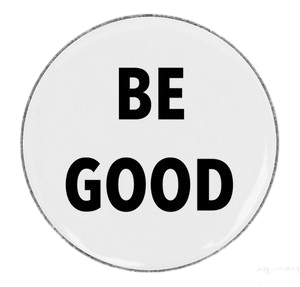
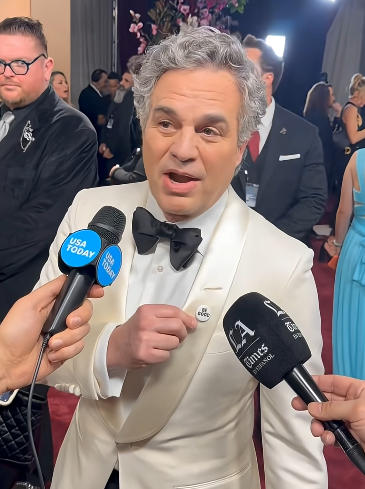
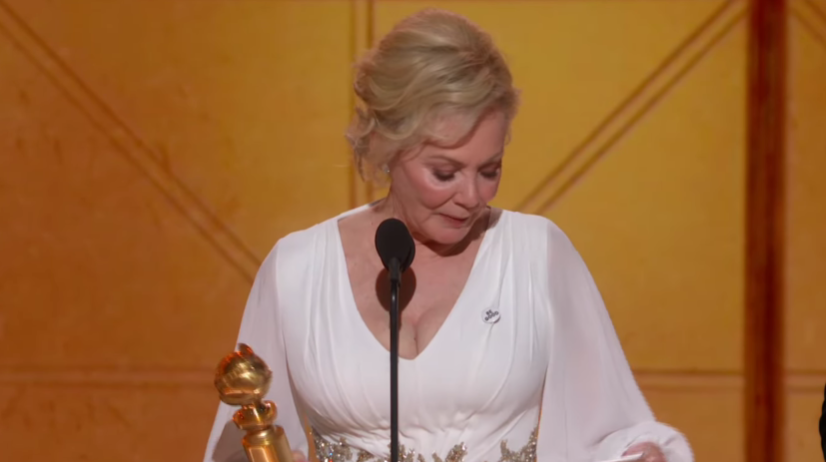
Hollywood’s 2026 Golden Globe Awards weren’t just about red-carpet fashion and noms this year — they became a platform for a growing protest movement. Several stars, including Mark Ruffalo, Wanda Sykes, Natasha Lyonne, and Jean Smart, sported small black-and-white pins reading “Be Good” and “ICE Out” as they arrived for the ceremony.
The pins weren’t a new accessory trend — they were symbols of activism tied to the #BeGood campaign, which aims to honor the lives of Renée Macklin Good and Keith Porter Jr., both U.S. citizens recently fatally shot by agents of U.S. Immigration and Customs Enforcement (ICE).
Behind the Pin Symbols at the Golden Globes
According to advocacy groups behind the effort, the pins were intended as a visual reminder of what it means to show compassion, dignity, and community responsibility in the face of violence and systemic issues connected to immigration enforcement.
Renée Macklin Good, a 37-year-old poet and mother of three, was killed by an ICE agent during a raid in Minneapolis in early January, prompting widespread protests and condemnation from civil rights groups and activists. A separate incident involving Keith Porter Jr. — another U.S. citizen shot by an off-duty ICE officer in Los Angeles on New Year’s Eve — intensified calls for scrutiny of federal enforcement practices.
The movement is supported by a coalition of organizations, including the American Civil Liberties Union (ACLU), MoveOn, the National Domestic Workers Alliance, Working Families Power, and Maremoto, which helped distribute the pins to celebrities ahead of the ceremony.
Celebrities Leveraging a Global Stage
Perhaps the most noticeable face of the movement on Sunday was Mark Ruffalo, who not only wore the “Be Good” pin but explained its meaning in multiple interviews on the Golden Globes red carpet. Ruffalo — an Emmy-nominated actor for his work in HBO’s Task — made clear the gesture was personal, saying it stood for “the people in the United States who are terrorized and scared today,” and explicitly tying it to outrage over the treatment of immigrant communities.
Other Hollywood names who joined the gesture included Wanda Sykes, who echoed that the loss of life in the ICE shootings was “just awful” and emphasized the need to speak up, and Natasha Lyonne, who wore her own “Be Good” pin on the red carpet.
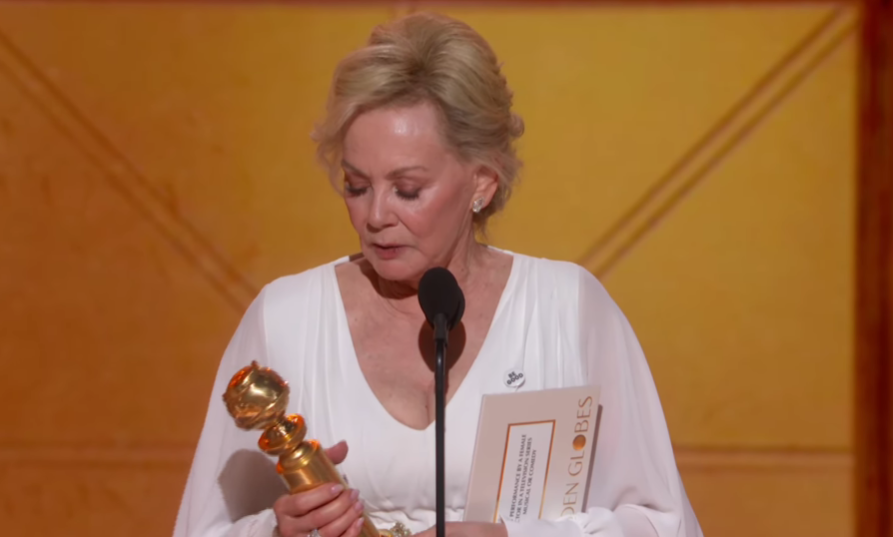
Jean Smart, a Hacks star and Golden Globe winner, also signaled her support — choosing to highlight the campaign during interviews even if she wasn’t always wearing the pin at every moment on camera.
Why The Pin Matters Beyond Hollywood
This activism at a major entertainment event highlights how awards shows have become more than just celebrations of creativity — they are platforms where cultural figures can bring attention to real-world issues and amplify conversations that are otherwise overshadowed by political noise.
In previous years, symbols like the Time’s Up pins and Artists4Ceasefire bracelets have similarly punctuated red carpets as Hollywood engaged with social justice movements. This year’s use of “Be Good” and “ICE Out” pins continues that trend, this time grounded in nationwide outrage over federal enforcement actions and loss of civilian lives.
Supporters of the movement argue that celebrities with enormous visibility have a unique opportunity — and responsibility — to bring attention to pressing human rights issues, using the lens of a global audience to push for empathy, accountability, and change. Critics of such gestures sometimes call them “performative,” but for many of those involved, including the families of victims and grassroots organizers, the visibility itself feels like a necessary step toward public awareness and civic engagement.
Will the Pin Message Last Beyond the Show?
Whether the “Be Good” pins will spark sustained policy discussions or legislative attention remains to be seen. What’s clear is that the Golden Globes moment turned a normally entertainment-centric night into a political and social flashpoint, bridging the gap between celebrity culture and the lived experiences of those demanding justice and humane treatment from federal systems.
You might also want to read: What We Know About ICE Agent Jonathan Ross