Widow Asked to Preserve Husband’s Tattoo to Keep Him ‘Here’
© angelica.schultze / Facebook
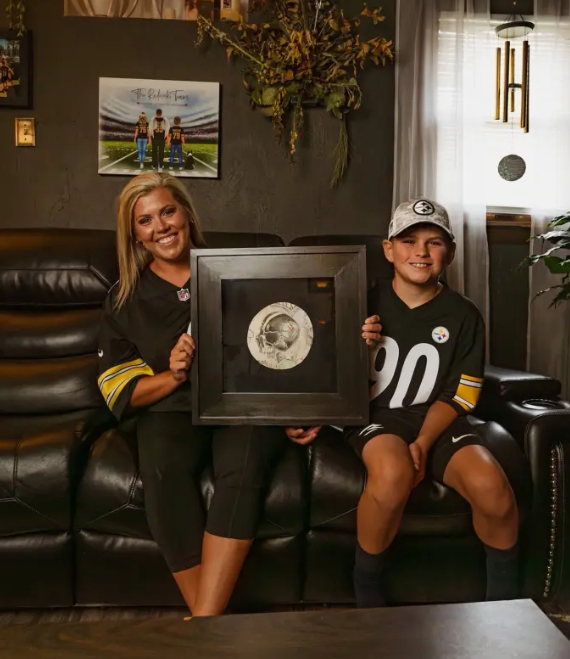
In March, West Virginia nurse Angelica Radevski faced a devastating loss: her husband, TJ, passed away suddenly at just 55. Rather than choosing the usual keepsakes, she opted for something deeply personal: preserving a piece of his tattooed skin as a framed tribute.
The tattoo—a Pittsburgh Steelers helmet with skull imagery—was both a favorite of TJ’s and their 10-year-old son Preston’s. “This is Dad,” Preston declared upon seeing it.
The Details of the Tattoo Preservation
The process began with Angelica marking the exact tattoo on TJ’s arm with a marker. A mortician removed that section of skin, which was then sent to an Ohio company called Save My Ink Forever. The preservation took 90 days.
When the framed piece arrived—encased behind glass in a dark wooden frame—the result was both startling and comforting. It retained TJ’s skin texture, stray hairs, and even the inked lines of his tattoos. “You can see his wrinkles, the ink I kissed goodnight,” Angelica shared emotionally on social platforms.
Why This Felt ‘Right’
Angelica believes this commitment was pre-agreed upon—something she and TJ had discussed.
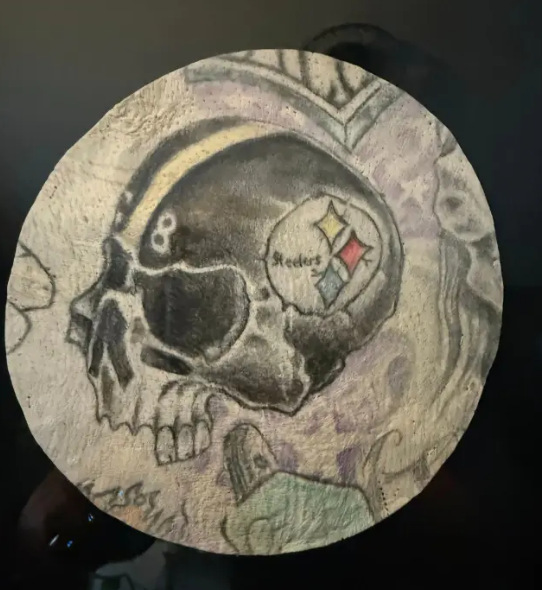
The physical presence of his skin provides a tangible, embodied connection that she and her son say photos or ashes simply couldn’t replicate. “When we want to know he’s here, we can hold the frame,” she says. The piece offers a visceral way to feel his presence again.
Navigating Public Reaction After Posting About the Tattoo
Angelica shared the story via TikTok, where it garnered nearly 30 million views. Responses were mixed—many expressing wonder and support for her unique tribute, while others recoiled, drawing macabre comparisons.
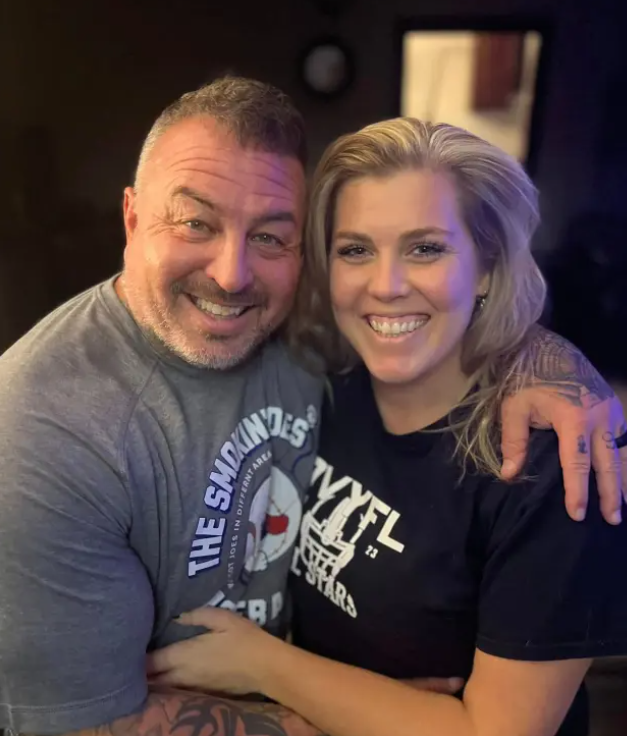
Angelica responded with grace, asserting that personal grief is not up for public judgment.
A Platform for Healing and Advocacy
Beyond the memorial itself, Angelica has used her visibility to encourage more open discussions around grief, funeral planning, and financial preparedness.
Having no life insurance after TJ’s death left the family vulnerable, a burden many were unaware of. She encourages others to proactively plan for the “unthinkable,” framing death conversations as intimate and necessary rather than taboo.
You might also want to read: Iowa Inmate’s Brief “Death” Wasn’t Enough to Annul His Life Sentence