Woman Allegedly Faked Pregnancy & Having a Baby

© XKiraLouise / Facebook
A 22-year-old Scottish woman has come under fire after seemingly faking a pregnancy, staging a birth, presenting a lifelike doll as her newborn, and later claiming the baby had died.
The case, which has shocked friends and family, is now raising questions about the motive, the role of social media, and the response of those around her.
The Timeline of Events
According to reports, the woman, identified as Kira Cousins, allegedly began sharing images of a baby bump, ultrasound scans, and pregnancy posts on social media. She hosted a baby shower, accepted baby gifts worth thousands of pounds, and claimed to have given birth to a girl named Bonnie-Leigh Joyce, weighing over five pounds.

It was only later, when her mother found a realistic doll in her daughter’s room, that the truth began to emerge. Cousins reportedly admitted via a TikTok statement that the “baby” had never existed, and the doll was used to maintain the illusion.
What Motivated the Deception?
Friends say they began to suspect something was wrong when the “baby” never cried, the “mother” refused to allow anyone near the child, and the prosthetic baby bump appeared uneven—held in place by visible straps. One friend called Cousins a “serial liar”, noting a long history of deceit.
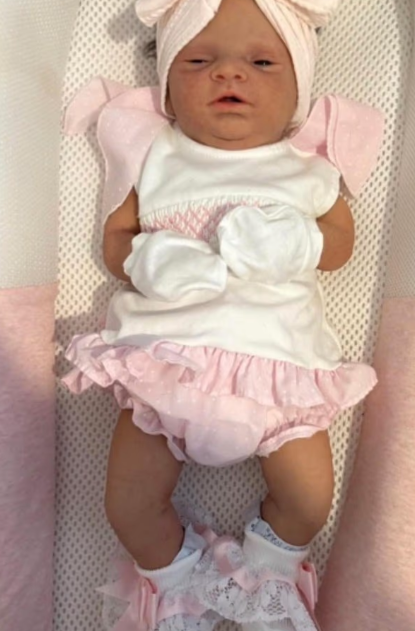
While the official motive is unclear, the behaviour has sparked debate about why someone might create such a scenario—whether it was for attention, psychological need, or something else entirely. Psychologists point to conditions such as pseudocyesis (false pregnancy) or factitious disorder as possible explanations in similar cases.
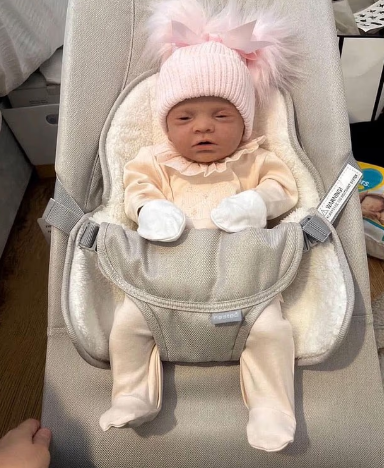
Family, Gifts, and Fallout
Throughout the deception, family members reportedly purchased a pram, car seat, and other newborn gear — some estimates suggest belongings worth over £1,000. When the truth emerged, many felt betrayed. One close friend said, “Everybody believed her… we were all so happy.”

The emotional impact on relatives and friends who invested time and money is now being felt.
Authorities have not yet announced any specific charges, but the case has ignited discussion about how deeply social media and trust can interplay in such personal narratives.
What It Tells Us
- Trust & relationships: This story highlights how deeply people trust friends and family to be truthful — and how damaging betrayal can be.
- Social media’s role: The use of baby bump photos and announcements illustrates how online posts can reinforce illusions and deceptions.
- Mental health awareness: Professionals emphasise the need to understand underlying psychological issues rather than simply dismissing such behaviour as “attention-seeking”.
- Community reactions: For the people around the woman, the incident is more than embarrassment—it’s a real emotional cost.
You might also want to read: The Mysterious Traveler from Taured: Parallel Universe or Elaborate Hoax?