Woman ‘Offers to Help’ Crying Boy, Then Snatches Him

© Miami Dade County
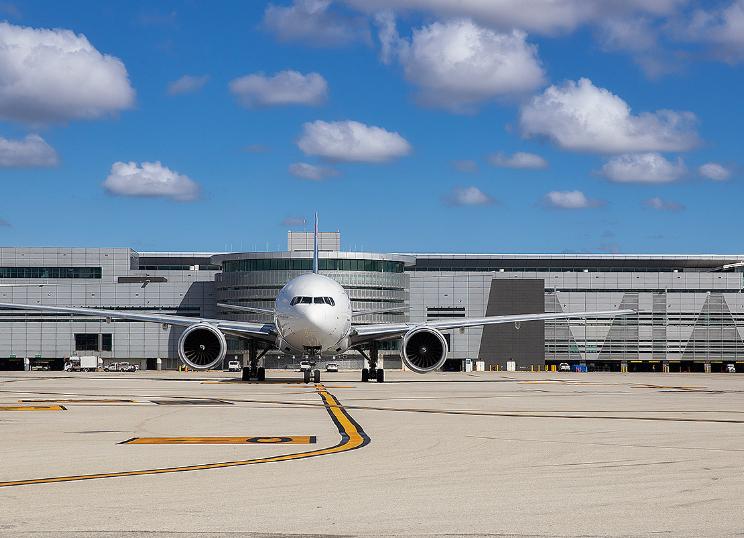
In a terrifying turn of events at Miami International Airport on September 2, 2025, a 23-year-old woman allegedly offered to comfort a distressed 4-year-old at a security checkpoint but instead snatched him from his mother. Deputies identified the suspect as Alvina Omisiri Agba, a British national.
After the mother allowed her to hold the child, Agba began walking away, prompting a frantic chase.
“No, This Is My Child,” Woman Screams at the Airport
When confronted, Agba allegedly wrapped her arms and legs around the child, clinging tightly as the mother attempted to retrieve him. She responded: “No, this is my child.” The emotional scene drew the attention of bystanders and staff, who acted swiftly to protect the child.
A Heroic Bystander Steps In
Among those present was airline employee Naylet Montano, who intervened and secured the boy behind a check-in counter, preventing further harm. Three men later formed a human barrier to keep Agba from reclaiming the child. Agba eventually fled but was apprehended at another airport checkpoint. She told police “God told her to do it” and claimed a nearby rainbow mural would calm the child.
Agba now faces battery and interference with custody charges and is held on a $3,500 bond at Turner Guilford Knight Correctional Center. The boy sustained scratches to his neck but was otherwise unharmed and continued his journey with his mother.
A Pattern of Airport Vulnerabilities
This disturbing incident is not an isolated occurrence, as airports are often hotspots for chaotic trust breaches. Security checkpoints, busy schedules, and overwhelmed parents create opportunities for criminal behavior. Despite tightened security protocols, human unpredictability remains a critical gap—prompting renewed discussions on how airports can better monitor people offering unsolicited assistance.
The Power of Everyday Heroes
In this case, Montano’s quick thinking likely prevented a tragic abduction. Her actions highlight how ordinary people in everyday roles—airline staff, fellow travelers—are often the first line of protection in emergencies. It reinforces how critical training, observation, and confidence are in chaotic public environments—and why bystanders should not hesitate to intervene when safety is at stake.
You might also want to read: