The World’s Oldest Baby Has Been Born Healthy, Marking a Medical Marvel
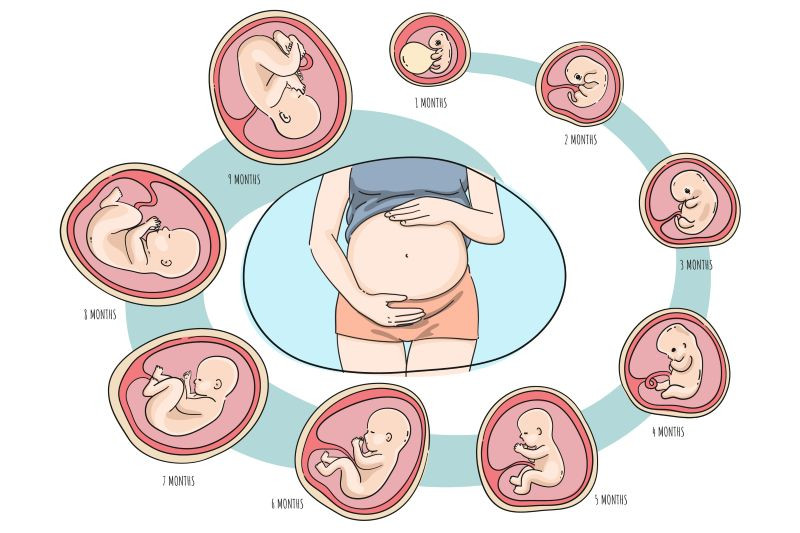
© Freepik
Why is the world’s oldest baby considered a medical marvel?
This is the story of a remarkable child who has captured the world’s attention.
A couple in Ohio welcomed a baby boy, setting a new record in medical history.
How did this happen, and what makes this birth so special?
Let’s explore this incredible journey of science, hope, and family.
A Long-Frozen Beginning
In 1994, a woman named Linda Archerd and her then-husband turned to in vitro fertilization (IVF) after years of struggling to have a child. They created four embryos, one of which became their daughter, now 30 years old, with a child of her own.
The other three embryos were frozen, stored in a clinic, and preserved in liquid nitrogen. For over 30 years, these embryos waited, costing Linda thousands of dollars in storage fees. After her divorce, Linda kept the embryos, hoping they might one day become children. She called them her “three little hopes.”
Years later, Linda decided to donate the embryos through a program called Snowflakes, run by Nightlight Christian Adoptions. This program connects people who want to donate embryos with couples hoping to become parents.
Linda wanted her embryos to go to a family she could meet, not to research or an anonymous couple. She chose a married, Christian couple from the United States, and that’s how Lindsey and Tim Pierce entered the story.
World’s Oldest Baby: A Dream Come True
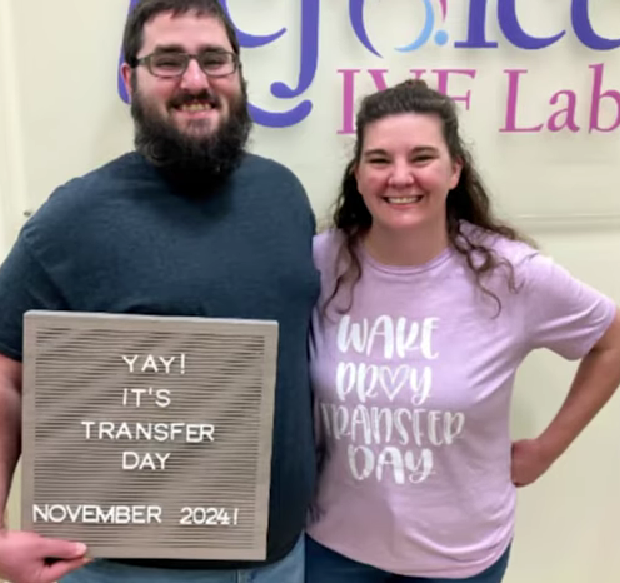
Lindsey and Tim Pierce, a couple from Ohio, had been trying to have a baby for seven years. After many challenges, they learned about embryo adoption and signed up with the Snowflakes program. They were open to any embryos, even ones that had been frozen for a long time.
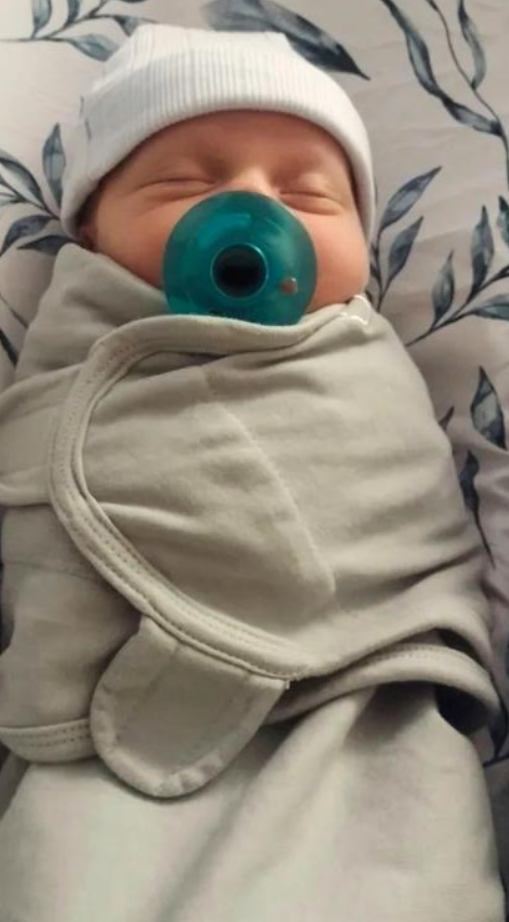
In November 2024, two of Linda’s embryos were transferred to Lindsey’s womb at Rejoice Fertility Clinic in Tennessee. One embryo successfully grew into a healthy baby boy, Thaddeus Daniel Pierce, born on July 26, 2025.
Thaddeus’s birth broke a world record, as he came from an embryo frozen for over 30 years, longer than the previous record set by twins born in 2022 from embryos frozen in 1992. The clinic’s doctor, John Gordon, believes every embryo deserves a chance at life, no matter how long it’s been stored. This belief, combined with advances in IVF technology, made Thaddeus’s birth possible.
A New Chapter for Families
Seeing pictures of Thaddeus brought Linda a mix of emotions. “The first thing I noticed is how much he looks like my daughter when she was a baby,” she said, comparing their photos side by side.
While relieved that her embryos found a home, Linda admitted to feeling sadness that she couldn’t raise them herself and some anxiety about the future. “I wish that they didn’t live so far away from me … He is perfect!” she added. She hopes to meet the Pierces and Thaddeus one day, calling it “a dream come true.”
For Lindsey and Tim Pierce, Thaddeus’s birth was a long-awaited miracle. “We didn’t go into this thinking we would break any records,” Lindsey told reporters. “We just wanted to have a baby.”
Lindsey described the moment she saw Thaddeus as overwhelming: “We had a rough birth, but we’re both doing well now. He is so chill. We are in awe that we have this precious baby.”
Thaddeus’s story is more than a record-breaking moment. It shows how far science has come in helping families grow. Embryo adoption offers a unique path for couples who can’t conceive naturally, giving them a chance to experience pregnancy and parenthood. It also raises questions about the millions of embryos stored worldwide.
What should happen to them? How long can they be preserved? Thaddeus’s birth proves that embryos can remain viable for decades, offering hope to many.
Their story reminds us that science and determination can create new possibilities, connecting people across time and bringing families together in unexpected ways.
You might also want to read: Big News in Genetics! Japanese Scientists Remove the Extra Chromosome Causing Down Syndrome