Worms Living Near Chernobyl Nuclear Plant Have Developed a ‘Super Power’

©️ B.C. Begley / YouTube
In the quiet soil near the site of the 1986 Chernobyl nuclear disaster, scientists have found something remarkable: worms that seem to be unharmed by radiation levels that would damage most living creatures.
This new research suggests that these tiny creatures may have developed a kind of natural resistance to harsh environmental conditions.
These aren’t science-fiction creatures. They are real, living nematodes, microscopic worms with simple genetic structures. Yet what researchers discovered could change how we think about evolution, survival, and genetic protection in extreme environments.
The Chernobyl Worm Study: What Scientists Found
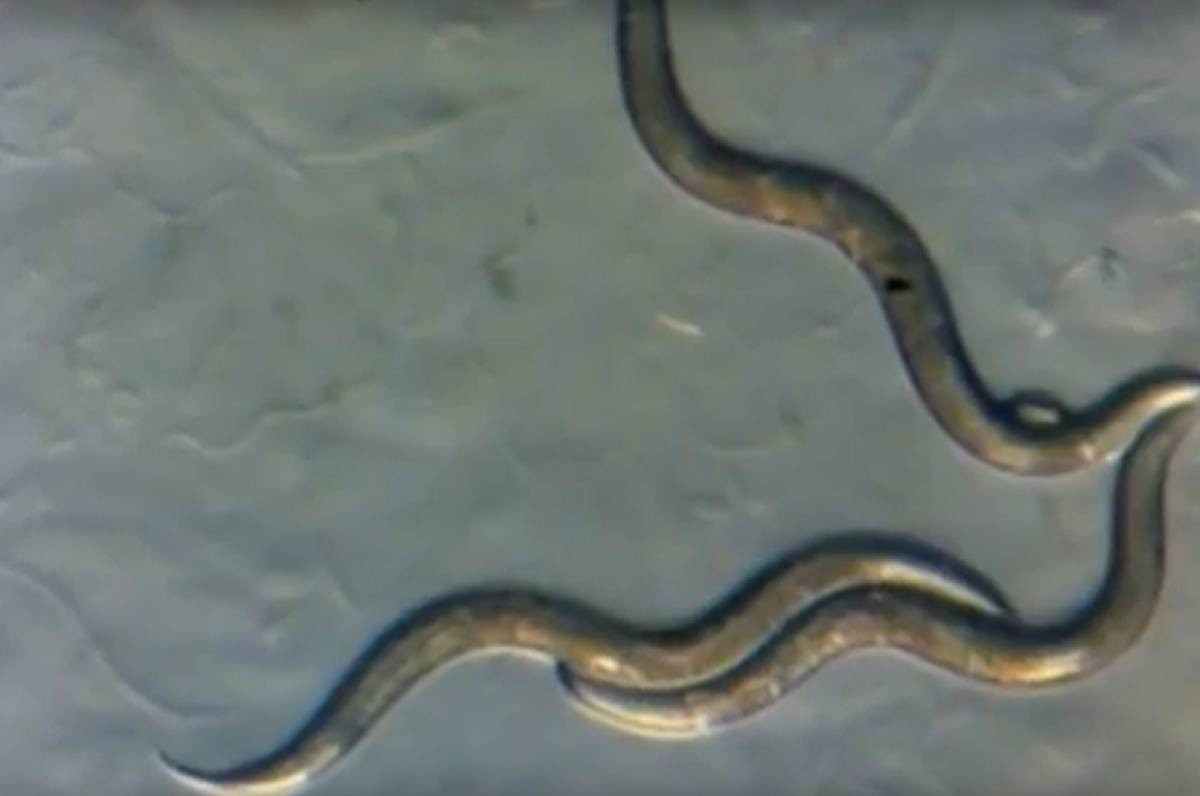
In a recent study, scientists from New York University and the University of Oregon traveled to Chernobyl’s Exclusion Zone to collect samples of nematodes.
These worms were gathered from soil, rotting fruit, and debris — the places they naturally live. Some of the areas had radiation levels similar to big cities, while others had radiation levels comparable to outer space.
After collecting the samples, the worms were frozen and brought to New York for further study.
Key discoveries included:
- Despite high radiation exposure, the worms’ genomes were undamaged.
- 20 genetically unique worms were tested, showing natural variation, not necessarily mutation.
- These worms did not evolve new powers but may have had pre-existing resistance to radiation.
Dr. Sophia Tintori, lead researcher said:
“Chernobyl was a tragedy of incomprehensible scale, But we still don’t have a great grasp on the effects of the disaster on local populations. Did the sudden environmental shift select for species… naturally more resistant to ionizing radiation?”
This quote highlights an essential idea, nature might have quietly selected for survival traits in the decades after the explosion.
Why This Matters: Understanding Natural Resistance

This research doesn’t mean Chernobyl is safe, but it raises interesting questions. Could these worms help scientists understand how DNA repairs itself under stress? Could studying their biology lead to future breakthroughs in medicine, genetics, or even space travel?
As Professor Matthew Rockman explains:
“These worms live everywhere, and they live quickly, so they go through dozens of generations of evolution while a typical vertebrate is still putting on its shoes.”
Because they reproduce so fast, these worms allow researchers to study changes across generations in a very short time.
Takeaways from the study:
- Worms in Chernobyl may carry natural genetic resilience, not science-fiction mutations.
- Studying these creatures could help us understand how some life survives in extreme conditions.
- This resilience may exist in many more species than we once thought.
Watch this video for the full story:
You might also want to read: Pregnancy Brain: Why and How Does It Happen?