“WWIII Is Inevitable” — Russia Sounds Alarm Over Europe
© Барвенковский
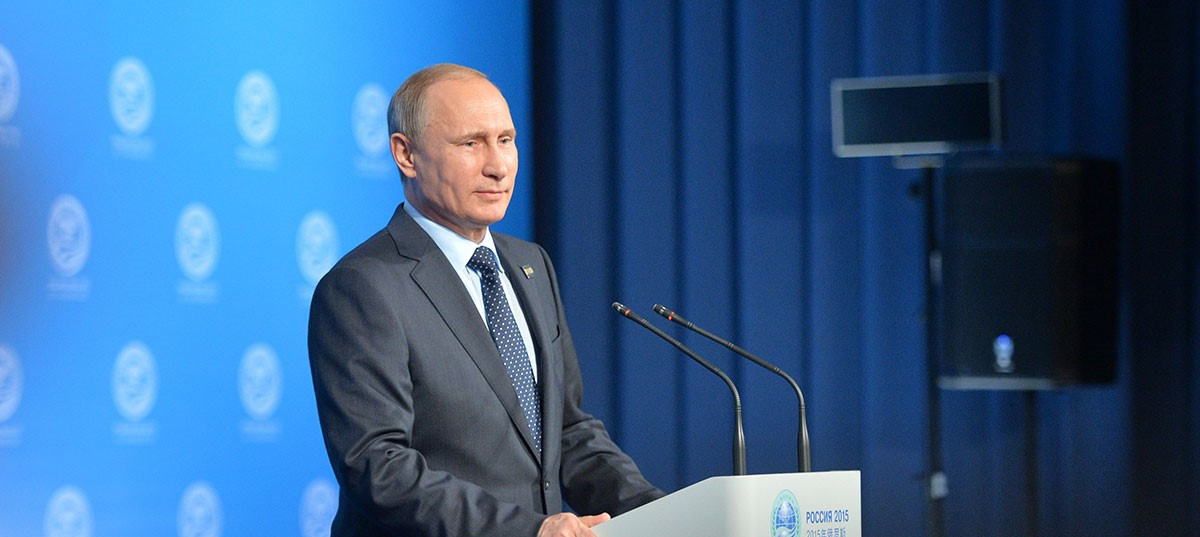
The deputy foreign minister of Russia, Alexander Grushko, issued a stark warning on December 4, 2025. He claimed that Europe is “actively preparing for war” and described a looming military confrontation as “inevitable.
What Grushko Said — Europe Is Preparing for War
According to Grushko, moves by the NATO and the European Union — including increased military spending, mobilizations, and defense preparations — mean that confrontation isn’t just possible, but likely. He argued that Europe is building economic, societal, and military readiness for conflict, signaling to Russia that time is running out.
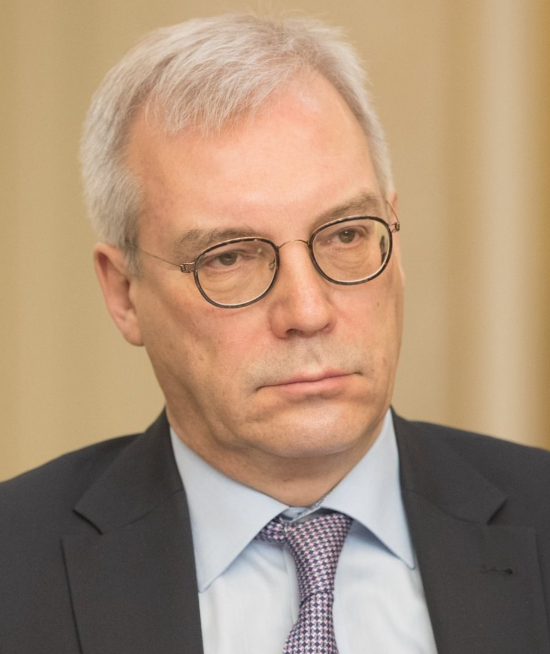
He also criticized broader European security architecture, calling the current arms-control regime in Europe compromised and accusing institutions like the OSCE of becoming instruments of Western military policy.
Russia Sends a Message to the West and Its Allies
Grushko’s declaration stands out for how blunt and alarm-raising it is. “War is inevitable” isn’t diplomatic rhetoric — it’s a warning, or a threat, depending on how you interpret it.
- For Western nations, it underscores that Russia sees recent NATO and EU moves not as defense-building but as direct provocation — a red line from Moscow’s perspective.
- For smaller European states, the statement may stoke fears of escalation, destabilization, and the collapse of European security norms.
- For global watchers, it signals that arms-control, diplomacy, and previously stable alliances may be unraveling — with serious consequences for peace in Europe.
Pattern of Military Tension and Warning From Moscow
This isn’t the first time Grushko has voiced such views. Over 2025 he repeatedly accused NATO and Western powers of aggressive intent, claiming that Moscow must “prepare for the worst.”
Just days before the latest statement, Russia announced that its top foreign-policy official — Sergei Lavrov — would skip a major meeting of OSCE foreign ministers. Grushko replaced him, signaling a shift in how Moscow plans to engage (or disengage) in European security diplomacy.
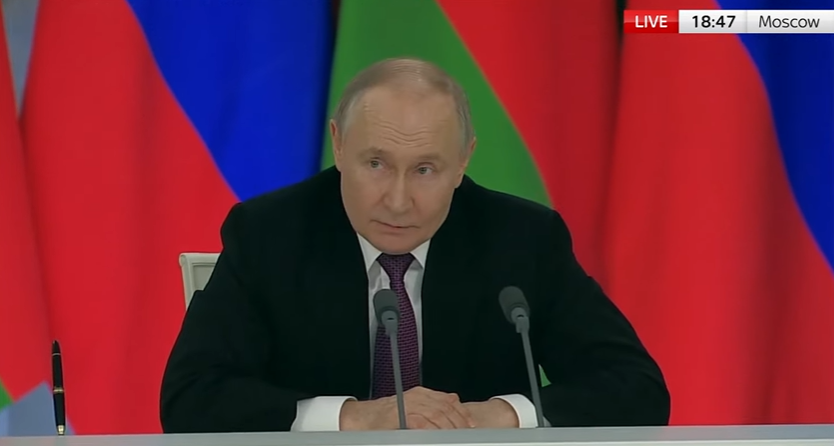
The backdrop: increased military exercises, expanded NATO presence on Russia’s borders, and ongoing conflict in Ukraine. From Moscow’s point of view — at least as voiced by Grushko — these developments amount to a concerted push toward confrontation.
What’s Likely to Happen — Reactions, Risks & What to Watch
Possible outcomes in the near future:
- Heightened diplomatic tension: European countries may respond publicly, ramp up defense readiness, or call for new arms-control talks — if they still believe dialogue is possible.
- Escalation risk: With rhetoric this strong, even a minor incident (border skirmish, miscalculation) could spiral into a larger crisis.
- Propaganda and information campaign: Expect Moscow to use Grushko’s words to rally domestic support, painting Russia as defending itself against a hostile West.
- International polarization: Allies of Russia may rally; Western countries and NATO members may increase military cooperation and readiness, widening the divide.
Given how sharply Grushko framed his warning — as “inevitable” war rather than a possibility — the coming days and weeks could be decisive in shaping Europe’s security future.
You might also want to read: Trump Threatens Russia: “We Might Send Tomahawks”