FAA Halts Departures at Every U.S. Airport After Air Traffic Control Communication Problem

© Tony Webster / Wikimedia Commons (CC BY-SA 2.0, cropped)
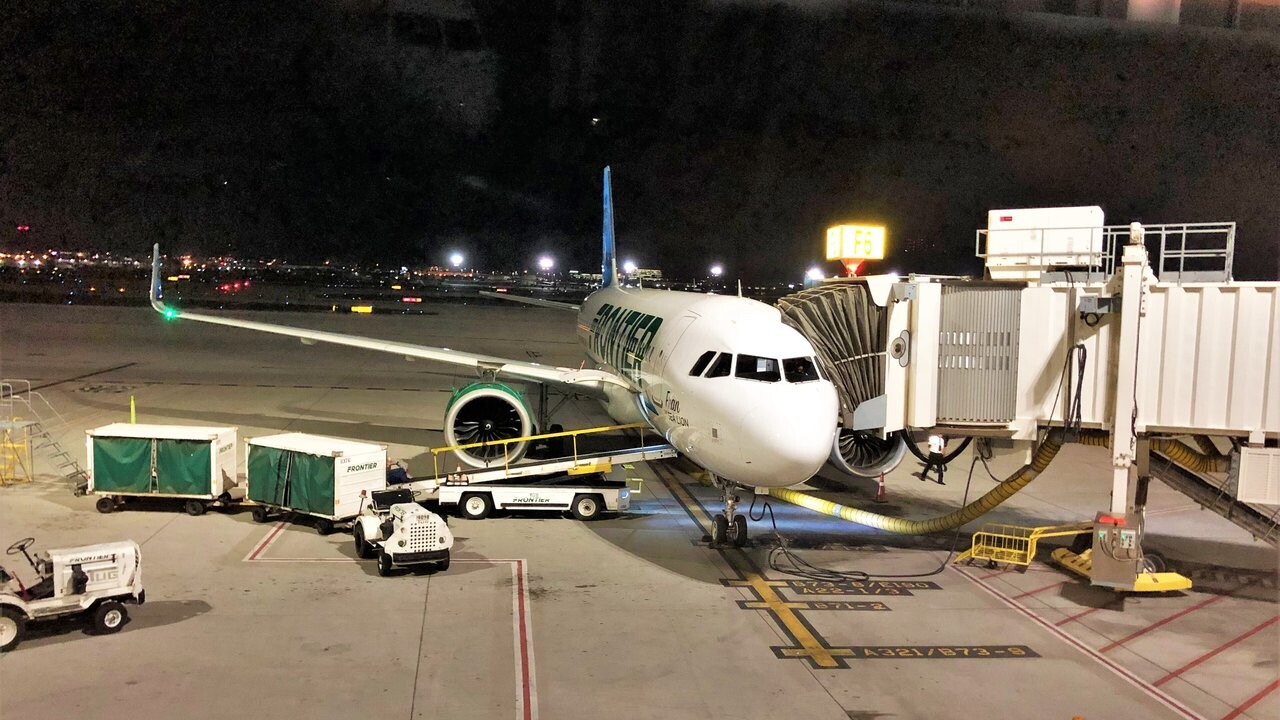
Travelers across the United States were stuck at the gate on Friday after the Federal Aviation Administration stopped all departing flights nationwide.
The FAA issued the rare nationwide ground stop at 3:54 p.m. ET on Friday, November 13, citing “extraordinary circumstances” and “reasons of safety.” Planes already in the air were allowed to land.
Here’s what we know so far, and what passengers can do. This is a developing story.
What Happened?
Transportation Secretary Sean Duffy said on X that the FAA “issued a nationwide ground stop for all U.S. airports following a communication issue impacting all Air Route Traffic Control Centers.”
Those 22 centers guide planes flying at high altitude, above 18,000 feet. “FAA technicians are investigating the issue. We will provide immediate updates as we have them,” Duffy added.
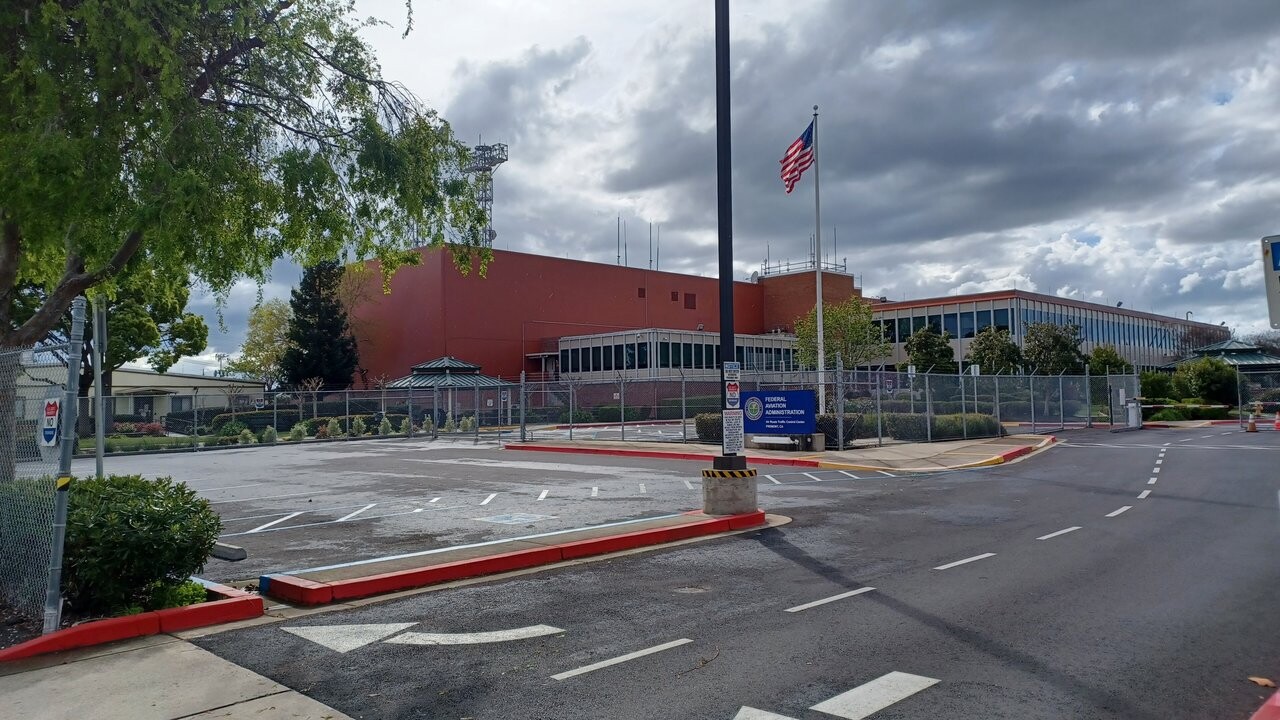
The FAA’s official advisory said all departing traffic “should remain ground stopped until further notice,” while inbound international flights would be managed case by case. The advisory’s time window ran until 11 p.m. ET.
Earlier in the afternoon, Chicago’s O’Hare and Midway airports had already been placed under ground stops because of an equipment outage.
Air traffic watchers shared updates online as the stop unfolded. The account @theATCapp posted what it described as a report from Seattle controllers:
How Big Is the Disruption?
By about 4:30 p.m. ET, the flight-tracking site FlightAware counted more than 6,500 delays and 331 cancellations within, into or out of the U.S., and the numbers were expected to grow.
It is only the second nationwide ground stop since the September 11, 2001, attacks, according to ABC News. The last one, on January 11, 2023, was caused by a failure of the NOTAM system that sends safety notices to pilots, and it lasted less than two hours.

What Passengers Can Do
- Check your flight status in your airline’s app or website before heading to the airport.
- Know your refund rights. Under federal rules, if your flight is canceled, or delayed by three hours or more on a domestic trip (six hours on an international one), and you choose not to travel, you are entitled to a full refund, including taxes and fees.
- Refunds have deadlines. Airlines must pay within seven business days for credit card purchases and within 20 calendar days for other payment methods.
- No cash for delays. There is currently no federal rule requiring airlines to pay cash compensation for delays.
What We Don’t Know Yet
The FAA has not said what caused the communication problem or when flights will fully resume. Final numbers on delays and cancellations are still changing.
This article will be updated as more information becomes available.
Sources:
- CBS News: FAA issues nationwide ground stop
- NBC News: FAA orders nationwide ground stop
- CNBC: FAA ground stop
- ABC News: Nationwide ground stop ordered
- eCFR: 14 CFR 260.6, airline refund rules
You might also want to read: Passengers Eat Passports Mid-Air, Flight Diverted After “Chaos”