First Widespread Freeze of the Season Hits Millions: How Older Adults Can Stay Safe

© cottonbro studio / Pexels
Winter is making an early appearance across much of the South and East this weekend.
“This weekend the nation will see its first widespread freeze event of the season,” NBC News senior meteorologist Kathryn Prociv reported, with frost and freeze alerts from eastern Oklahoma to the coastal Carolinas and as far south as southern Alabama.
Here’s where it will be coldest, and how older adults can stay safe as temperatures drop.
Where It Will Freeze
As of Friday afternoon, the National Weather Service had freeze warnings in place across parts of 12 states: Alabama, Arkansas, Delaware, Georgia, Louisiana, Maryland, Mississippi, North Carolina, New Jersey, Oklahoma, Pennsylvania and Virginia.
Lows could drop to 24°F in north Georgia on Sunday morning, 26°F in north Alabama and Arkansas, and 27°F around Raleigh. Cities in the freeze zone include Tulsa, Little Rock, Birmingham, Atlanta and Raleigh. The coldest hours are expected between midnight and 9 a.m. on Saturday and Sunday.
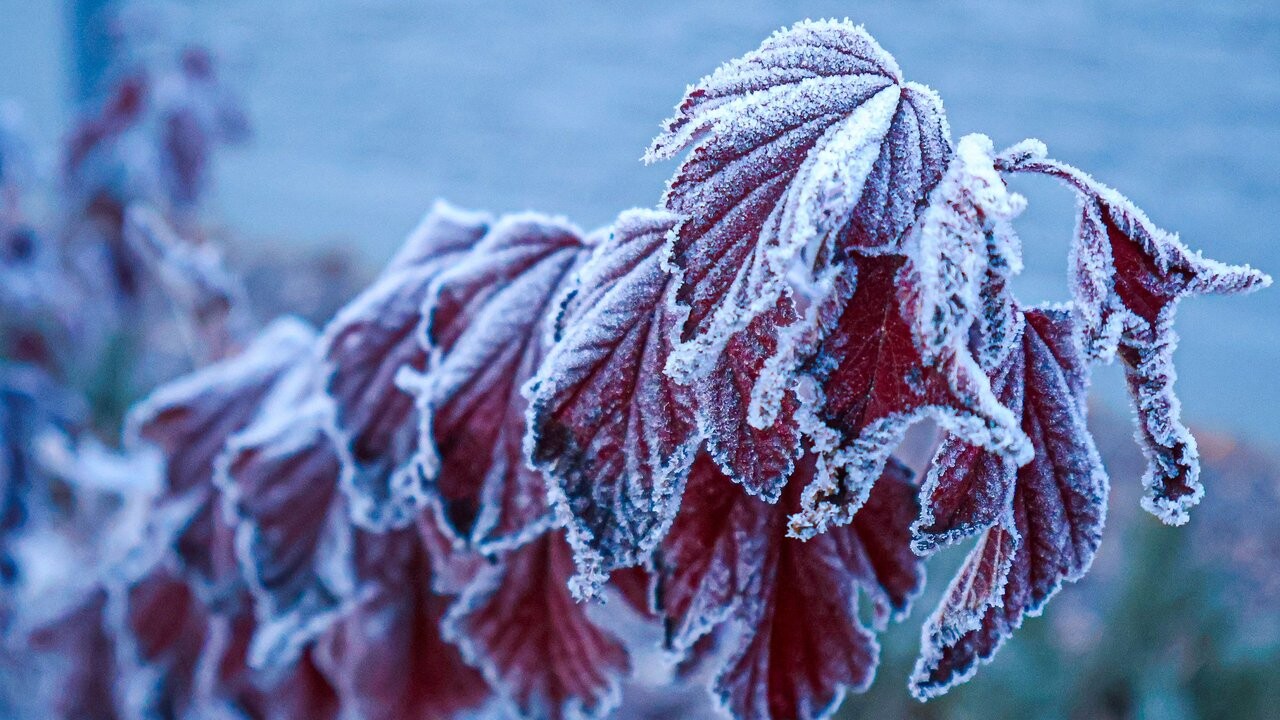
The weather service warns that the freeze could kill sensitive plants and damage unprotected outdoor pipes. To keep pipes from freezing, it advises to “wrap or drain or allow them to drip slowly.”
Why the Cold Is Riskier for Older Adults
“Older adults are more susceptible to health problems caused by cold,” the CDC says. As we age, the body can lose heat faster and may not sense cold as well.
The biggest danger is hypothermia, which happens when the body’s core temperature drops below 95°F. According to the National Institute on Aging (NIA), it can happen indoors too: “Even mildly cool homes with temperatures from 60 to 65°F can lead to hypothermia in older adults.”
How to Stay Safe
- Keep the heat up. The NIA recommends setting your thermostat to at least 68°F.
- Dress in layers, even indoors, and use blankets at night.
- Know the warning signs of hypothermia: shivering, cold hands and feet, pale skin, slurred speech, confusion or unusual sleepiness. “Hypothermia is a medical emergency,” the NIA says. Call 911 right away.
- Protect against carbon monoxide. The CDC advises installing a battery-operated carbon monoxide detector and testing it monthly. Never heat your home with a gas oven.
- Check in on each other. “If you live alone, ask a family member or neighbor to check on you daily,” the National Weather Service advises.
Carbon monoxide is “an odorless, colorless gas that can cause sudden illness and death if inhaled,” the CDC says. Furnaces, portable generators and charcoal grills can all produce it. Each year, more than 400 Americans die from accidental CO poisoning not linked to fires, and more than 100,000 visit an emergency department.
A few simple steps this weekend can make sure the season’s first freeze stays just that: a chilly start to winter.
Sources:
- NBC News: Weekend storm brings first widespread freeze
- National Weather Service: Winter weather warnings
- National Institute on Aging: Cold weather safety for older adults
- CDC: Preparing for a winter storm
- CDC: Carbon monoxide poisoning basics
- National Weather Service: During extreme cold
You might also want to read: How Often Should Adults Over 65 Shower? What Dermatologists and Aging Experts Recommend