The K-Pop Girl Group That Did Blackface as a Concept
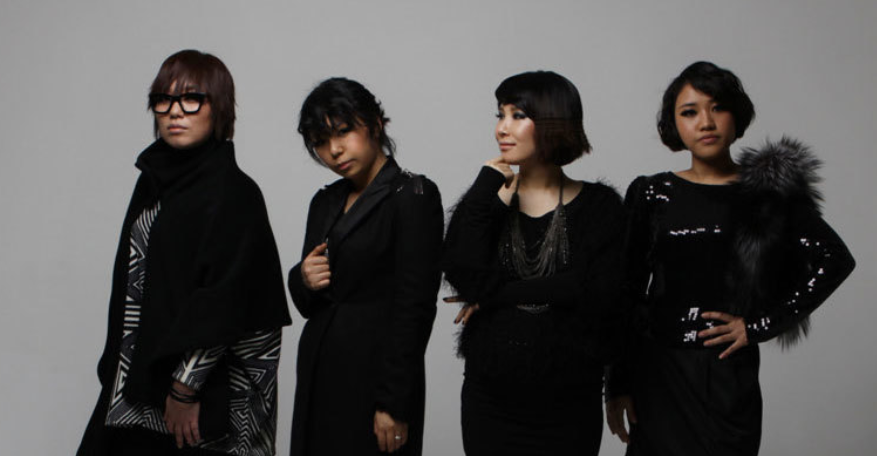
© Bmublik
Every few months, the internet collectively stumbles upon an old piece of pop culture that instantly raises the same question: how did this ever happen? That’s exactly what’s happening now after images of a past Bubble Sisters concept — widely criticised for featuring blackface — resurfaced online.
The revelation has sparked disbelief, anger, and renewed conversations about accountability in K‑pop, especially as many fans only just realised the group is still active today.
What Resurfaced and Why It’s Going Viral
The controversy centres on a Bubble Sisters concept from the early 2000s that included members appearing in darkened makeup widely interpreted as blackface. Screenshots and clips from performances and promotional material began circulating again on social media, quickly gaining traction among international fans.
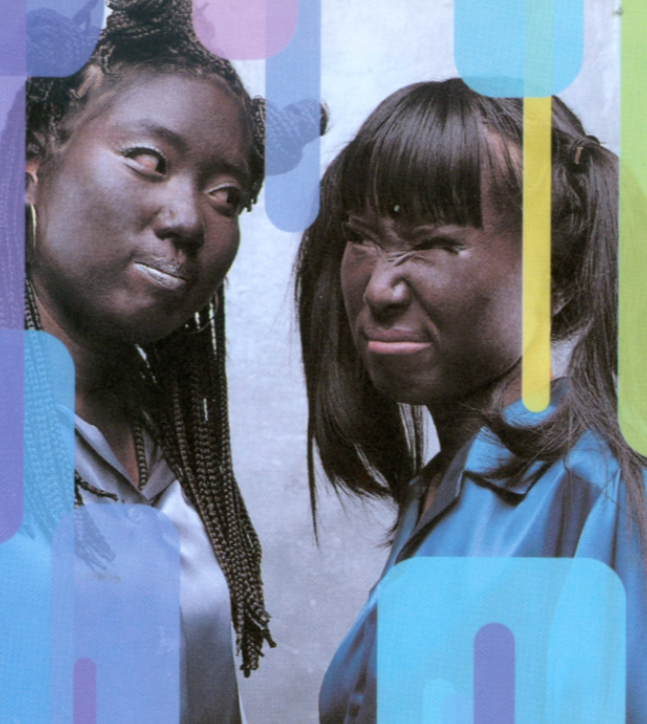
Many users expressed shock not only at the imagery itself, but at how openly it was once presented — and how little context or warning accompanied it when rediscovered years later.
Online Reaction: ‘How Is This Real?’
As the images spread, reactions poured in across X, TikTok, and Reddit. A recurring theme in the responses was disbelief that such a concept was ever approved, let alone performed publicly.
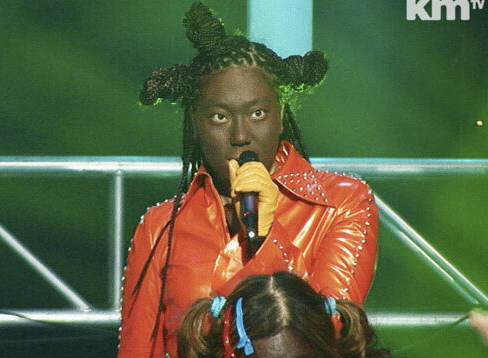
Fans also questioned how the incident managed to fade from mainstream discussion for so long, with some admitting they had never even heard of Bubble Sisters before the images went viral again.
The Bigger Shock: Bubble Sisters Are Still Active
What truly amplified the backlash was the discovery that Bubble Sisters are still an active group. For many newer K‑pop fans, the name itself was unfamiliar — making the contrast between the outdated concept and the group’s continued presence even more jarring.
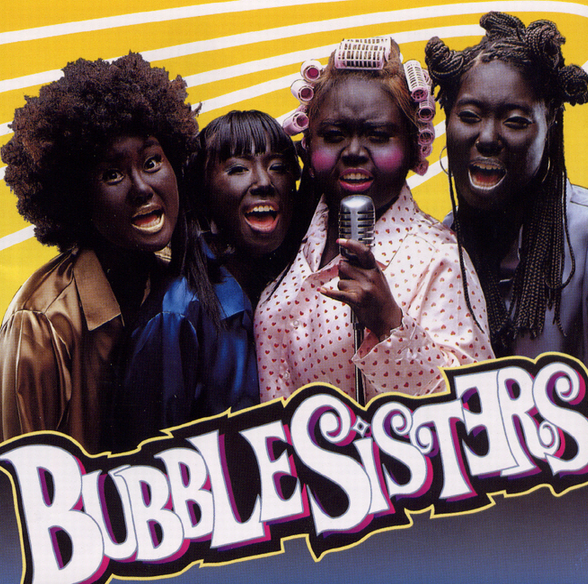
This led to broader discussions about generational gaps in K‑pop fandom and how older controversies are often unknown to newer audiences until they resurface unexpectedly.
Conversations About Accountability in K‑Pop
The resurfacing has reignited long‑running conversations about cultural sensitivity, especially in earlier eras of K‑pop when global audiences were not yet a primary focus.
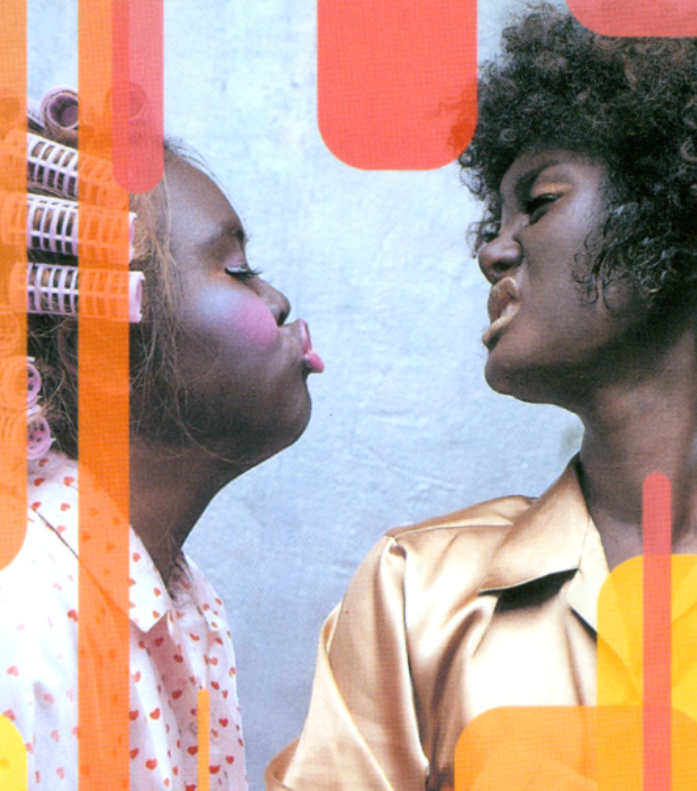
Many fans pointed out that while standards have evolved, revisiting these moments still matters — not to cancel retroactively, but to acknowledge harm and understand why such concepts are unacceptable.
Others argued that companies and artists should address past controversies transparently when they resurface, rather than allowing them to circulate without context.
Why Moments Like This Keep Reappearing
With archives, fan accounts, and old footage more accessible than ever, past concepts are increasingly being viewed through a modern lens. When they clash sharply with today’s values, backlash is almost inevitable.
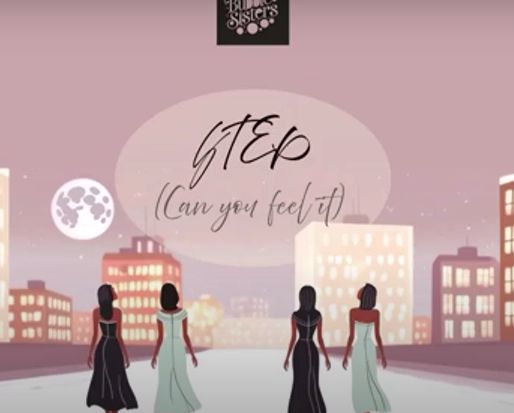
The Bubble Sisters controversy is another example of how the internet never really forgets — and how cultural conversations continue long after the original moment has passed.
You might also want to read: Facts About the Latest K-Pop Sensation Known As NewJeans