Mom Defends Putting Twin Babies in Helmets for 23 Hours

© Madeline Lawrence
When Madeline Lawrence noticed something unusual about her baby twins’ head shapes, she learned they had a condition called plagiocephaly, a form of skull asymmetry often referred to as flat head syndrome. But what do helmets have to do with anything?
Doctors told her the twins — Nico and Ash — would benefit from wearing protective, custom-fitted helmets to help reshape their skulls as they grow, and that meant wearing them for up to 23 hours a day.
Why the Helmets?
Lawrence, a mother of three who began sharing her experience on TikTok, didn’t initially recognize the problem herself. She had routinely put hats on the babies because they were born small and struggled with body-temperature regulation. Only after noticing abnormal flattening did she seek medical advice and learn about the condition.
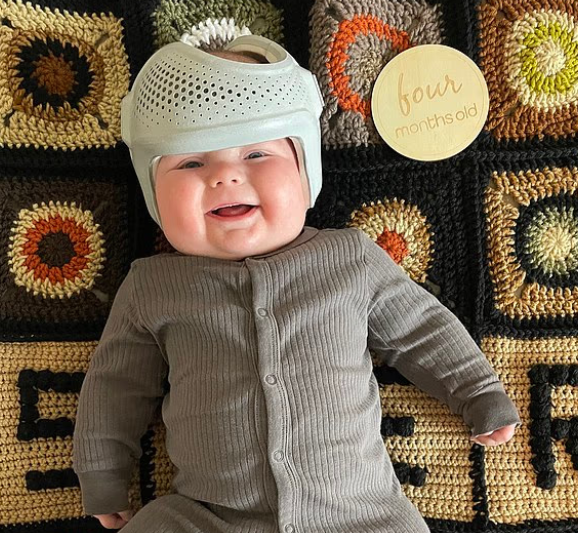
Helmet therapy is a non-surgical, medically recommended treatment for moderate cases of plagiocephaly. Most parents are instructed to have infants wear the helmets for about 23 hours a day, with short breaks for meals, bathing, and cleaning. This therapy takes advantage of the malleability of infants’ skulls, helping to correct flat spots more effectively when started early and worn consistently.
Viral Reaction and Backlash
Videos of the twins going about their day while wearing the helmets quickly went viral on social media. While some viewers praised the family’s openness and educational posts, others reacted with concern and criticism about the practice — prompting Lawrence to publicly defend their choice.
Commenters expressed concern that the helmets might be extreme or unnecessary. Still, Lawrence emphasized that the helmets were prescribed by professionals and are intended to support the children’s long-term development. Medical experts say that plagiocephaly is usually harmless in terms of brain function but can cause facial asymmetry if left untreated. Helmets are one of the standard treatment options for significant cases.
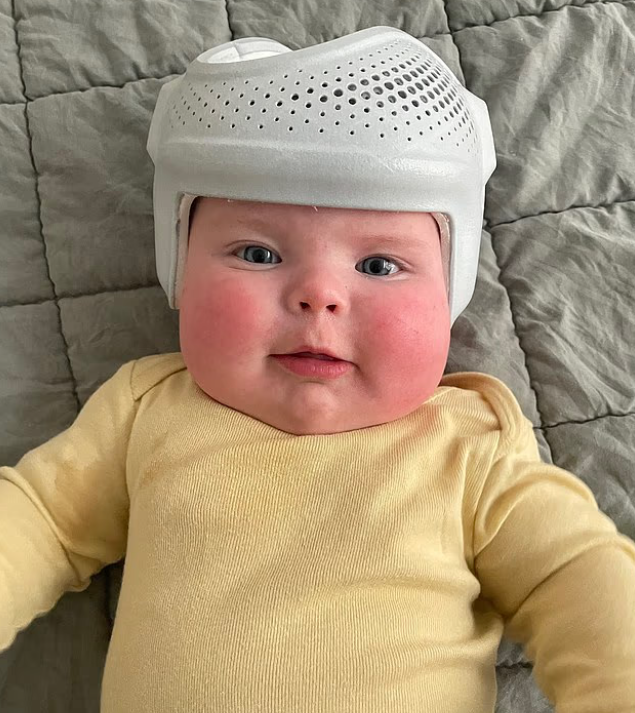
Rather than shying away, Lawrence has started sharing not only videos of the twins wearing the helmets but also their “helmet break” moments, where the babies get a short time without the device. She has said this transparency helps other parents understand what the treatment really looks like and helps reduce stigma around it.
What Experts Say
Plagiocephaly affects many infants, especially twins or babies who spent significant time in the same position in the womb or have limited space early on. In most cases, simple repositioning and tummy time help correct mild flattening. However, for more pronounced skull asymmetry, cranial remolding helmets are often recommended.
Helmet therapy typically involves a custom fit based on 3D imaging so that the device guides the skull’s growth without restricting normal activities such as feeding, sleeping, or play. Doctors generally advise consistent wear — often up to 23 hours daily — because infants’ bones are most adaptable during their first few months of life.
Although the topic drew online debate, Lawrence says her goal in sharing the twins’ journey is to help educate other parents who may not know this treatment exists or may feel unsure about pursuing it. She hopes showing real-life progress can reduce stigma and support families navigating similar decisions.
You might also want to read: Why Are These Parents Smashing Eggs on Their Kids’ Heads?