1930s Gangsters: What the FBI Files Confirm

Al Aumuller, World Telegram staff photographer / Wikimedia Commons, Public domain (cropped)
These gangsters and lawmen became American folklore, but the federal record often tells a narrower story. Jurisdiction, evidence, arrests, and convictions matter more than colorful nicknames.
Arranged roughly by when each figure enters the federal story, this gallery draws on FBI histories, released case files, and National Archives court records. Its photo plan favors archival portraits and mug shots, without weapons, smoking, alcohol, or death scenes.
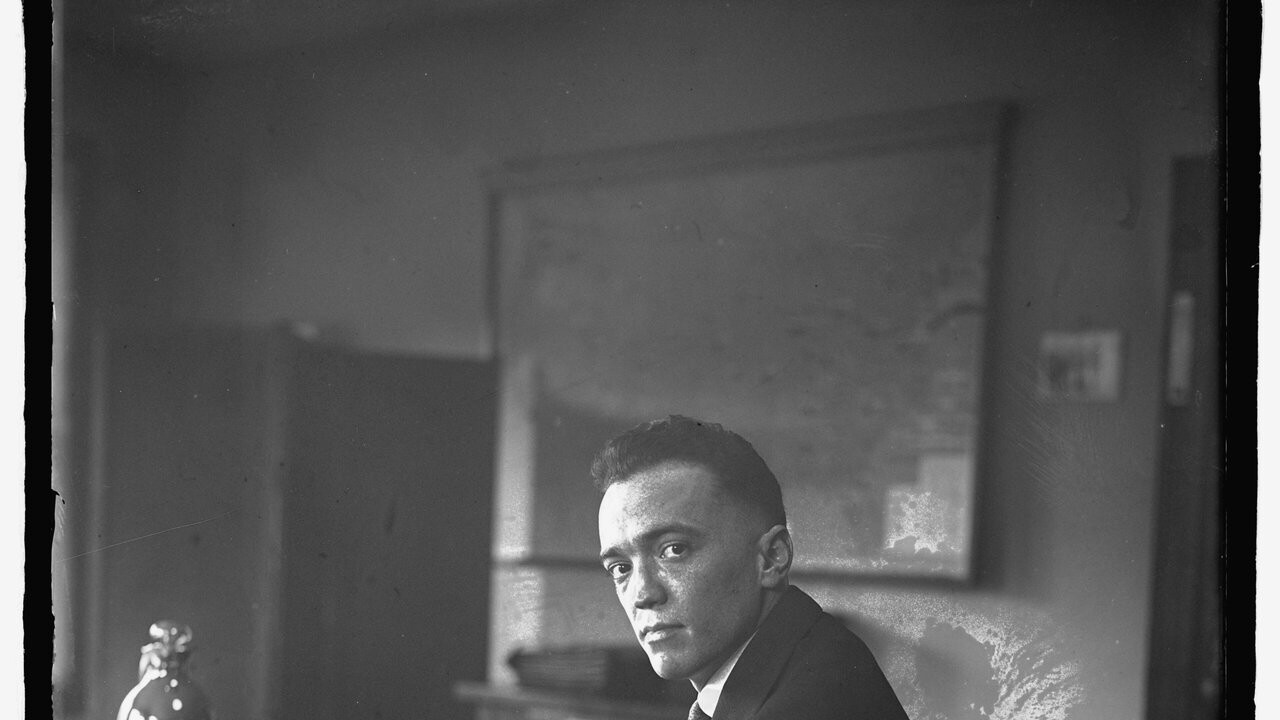
1924: J. Edgar Hoover Takes Charge
J. Edgar Hoover took charge of the Bureau of Investigation in 1924. The FBI’s biography says he tightened applicant screening with background checks, interviews, and physical tests. Those administrative changes sound less dramatic than a manhunt, yet they helped shape the institution that would pursue the decade’s best-known public enemies.
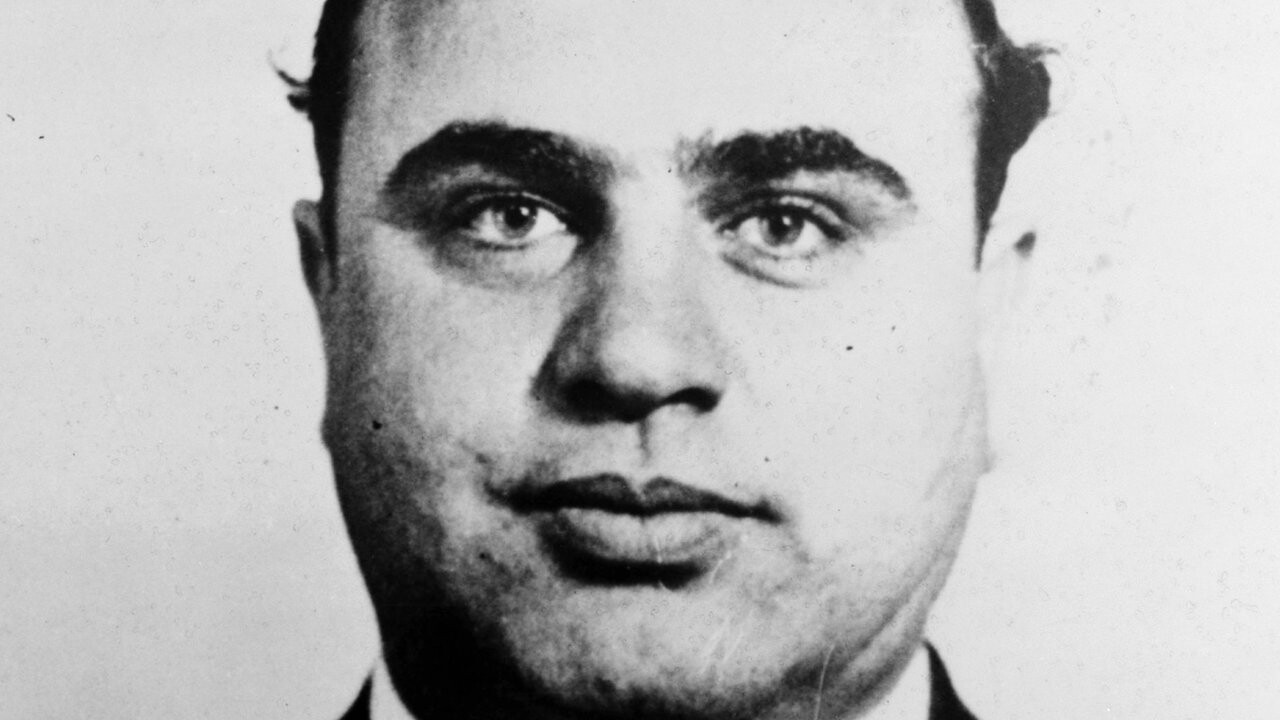
1931: Al Capone’s Tax Conviction
Al Capone’s reputation can blur the narrower federal record. National Archives court records show that a federal jury convicted him of tax evasion for failing to pay taxes on illegal earnings. The documented outcome in 1931 was a financial prosecution, not a sweeping federal verdict on every crime linked to his Chicago organization.
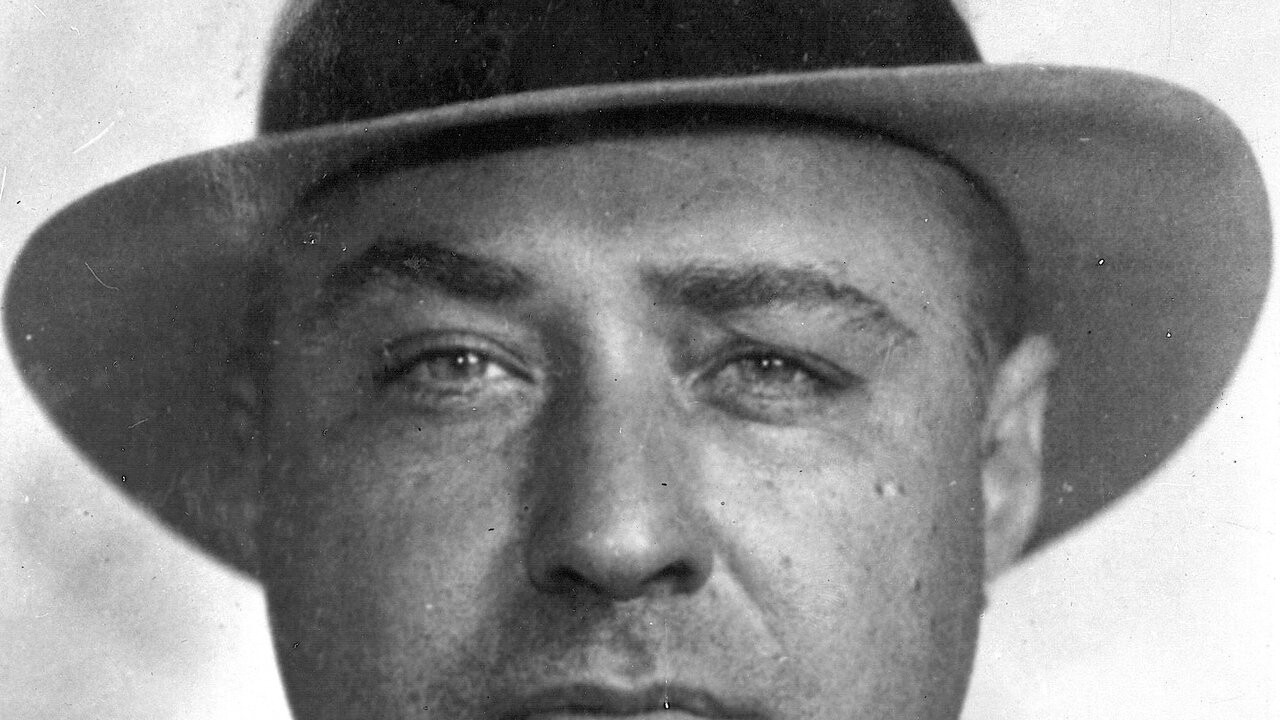
1933: Machine Gun Kelly’s Legend Meets the Record
The famous surrender plea attributed to George “Machine Gun” Kelly is shakier than the case itself. The FBI says he probably never uttered it. What is firmly documented is that George and Kathryn Kelly were convicted in 1933 and received life sentences. The legal outcome matters more than the theatrical words attached to his arrest.
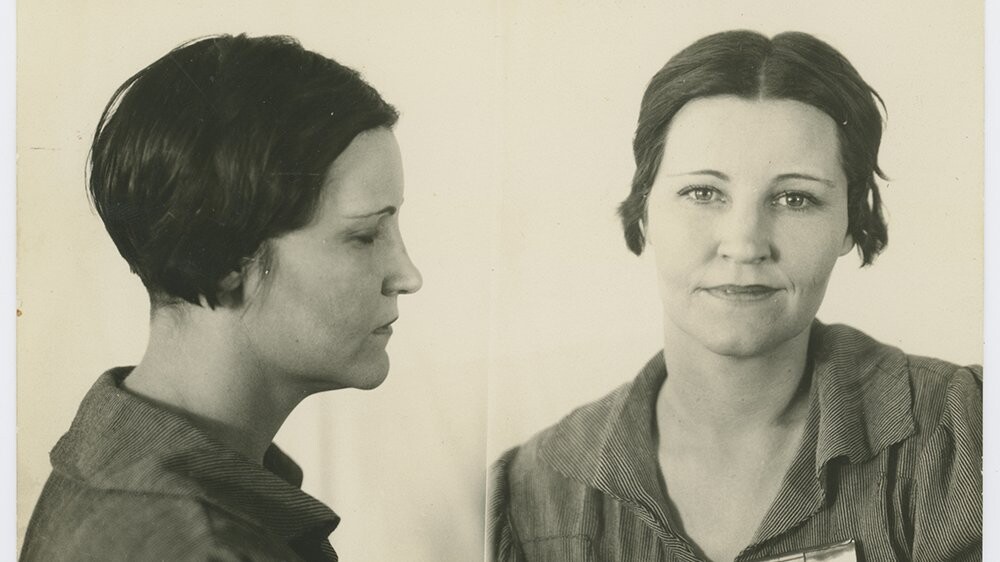
Kathryn Kelly Was an Active Participant
Kathryn Kelly was not merely a bystander in George Kelly’s case. An FBI memorandum described her as a very active principal in the Urschel kidnapping. That official characterization places her inside the crime itself, giving her a more consequential role than the passive companion sometimes presented in popular retellings.
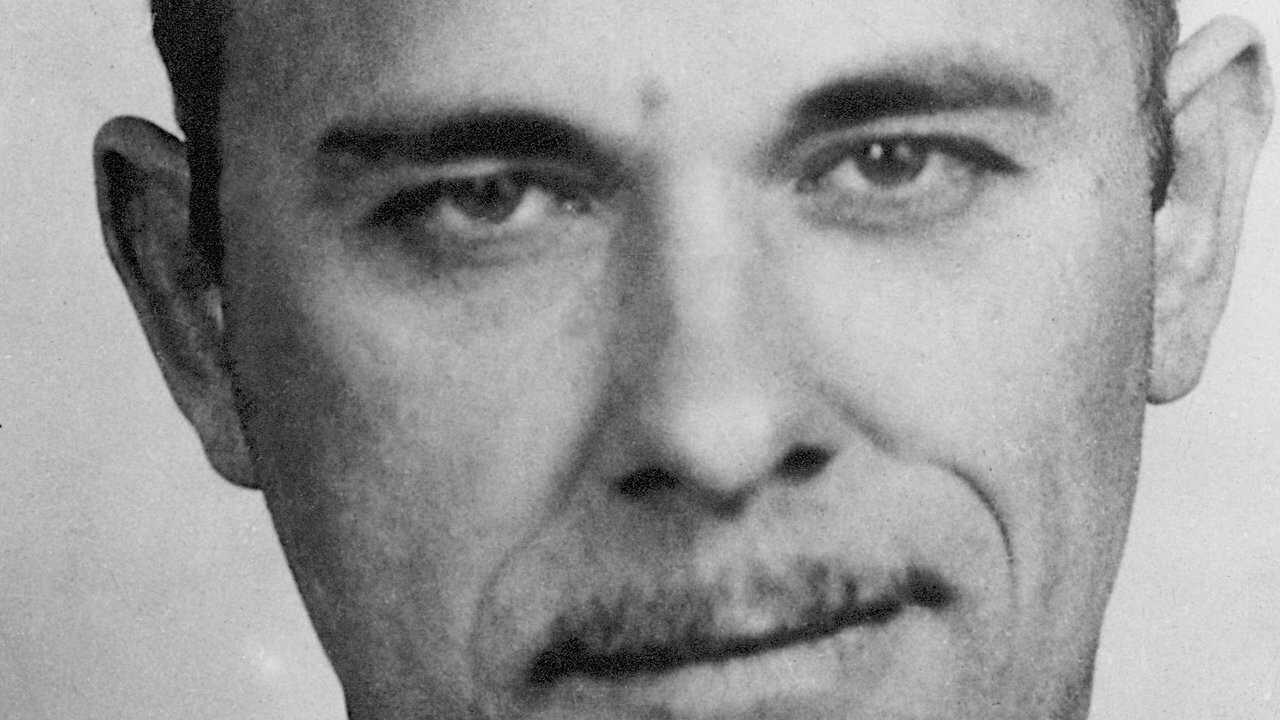
A Stolen Car Makes Dillinger a Federal Target
John Dillinger became a federal target after driving a stolen vehicle across a state line. FBI history says he took a sheriff’s car and crossed the Indiana–Illinois border, violating the National Motor Vehicle Theft Act. The federal case therefore rested on a specific interstate offense rather than on his reputation alone.
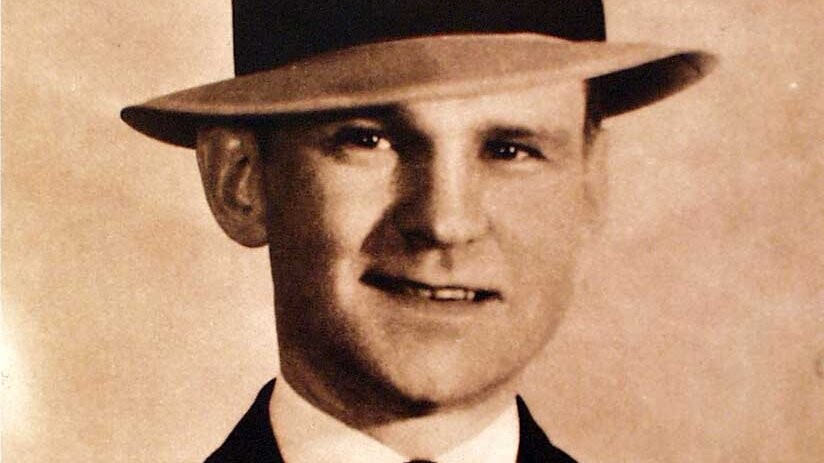
Melvin Purvis Led the Chicago Effort
Melvin Purvis led the FBI’s Chicago office during the Dillinger hunt. The official field-office history says Chicago agents under Purvis became involved in key portions of the case and supplied important manpower. That makes Purvis significant, but the record describes a coordinated agency effort rather than the triumph of a lone lawman.
The FBI’s Finding on Pretty Boy Floyd
An FBI historical summary identifies Charles “Pretty Boy” Floyd as one of the hired hands in the Kansas City Massacre. That is the agency’s official conclusion, but careful readers should distinguish a historical summary from every page of underlying evidence. The wording confirms how the Bureau presented Floyd’s role in the case.
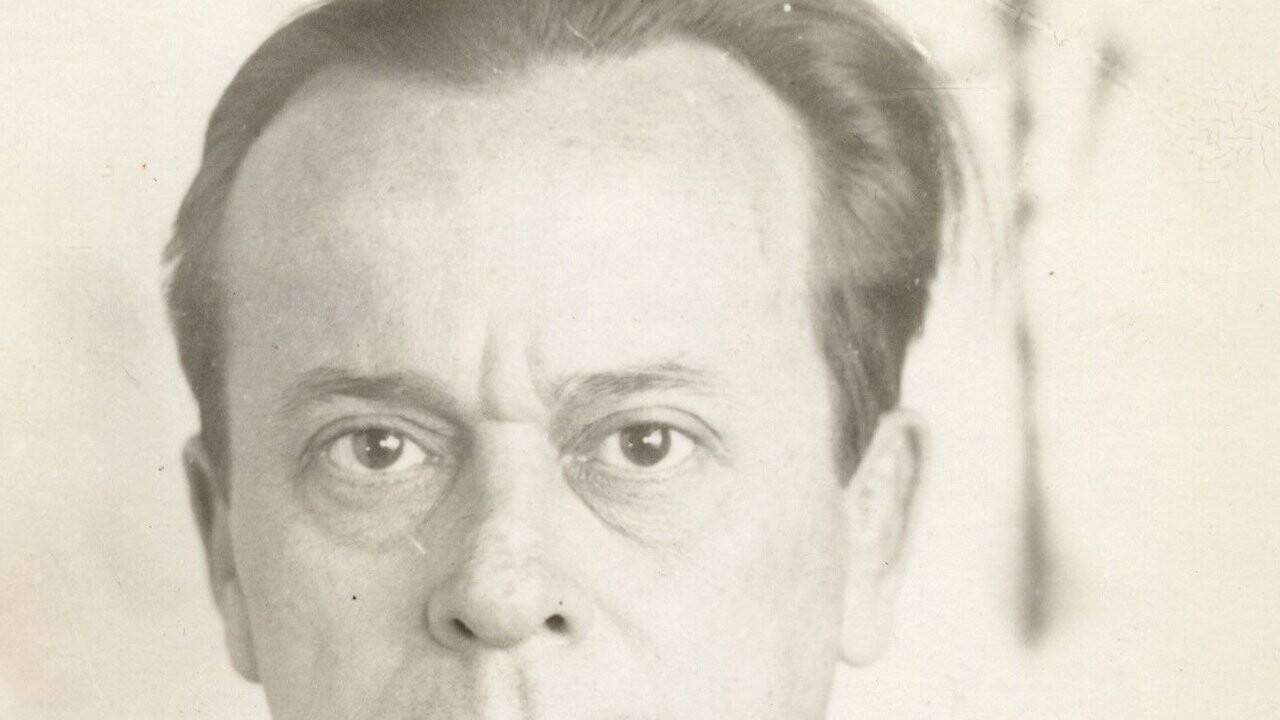
The Ma Barker Mastermind Story Is Overstated
Kate “Ma” Barker’s legend often casts her as the criminal mastermind, but the FBI’s account is more restrained. It says she was known to help her sons and separately calls Alvin Karpis the brains of the gang. The official narrative supports involvement, yet it does not apply popular culture’s sweeping mastermind label to her.
1935: A Bugs Moran Tip Enters the File
George “Bugs” Moran appears in FBI correspondence through a secondhand report. A Bureau letter dated July 30, 1935, recorded Ike McAnally’s statement that Lucky Luciano had said Moran was in New York. This confirms that investigators logged the tip. It does not independently establish the truth of the underlying claim, an important distinction when reading case files.
Dutch Schultz’s Fugitive Investigation
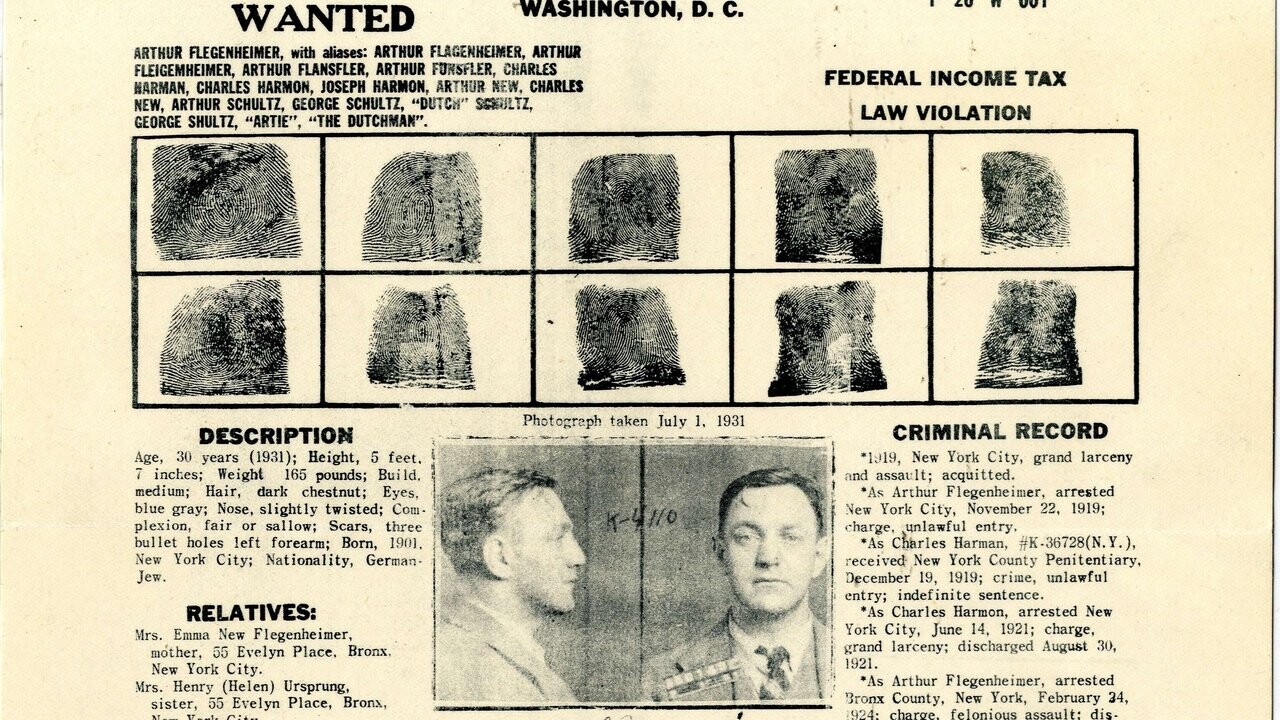
Dutch Schultz drew FBI attention during a period when he was a fugitive from justice. The agency says its investigation concerned that specific period. This focus is narrower than the many stories surrounding his criminal career, illustrating how a federal file may document one defined part of a much larger public history.
1936: Alvin Karpis Is Captured
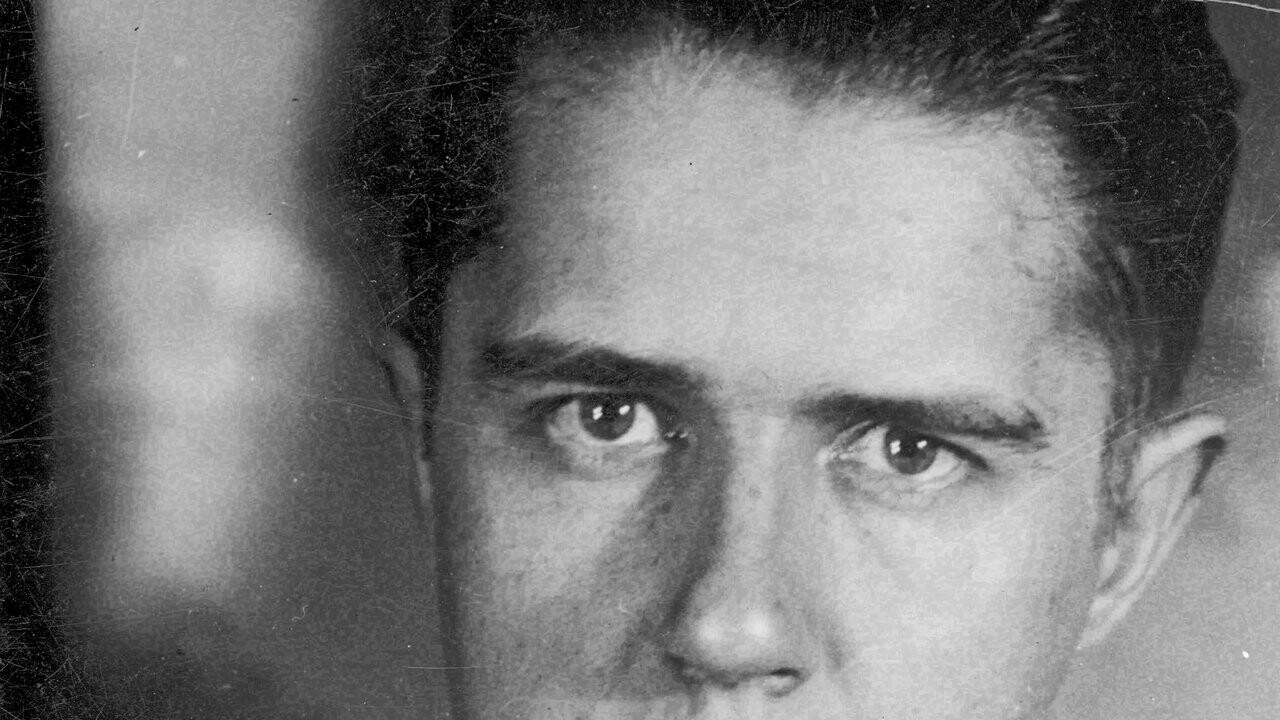
Alvin Karpis remained elusive during the FBI’s campaign against the Barker gang. The Bureau’s broader gangster history says he was captured in May 1936 and identifies him as the gang’s brains. His arrest became a firm milestone in the federal record of the Depression-era public-enemy campaign.
1936: Lucky Luciano’s Prison Sentence
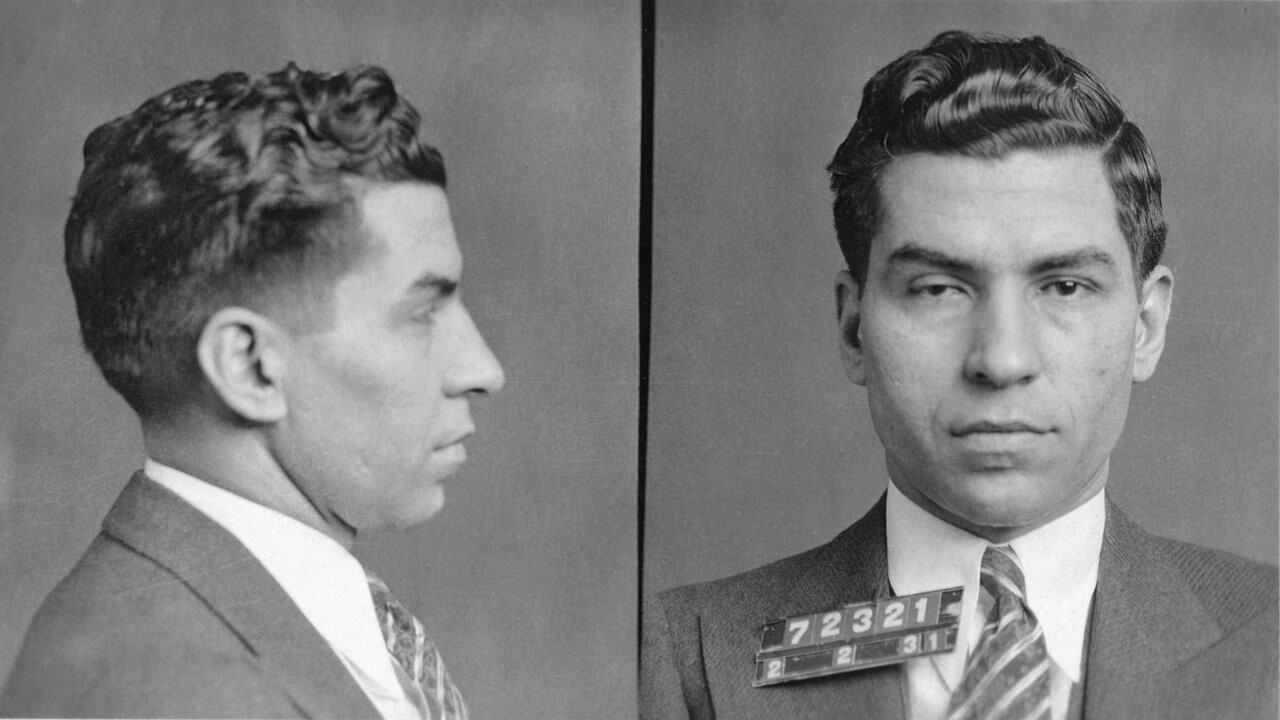
Charles “Lucky” Luciano’s official FBI chronology has a firm legal milestone: in 1936, he was sentenced to 30 to 50 years in prison for operating a prostitution ring. That documented sentence is more precise than broad claims that make him personally responsible for every later feature of American organized crime.
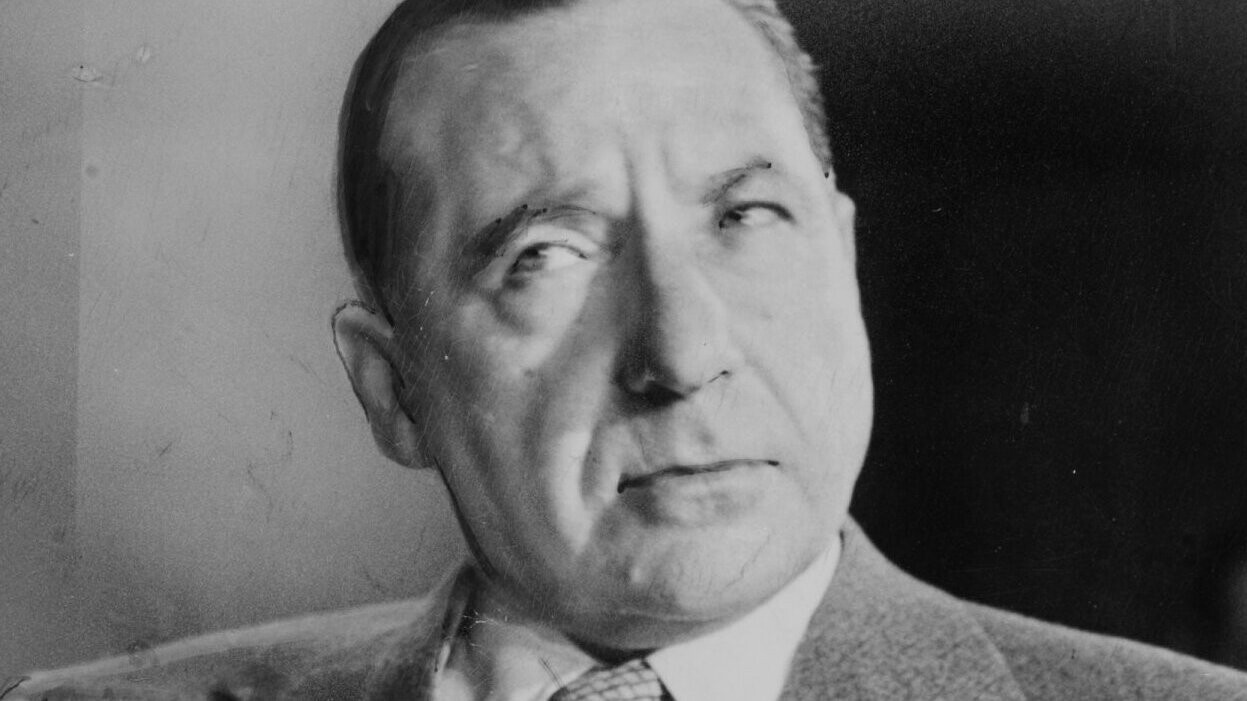
Frank Costello in a Bureau Monograph
An FBI organized-crime monograph described Frank Costello as having admitted earlier bootlegging activity and becoming known as New York’s “slot machine king” during the 1930s. That wording records how federal investigators characterized him. It should not be treated as a substitute for a court judgment covering every activity attributed to Costello.
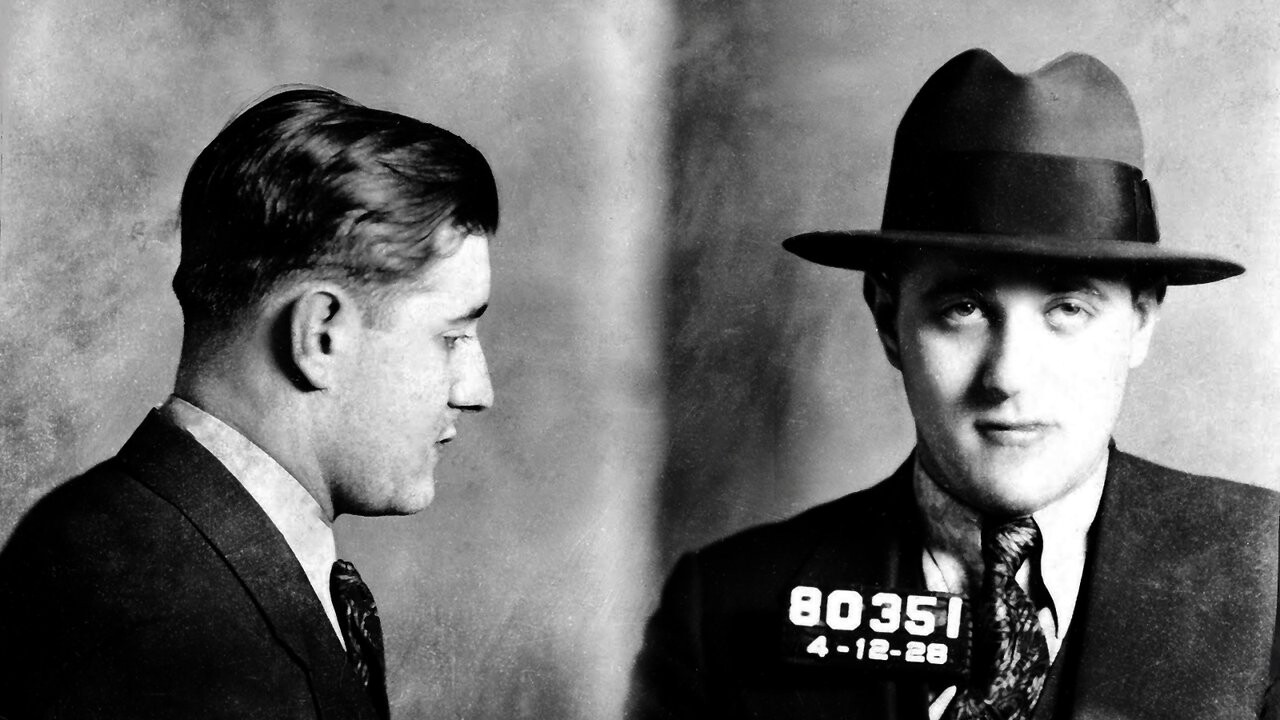
The FBI File Links Siegel and Lansky
Benjamin “Bugsy” Siegel’s FBI file links him with Meyer Lansky as a boyhood friend and criminal associate. Its background summary says they formed the “Bugs and Meyer” gang. That is a concrete connection preserved in the federal record, although the document remains an agency account rather than a verdict establishing every allegation about the pair.
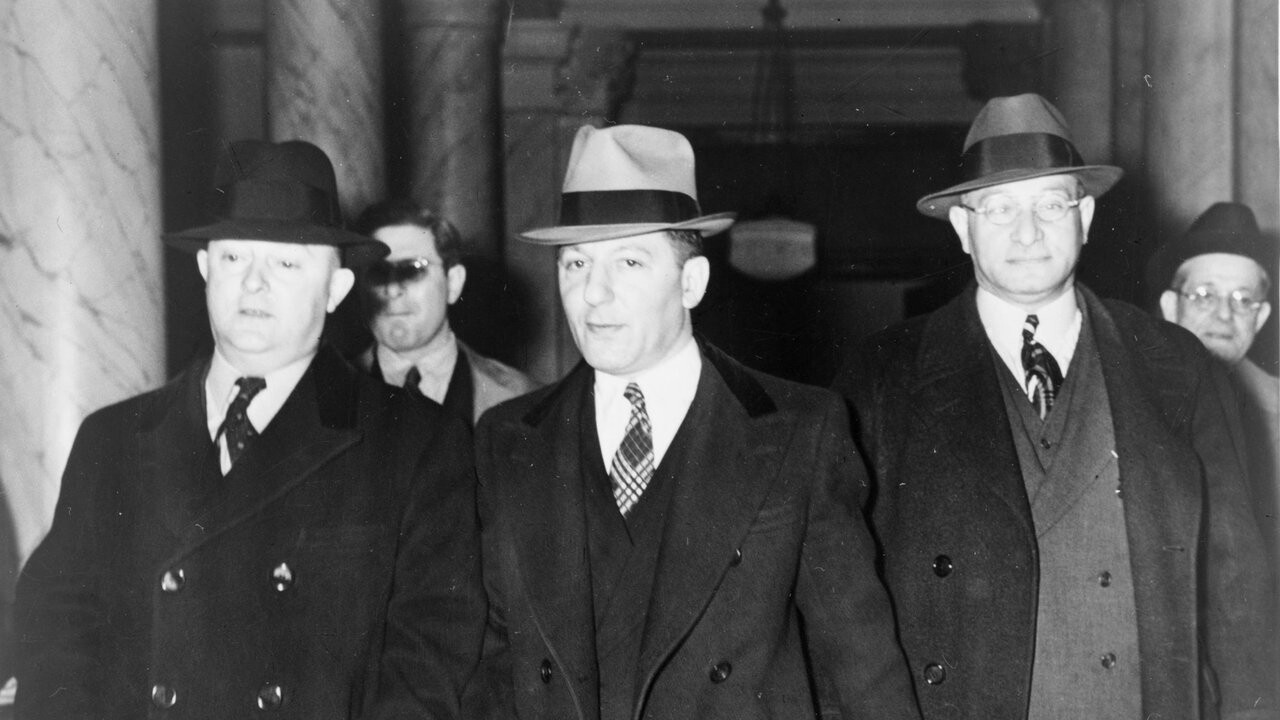
The FBI’s Louis Lepke Buchalter Case
Louis “Lepke” Buchalter entered the federal story through an FBI investigation of a fur-dressing racket during the 1930s. The agency says that inquiry led to Buchalter and his gang being caught. It is a less glamorous record than the surrounding mythology, but it shows the practical investigative work behind a major federal case.
The files make the gangster era less mythic and more revealing. Which record-based correction surprised you most?
Follow The HyperHive on MSN for more stories like this.
Sources:






