23 Things You Probably Remember Seeing at Home in the 1960s and ’70s

Dean Hochman / Wikimedia Commons (CC BY 2.0, cropped)
Many of us still remember the rooms we grew up in. Here are 23 things that filled American homes in the 1960s and ’70s, from the phone on the kitchen wall to the first home video games, and the stories behind them.
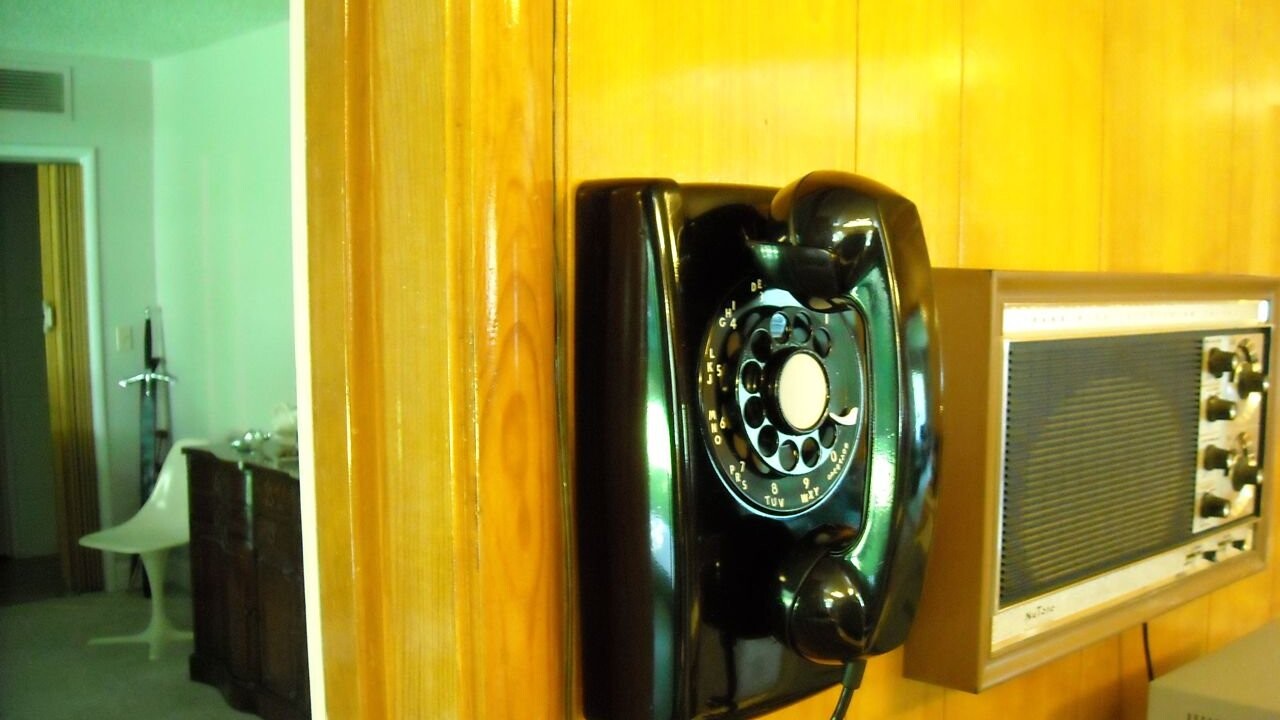
The Phone on the Kitchen Wall
The Bell System began offering push-button Touch-Tone service in the fall of 1963, starting in two Pennsylvania towns near Pittsburgh, according to the IEEE’s Engineering and Technology History Wiki. Rotary phones stayed around for years, though. By the end of 1976, only 30% of the Bell System lines that could offer Touch-Tone actually had it.
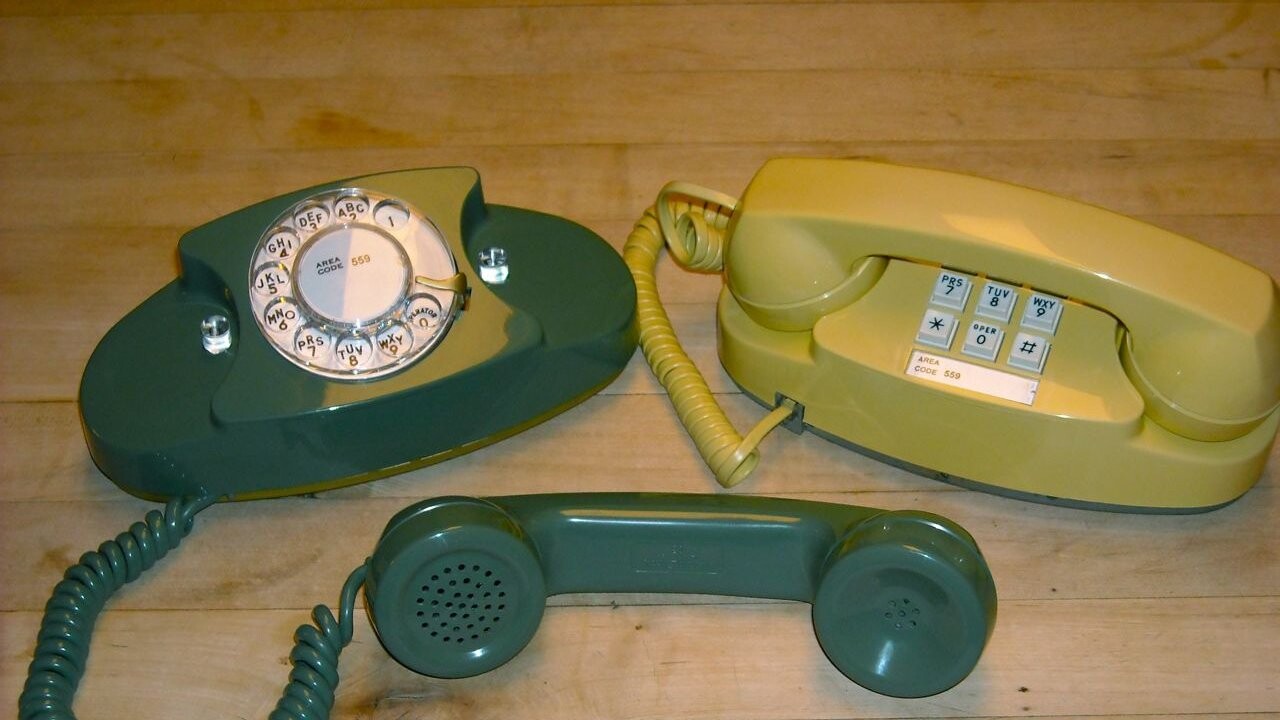
The Princess Phone
The Princess phone arrived in 1959, designed by Henry Dreyfuss’s studio. It was small, had a dial that lit up, and came in colors such as rose pink, aqua, and turquoise, IEEE Spectrum notes. It was first marketed as a bedroom phone with the slogan “It’s little… It’s lovely… It lights,” and stayed in production until 1994, according to The Henry Ford museum.
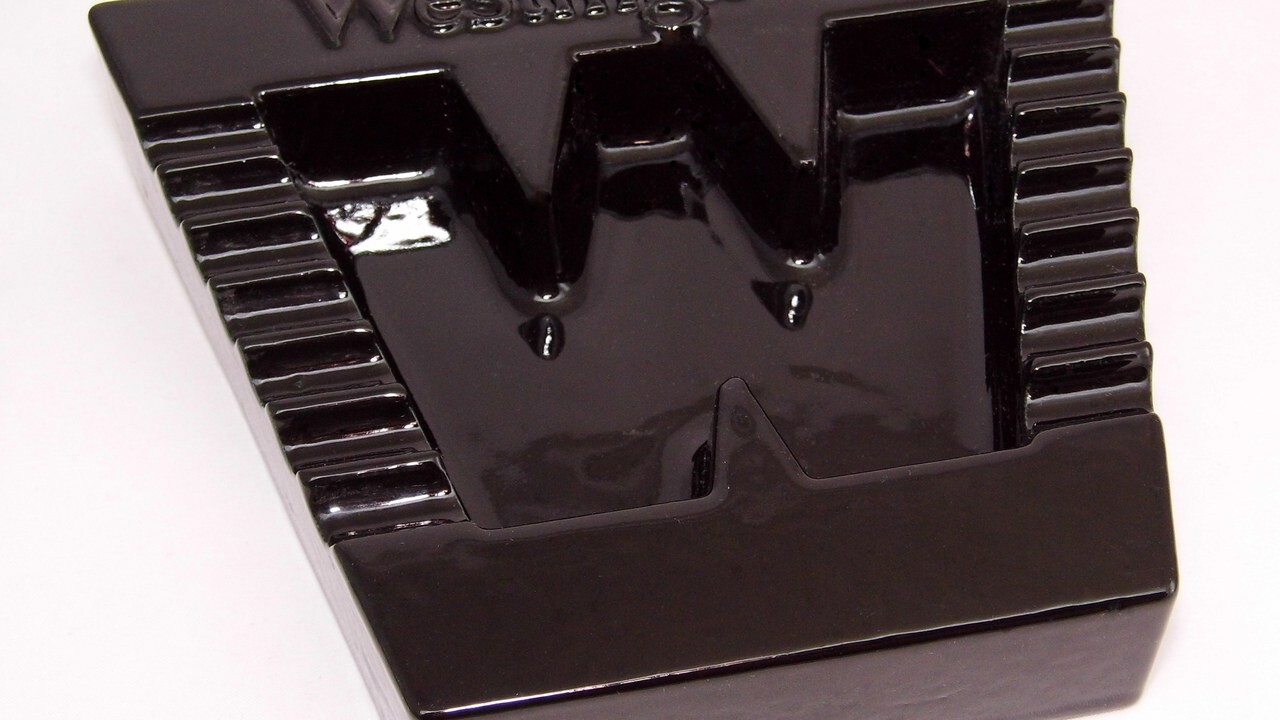
The Ashtray
In 1965, 42.4% of American adults smoked, according to the CDC. Over the next three decades, the habit faded. By 1997, the share of adults who smoked had fallen to 24.7%. This ceramic ashtray carries the Westinghouse logo.
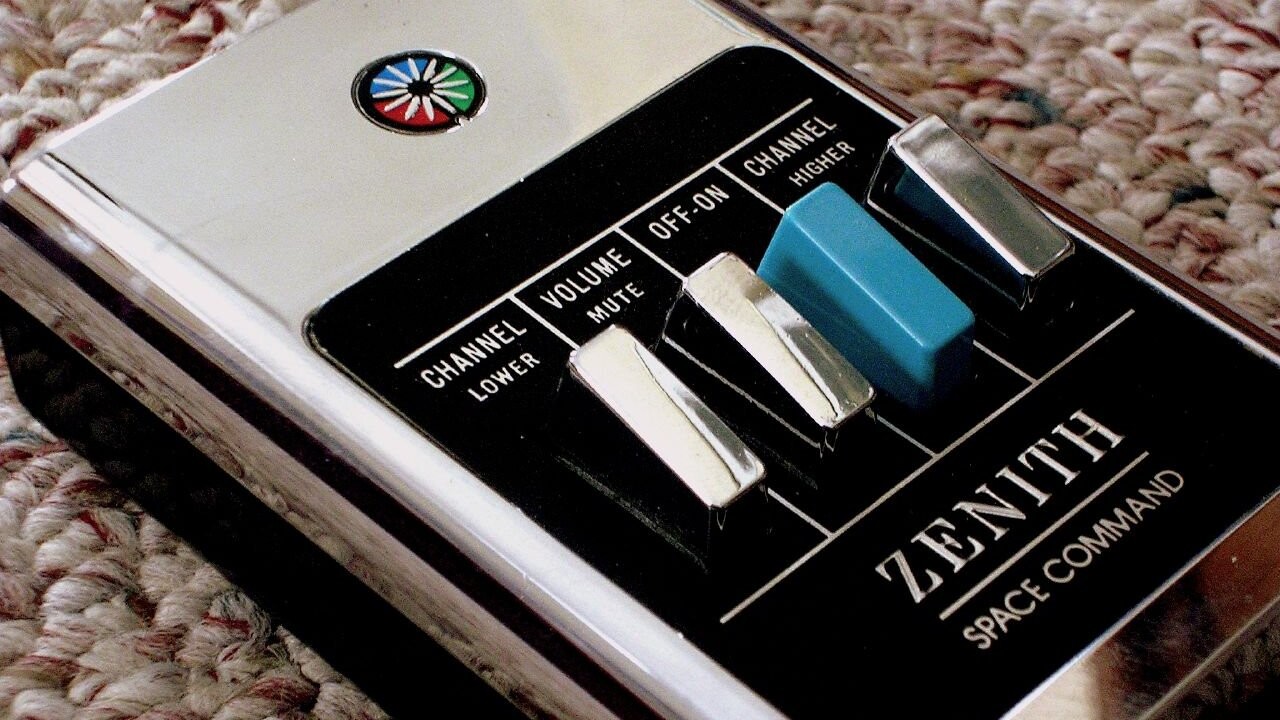
The First TV “Clicker”
Zenith introduced the Space Command in 1956, the first successful wireless TV remote control, invented by engineer Robert Adler. Pressing a button made a tiny hammer strike an aluminum rod, creating an ultrasonic sound, The Henry Ford museum explains, calling it the original TV “clicker.” Adler’s design was sold with more than nine million televisions before infrared remotes took over in the 1980s.
TV Dinners
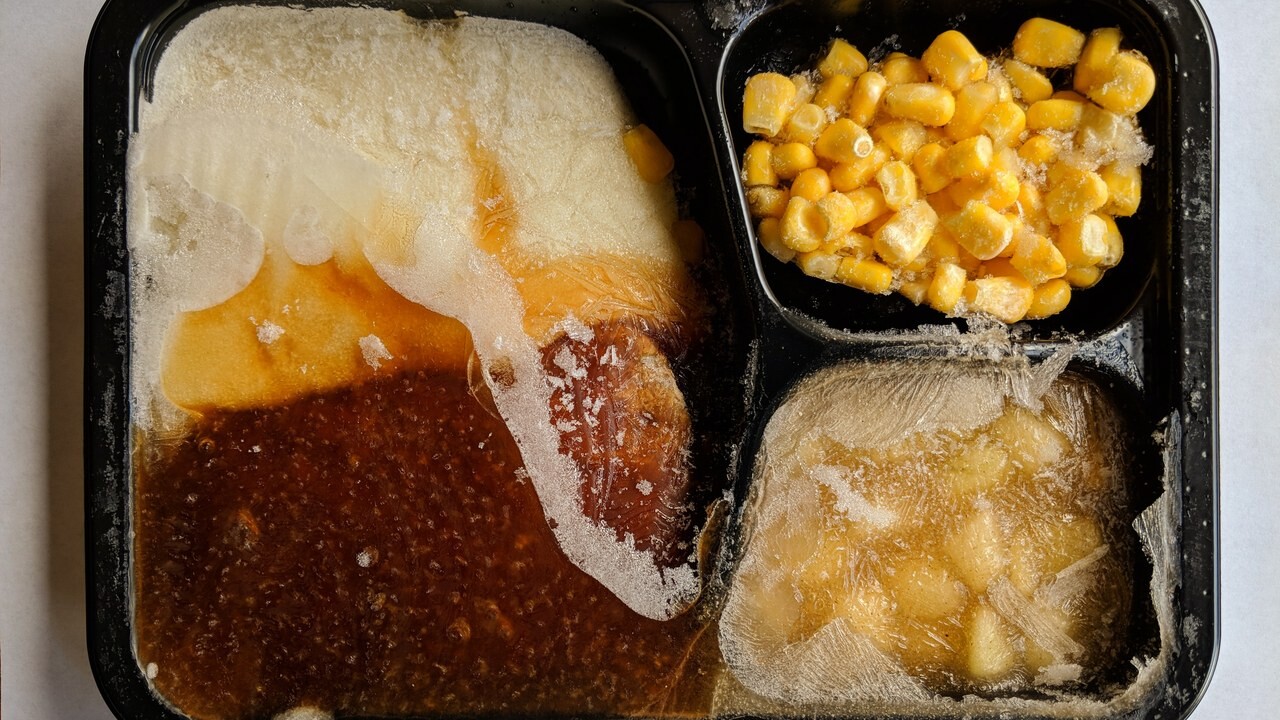
Swanson’s frozen TV dinners came in aluminum trays with separate sections, made to be heated in the oven. According to the most widely accepted account, the idea came from 260 tons of frozen turkey left over after Thanksgiving in 1953. Swanson sold 10 million trays in 1954, its first full year of production, Smithsonian Magazine reports. The tray in this photo is a modern one.
The Microwave Oven
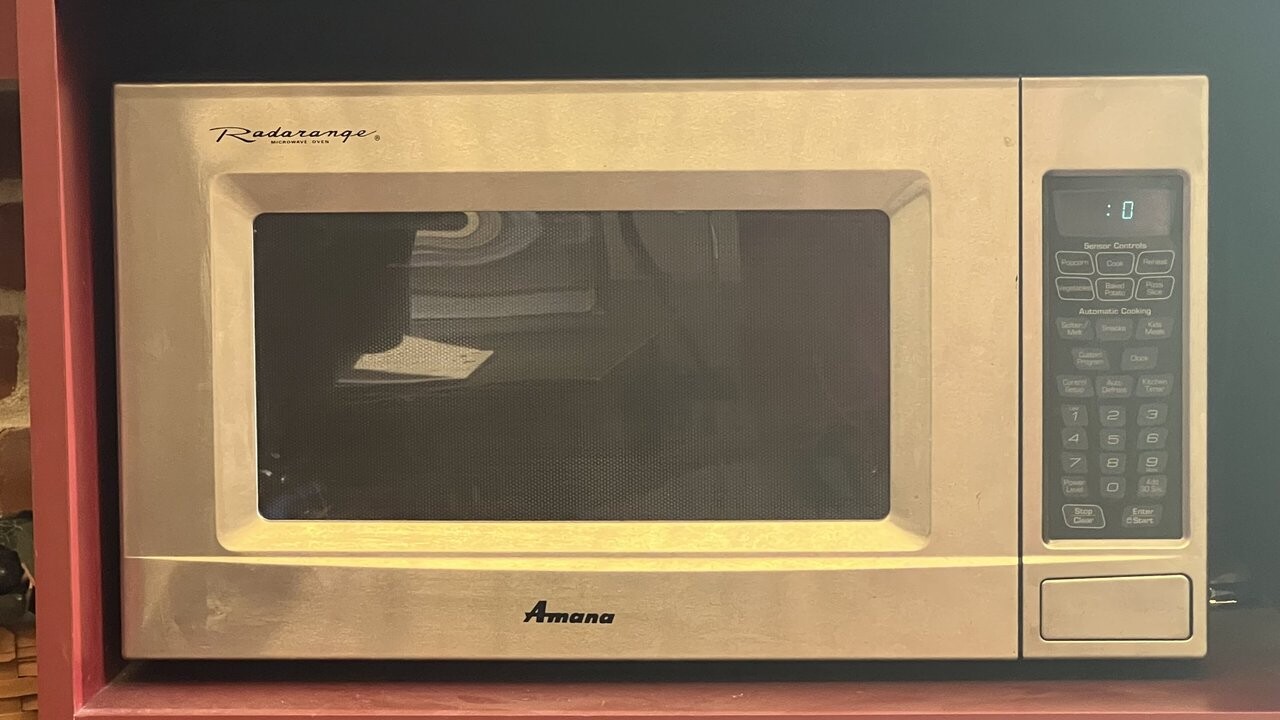
The first Amana Radarange countertop microwave ovens reached American homes in 1967 and cost $495, according to IEEE Spectrum. That was far cheaper than the earlier wall-mounted Tappan RL-1, which cost $1,295. The oven in this photo is a later Radarange model.
The Lava Lamp
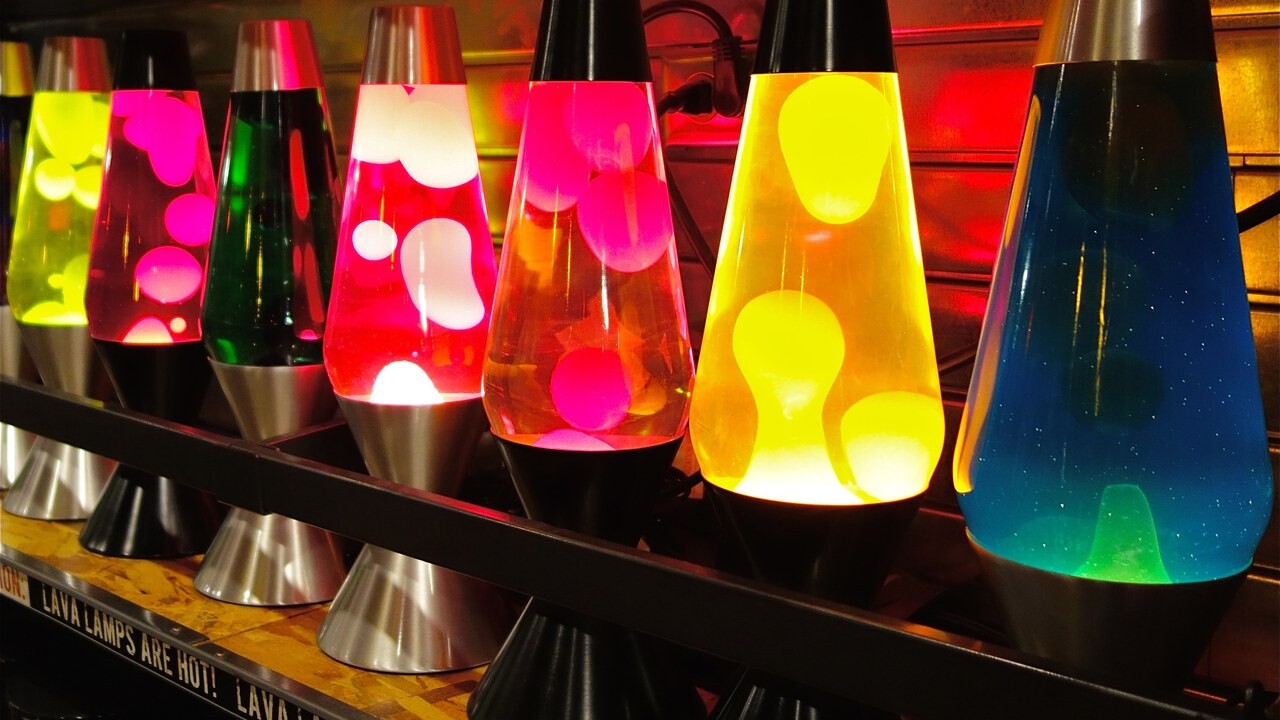
The lava lamp was invented by Edward Craven Walker, a British accountant who got the idea from a homemade egg timer he saw in a pub, Smithsonian Magazine reports. His company called the lamps “Astro Lamps,” and by the end of the 1960s it was making millions of them a year.
The Pocket Transistor Radio
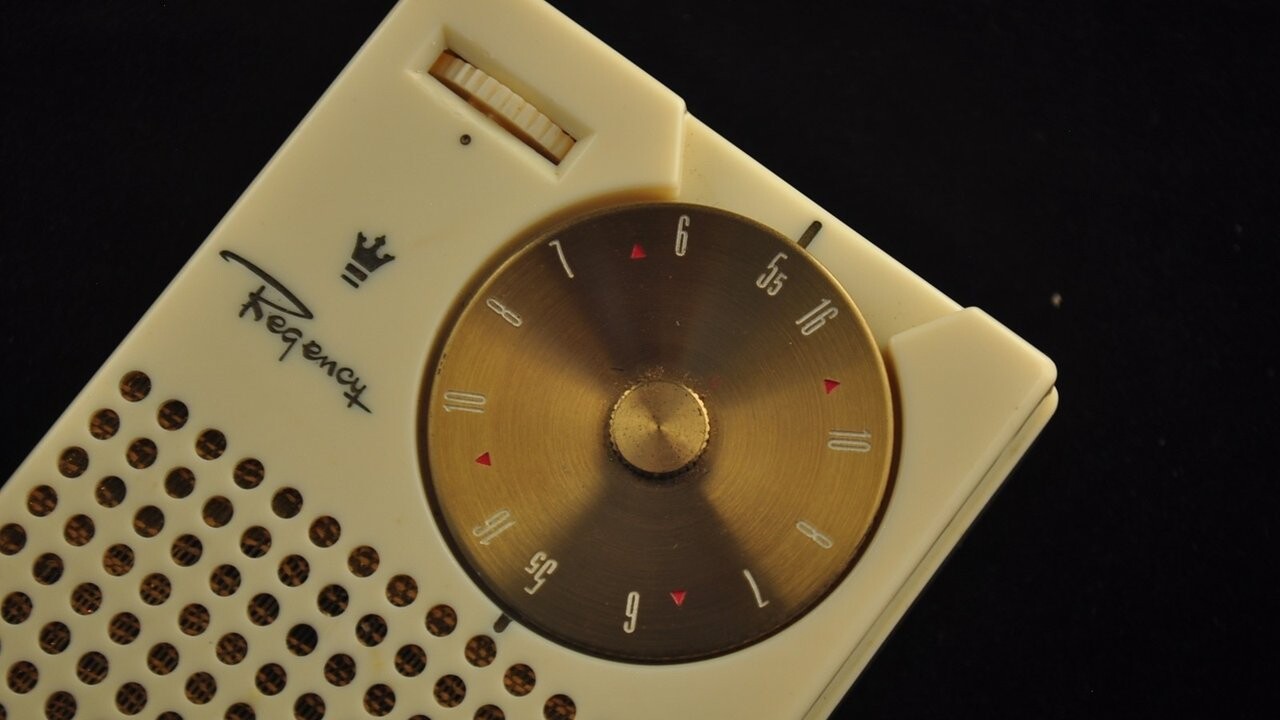
The Regency TR-1 went on sale in November 1954, just in time for holiday shopping. It was only a few inches tall and originally cost $50, about $400 today, according to Smithsonian Magazine. The magazine credits pocket radios like it with fueling a teenage social revolution.
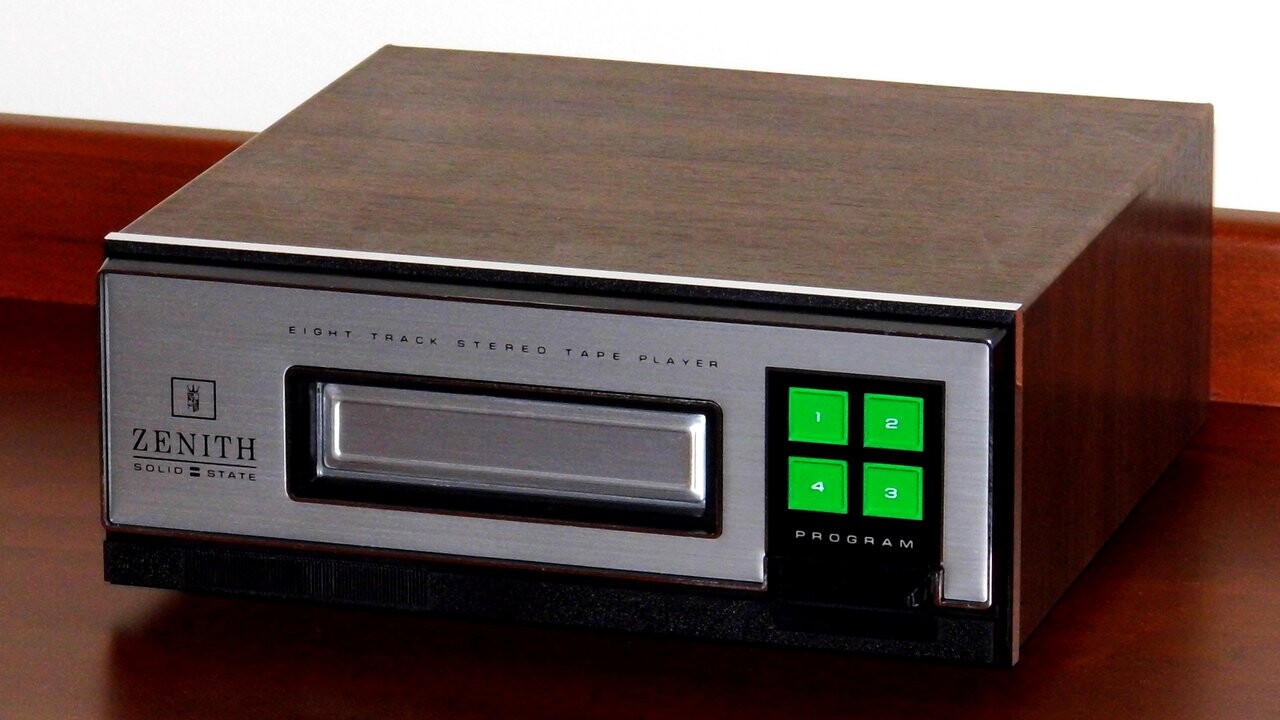
The 8-Track Tape Player
In 1965, Bill Lear introduced the 8-track tape cartridge for cars, according to the IEEE’s Engineering and Technology History Wiki. Ford offered 8-track players in its 1966 models, and the format took off, NPR reported. By the end of the decade, they were common in home stereos too, like this Zenith player from about 1974.
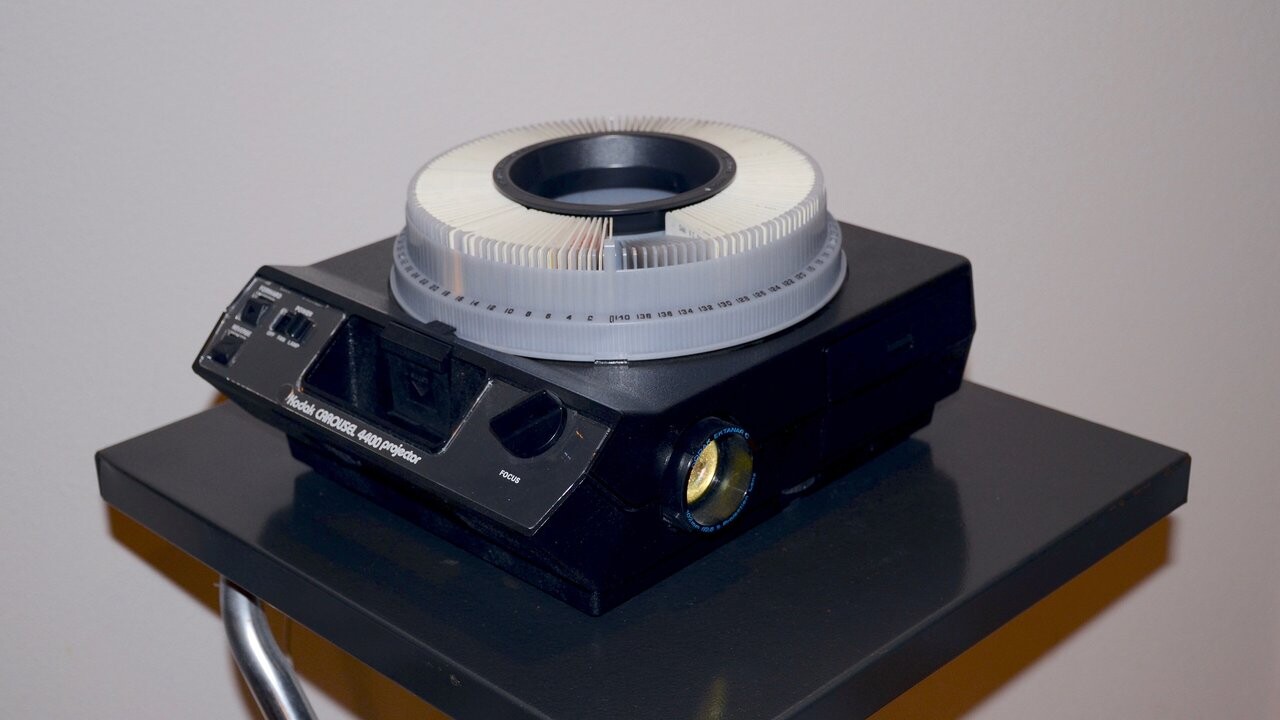
The Slide Show on the Living Room Wall
Kodak’s first Carousel slide projector came out in 1961, according to Britain’s Science Museum Group. A round tray of slides sat on top, and the slides could advance automatically every few seconds or by hand. That made it easy to project photos onto a wall or screen. The projector in this photo is a later Carousel model.
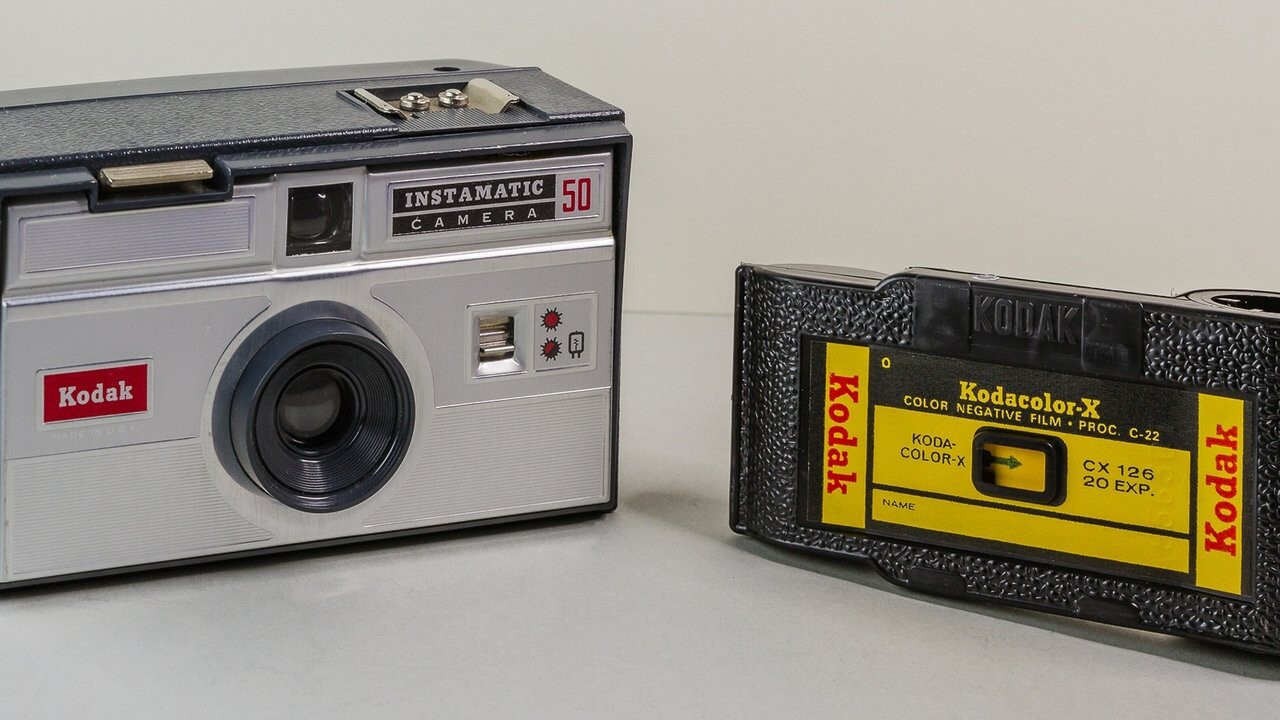
The Kodak Instamatic
Kodak’s Instamatic cameras arrived in 1963 with an instant-loading film cartridge. More than 50 million were sold worldwide between 1963 and 1970, making it Kodak’s most successful camera since the Brownie of 1900, according to the George Eastman Museum.
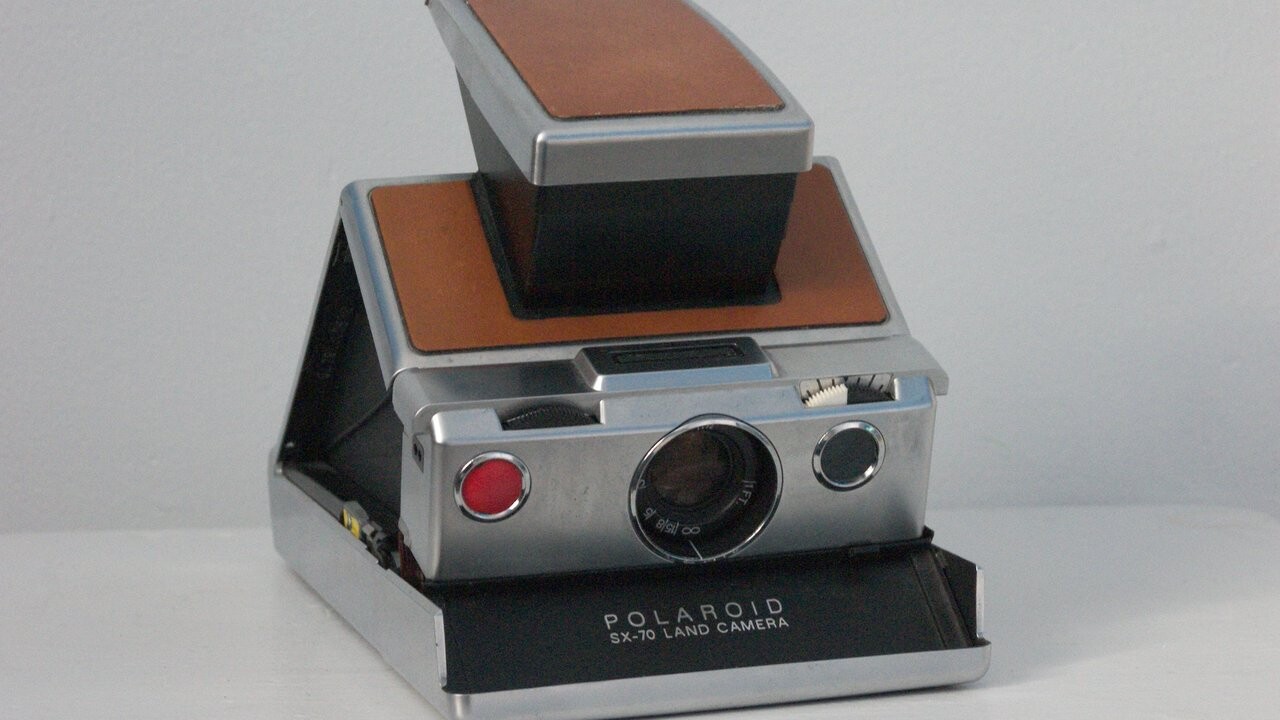
The Polaroid SX-70
Polaroid co-founder Edwin Land introduced the SX-70 instant camera in 1972. With a whir, a blank square came out of the front of the camera and developed before the user’s eyes, Smithsonian Magazine recalls. Released just before Christmas that year, the camera was big news.
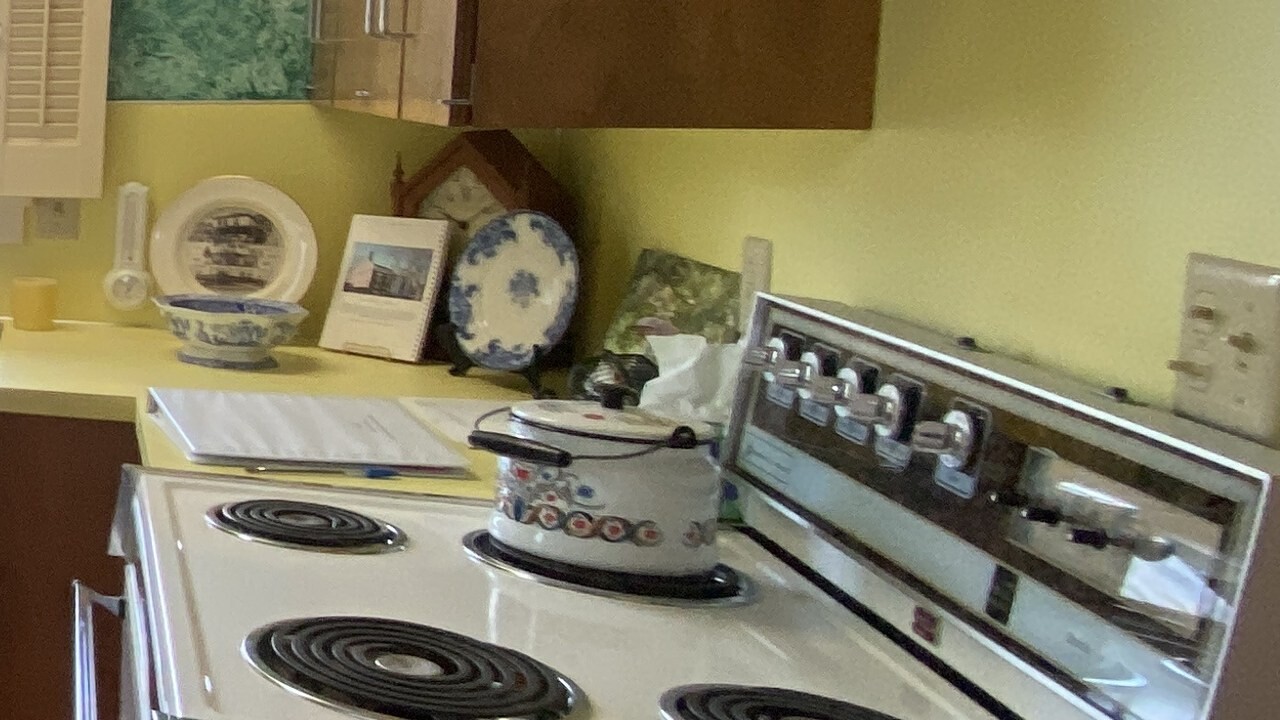
Kitchens Nobody Remodeled
Some kitchens from the era still look the same today. A Reddit user shared photos of one in a house built in the late 1960s, where the downstairs has never been renovated. The cabinets run up to the ceiling and turn at angles around the cooking area, the design site Homedit reported.
Kitchen remodel advice
byu/zeerez inkitchenremodel
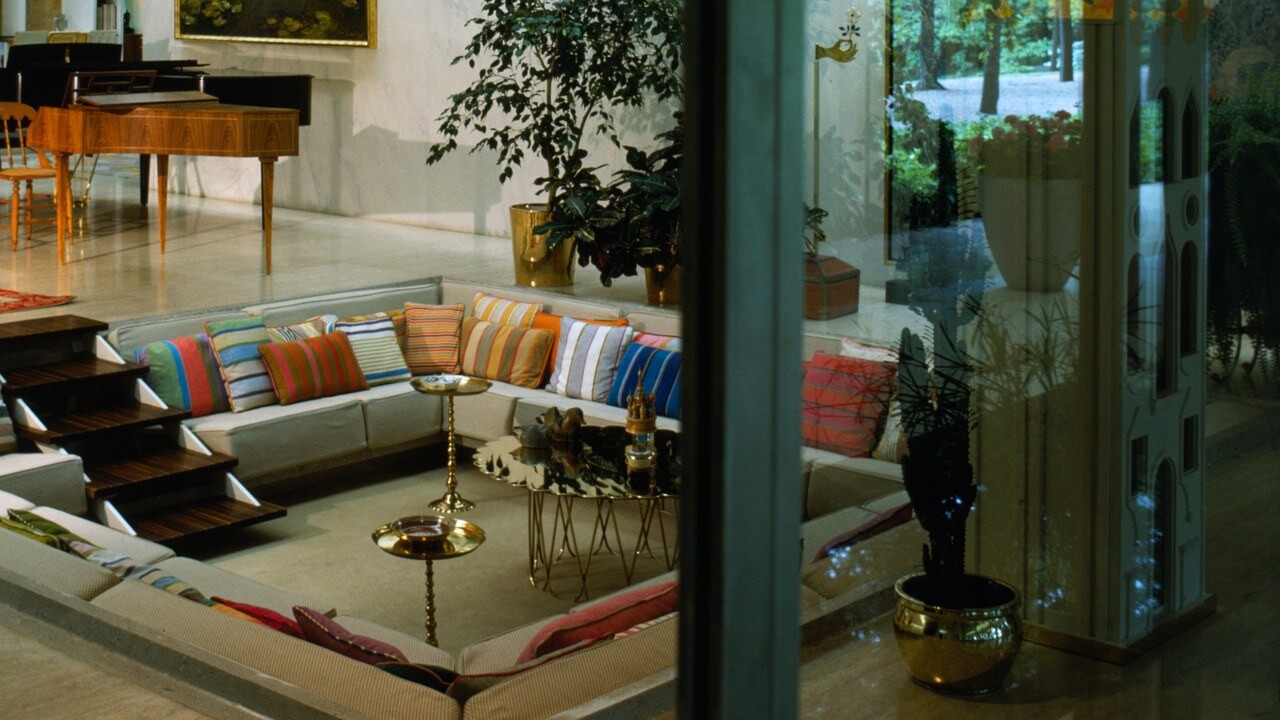
Living Rooms Sunk Into the Floor
One of the best-known “conversation pits” is in the Miller House in Columbus, Indiana. Eero Saarinen designed the house and Alexander Girard the interior, and it was completed in 1957, according to Vitra’s design magazine. Today it can be visited only on guided tours.
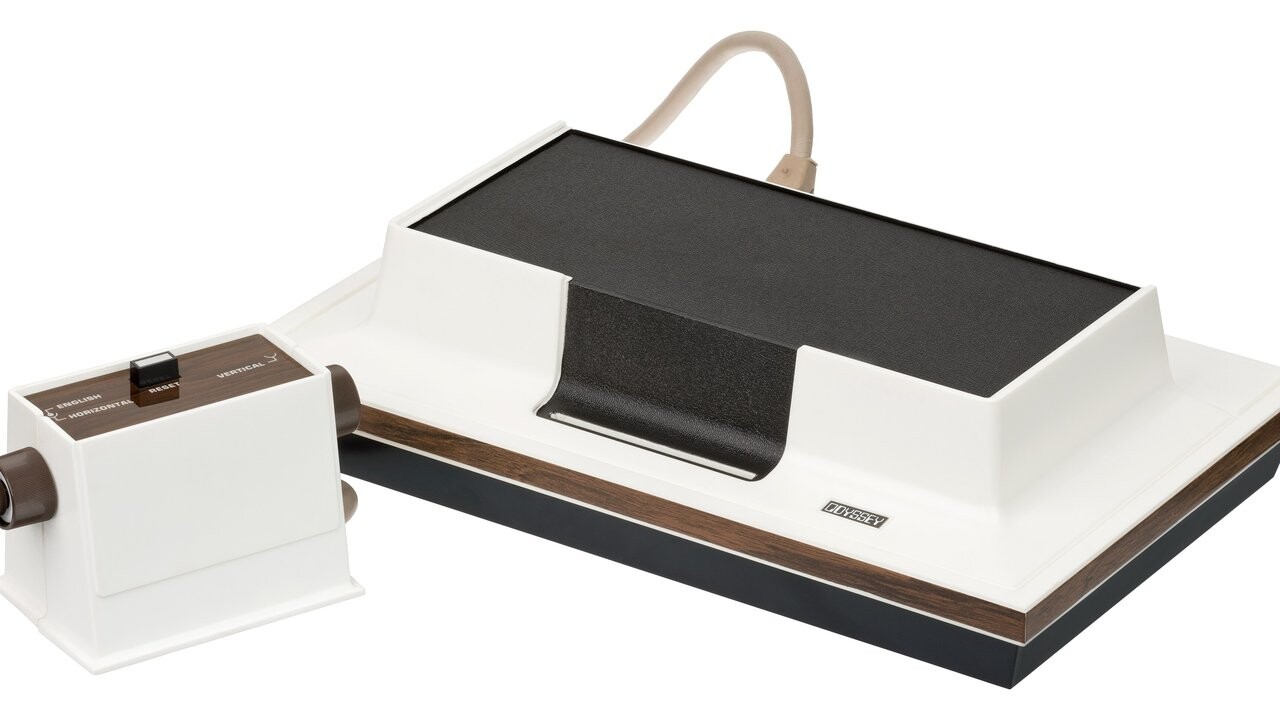
The First Home Video Game
The Magnavox Odyssey, the first home video game system, went on sale in 1972, based on a design by engineer Ralph Baer. Its graphics were so simple that players stuck plastic overlays onto the TV screen, according to the Computer History Museum. More than 350,000 were sold.
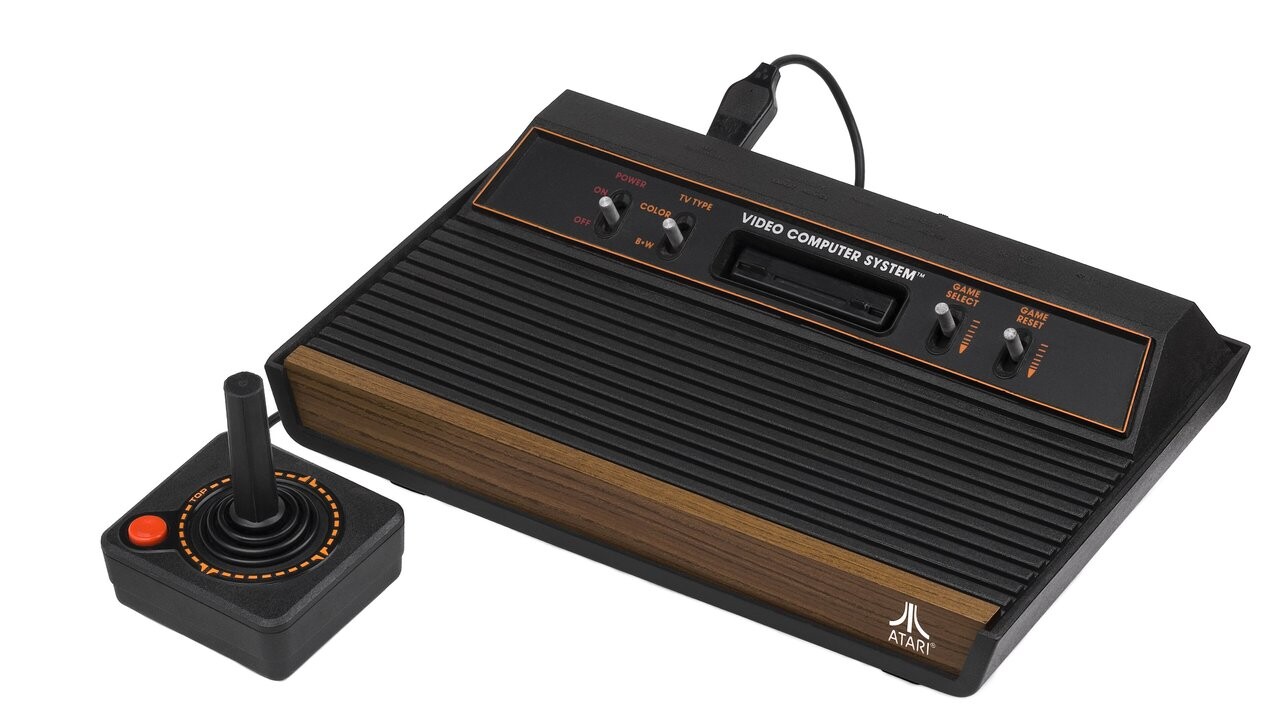
The Atari 2600
Atari introduced its Video Computer System, later known as the Atari 2600, in 1977. Players could change games by inserting new cartridges, and more than 500 games were eventually released for it, including Space Invaders and Pac-Man, according to the Computer History Museum and The Strong National Museum of Play.
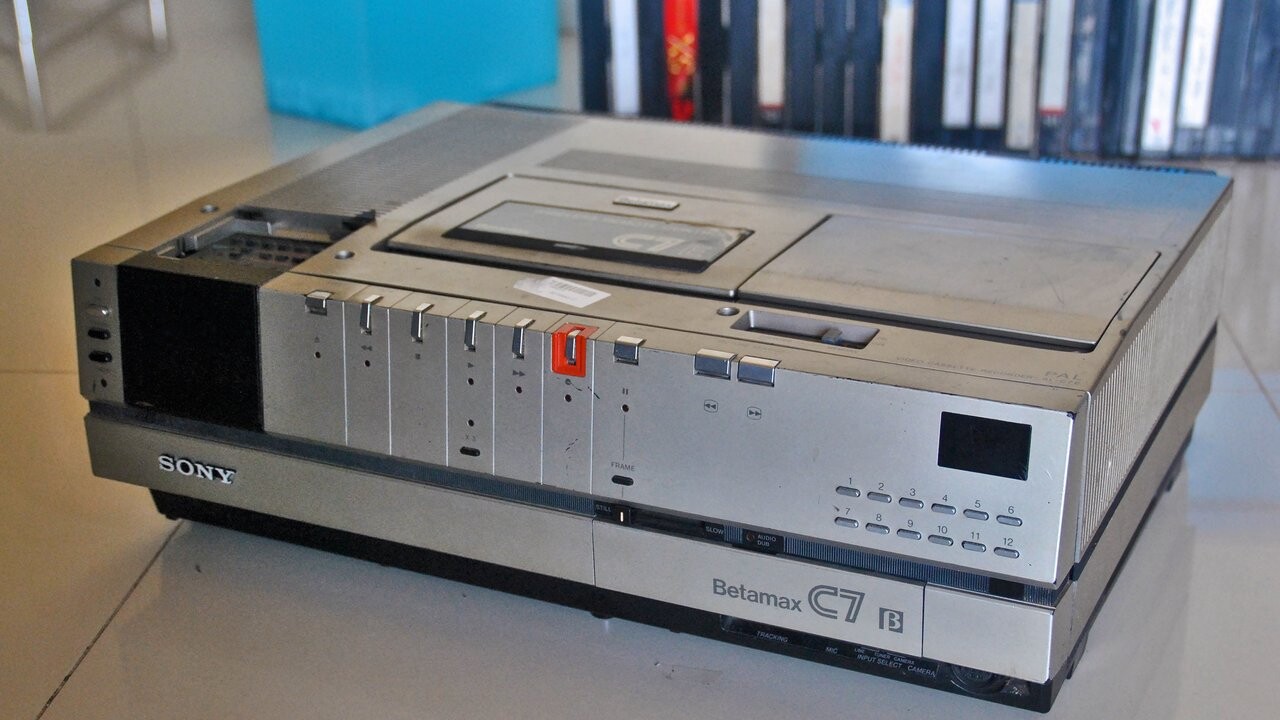
The Video Recorder
Sony released its first Betamax home video recorder in 1975, and RCA brought the rival VHS format to the United States in 1977, according to the IEEE. VHS could record for two hours at first, compared with one hour for Beta, and VHS recorders steadily outsold Beta ones.
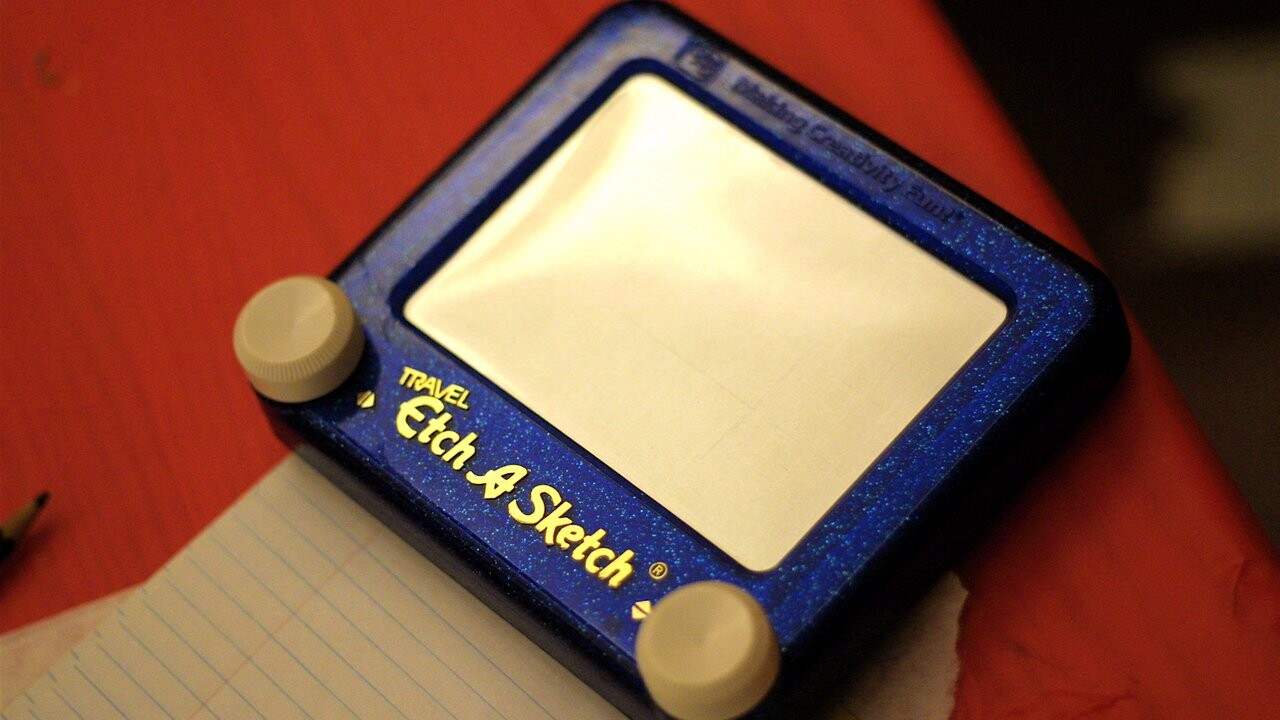
The Etch A Sketch
The Etch A Sketch was invented by French technician André Cassagnes, and the Ohio Art Company paid $25,000 for the license, more than it had ever paid for one. Heavy TV advertising made it a must-have Christmas gift in 1960, according to The Strong National Museum of Play. This one is a smaller travel version.
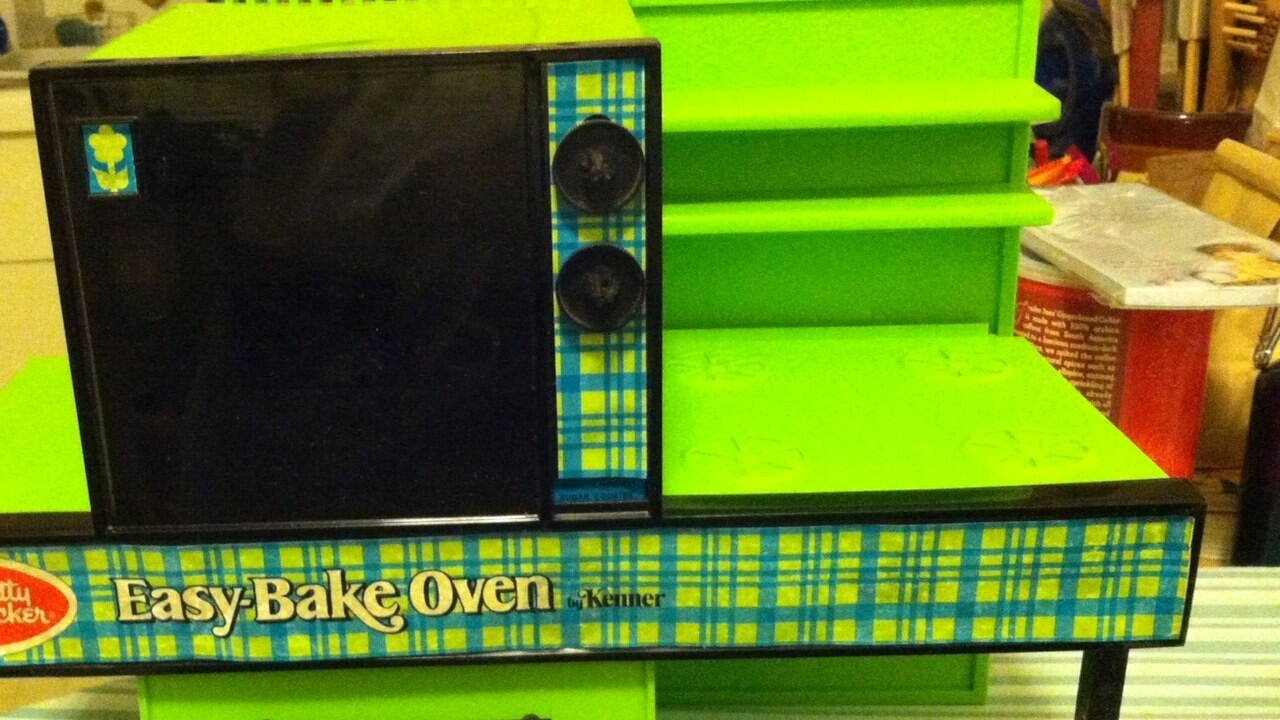
The Easy-Bake Oven
Kenner’s Easy-Bake Oven arrived in 1963 in turquoise and pale yellow. Instead of a heating element, it used two 100-watt light bulbs to reduce the chance of burned fingers. More than 23 million have been sold since then, according to The Strong National Museum of Play. This green model is from the 1970s.
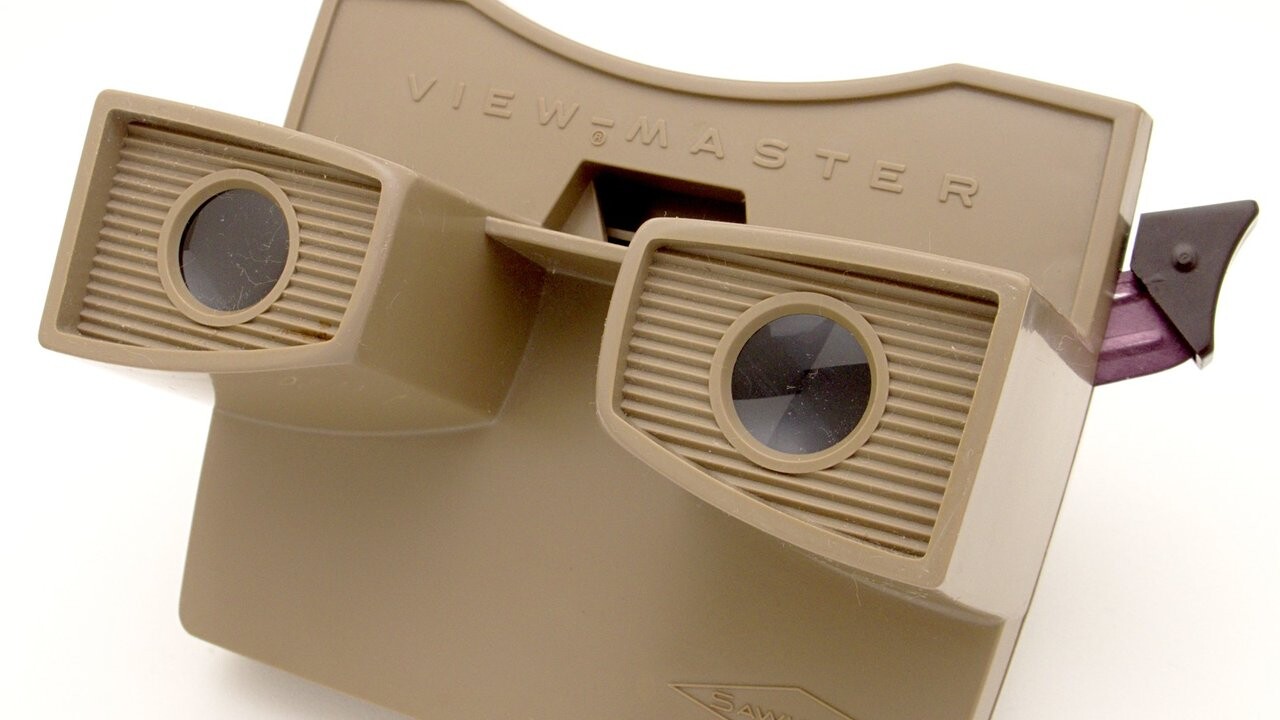
The View-Master
The View-Master was introduced at the 1939 New York World’s Fair. Industrial designer Charles Harrison later turned it into a lightweight plastic viewer that became a hit in 1959, according to The Strong National Museum of Play. Its picture reels covered virtually every major kids’ show and movie.
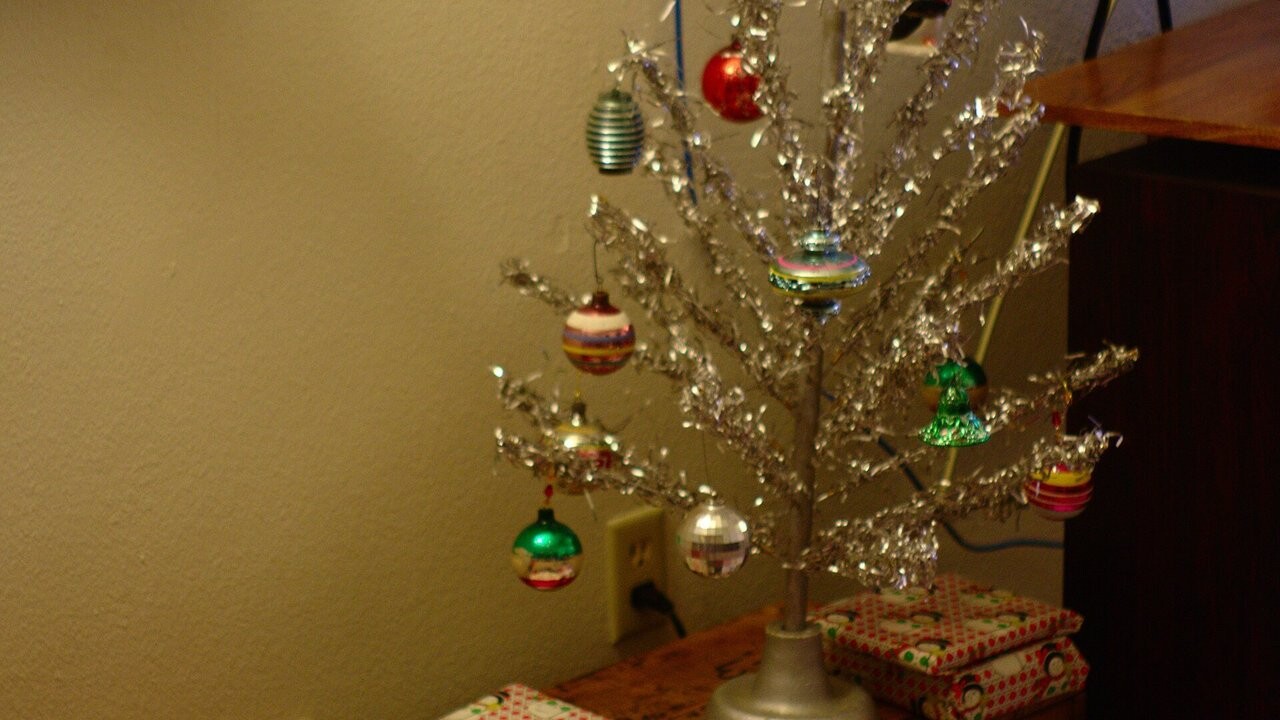
The Aluminum Christmas Tree
In 1958, a sales manager at a company in Manitowoc, Wisconsin, saw a shiny metal Christmas tree, and his company’s cheaper Evergleam tree debuted in 1959. Sales peaked in 1964 and 1965, Wisconsin Public Radio reports. Some blame “A Charlie Brown Christmas” for their decline, but a state historical curator notes that sales stayed strong after it aired.
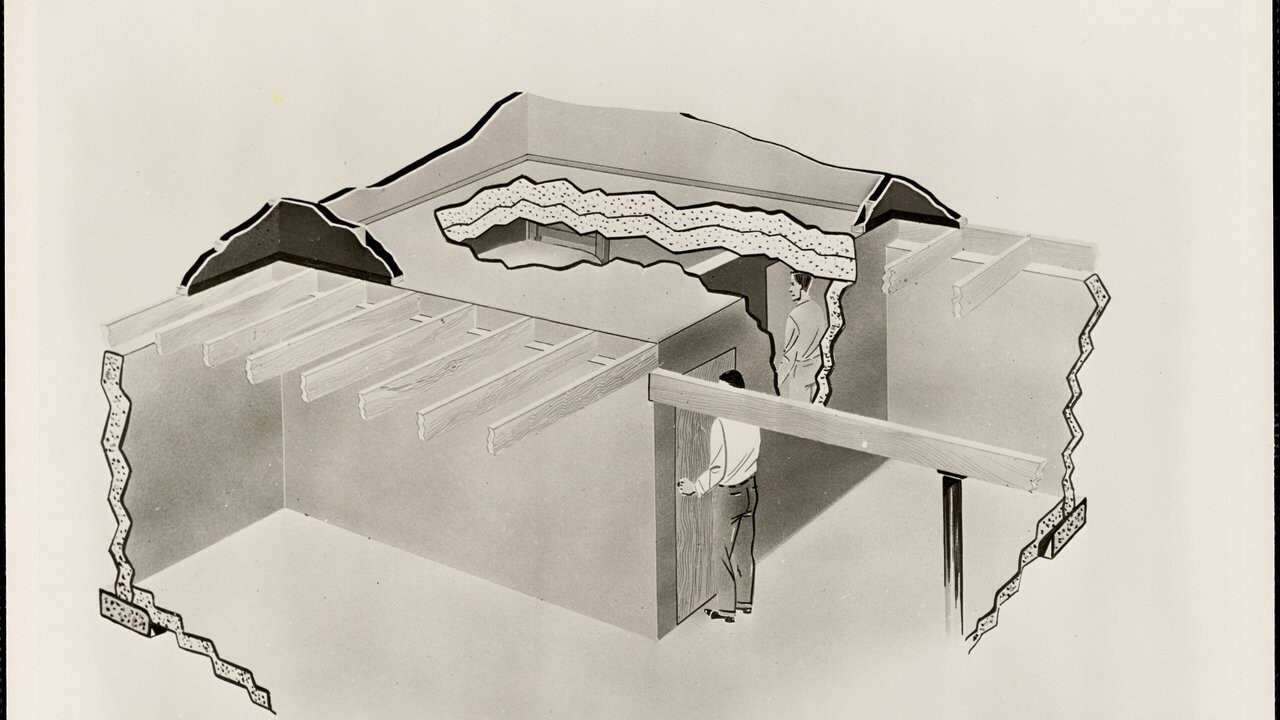
The Fallout Shelter
In July 1961, during the Berlin Crisis, President Kennedy promised to let every citizen know what steps to take to protect their family in case of attack. Still, a 1961 Gallup poll found that 93% had no plans to build a shelter. By 1965, an estimated 200,000 shelters existed in the U.S., according to the National Park Service.
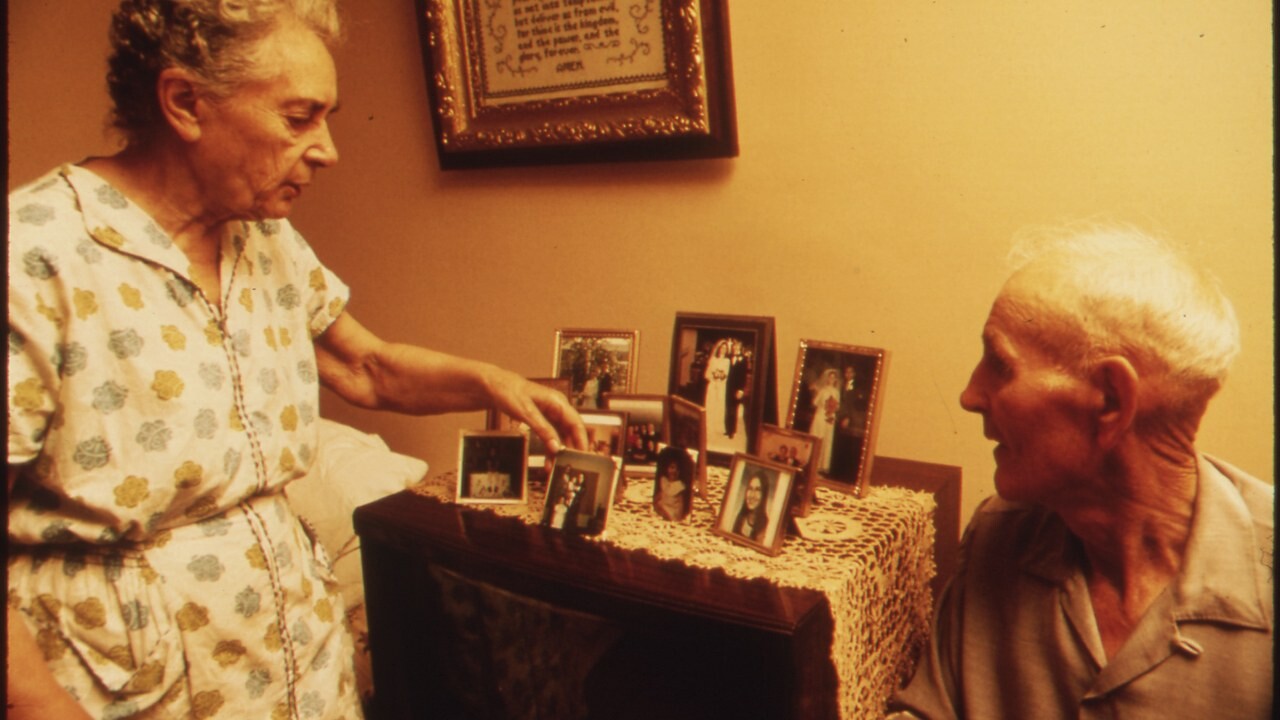
Rooms Photographed for History
This photo comes from Documerica. For the project, which ran from 1971 to 1977, the Environmental Protection Agency hired freelance photographers to capture environmental problems and everyday life in the 1970s, according to the National Archives. This couple was photographed at home in New Ulm, Minnesota, in October 1974.
Do you remember any of these in your own home?
Sources:
- Engineering and Technology History Wiki (IEEE): Telephone Dials
- The Henry Ford: Princess Telephone, Model 701B
- IEEE Spectrum: In 1959, AT&T Discovered There Was a Market for a Lady’s Phone
- CDC: Achievements in Public Health, 1900-1999: Tobacco Use
- The Henry Ford: Zenith “Space Commander 400” Television Remote Control
- National Inventors Hall of Fame: Robert Adler
- Smithsonian Magazine: A Brief History of the TV Dinner
- IEEE Spectrum: A Brief History of the Microwave Oven
- Smithsonian Magazine: The History of the Lava Lamp
- Smithsonian Magazine: How the Transistor Radio Fueled a Teenage Social Revolution
- Engineering and Technology History Wiki (IEEE): Cassette Tapes
- NPR: 8-Track Tapes Belong In A Museum
- Engineering and Technology History Wiki (IEEE): William P. Lear
- Science Museum Group: Kodak Carousel projector Model 550R
- George Eastman Museum: 50th Anniversary of the Instamatic
- Smithsonian Magazine: How the Polaroid Stormed the Photographic World
- Homedit: This 1960s Kitchen Preserves a Cabinet Design You Rarely See Today
- Vitra: A Pit for Conversation
- Visit Columbus Indiana: Eero Saarinen
- Computer History Museum: Games On Your TV?
- Computer History Museum: Atari’s Roller-Coaster Ride
- The Strong National Museum of Play: Atari 2600 Game System
- IEEE Milestone: Development of VHS
- The Strong National Museum of Play: Etch A Sketch
- The Strong National Museum of Play: Easy-Bake Oven
- The Strong National Museum of Play: View-Master
- The Strong National Museum of Play: Charles Harrison and the View-Master
- Wisconsin Public Radio: Oh Aluminum Christmas Tree, Your Branches Are Ever Gleaming
- National Park Service: Kennedy, Rockefeller, and Civil Defense
- National Archives: Documerica by Photographer
You might also want to read: Lipstick Testing in 1950: Here Is How It Went Down