
Everyday habits can grow from changing routines, practical needs, and decades of experience. They also vary widely from person to person, so these slides describe recognizable patterns rather than rules about how older adults behave.
From morning schedules and household routines to conversations, familiar technology, money, and pastimes, each habit has a story behind it. The explanations draw on government guidance, federal surveys, and peer-reviewed research while keeping the focus on respectful, ordinary moments.

Waking Up Before Everyone Else
Older adults sometimes seem to own the quiet hours before sunrise. The National Institute on Aging says they tend to go to bed and wake earlier than younger adults. An early start often accompanies an early bedtime, leaving time for an unhurried breakfast, a peaceful walk, or a favorite morning program.
Eating Dinner Earlier
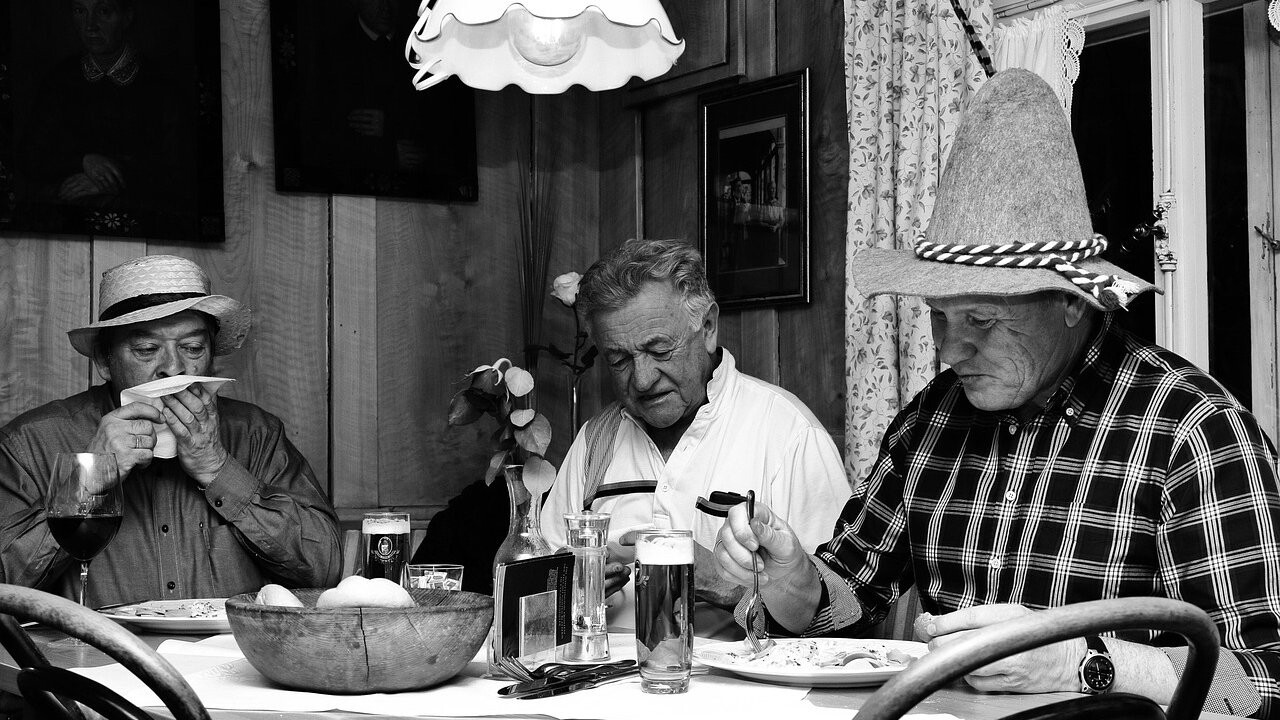
Early dinner often fits a day that begins and ends sooner. An analysis of nationally representative eating records found that the midpoint of food and drink intake was earlier among older adults. It is a pattern, not a prescription, and household schedules, appetite, traditions, and personal preference still shape mealtimes.

Napping in the Recliner
A recliner nap may have more to do with nighttime rest than with the chair itself. The National Institute on Aging says sleep tends to become lighter and more interrupted with age. When drowsiness arrives during a quiet afternoon, the most comfortable seat in the house can easily become an unofficial napping spot.

Feeling Cold Indoors
Feeling chilly in a comfortable room is not necessarily fussiness. MedlinePlus explains that a decrease in fat beneath the skin can make staying warm more difficult. Cardigans, slippers, blankets, and a preferred seat away from drafts are simple ways to make a familiar room feel more comfortable.
Turning Up the Television
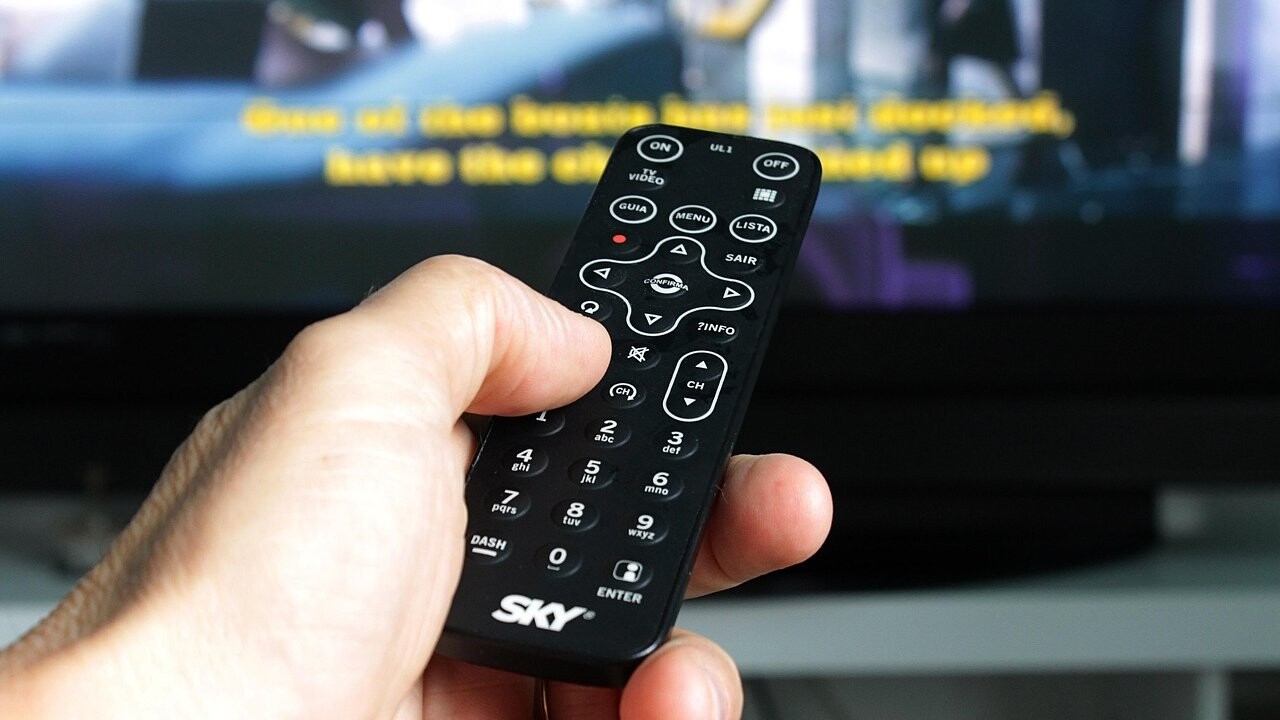
A louder television may reflect gradual hearing difficulty rather than an attempt to control the room. The National Institute on Aging lists needing television volume so loud that others complain as a sign of hearing loss. A calm conversation about the volume is more constructive than a struggle over the remote.

Switching On More Lights
Brighter lamps can make reading, sewing, and other close work more comfortable. MedlinePlus says larger print or additional light may be enough to help with early presbyopia, the age-related difficulty of focusing nearby. A well-placed reading lamp can therefore be a practical tool rather than needless brightness.

Adding Extra Seasoning
Food can seem less vivid as sensitivity to basic tastes declines with age. MedlinePlus suggests trying different spices or changing how food is prepared. Herbs, acidity, aroma, contrasting textures, and a crisp finish can make a familiar meal more interesting without relying on a single seasoning for all the flavor.
Skipping the Daily Shower
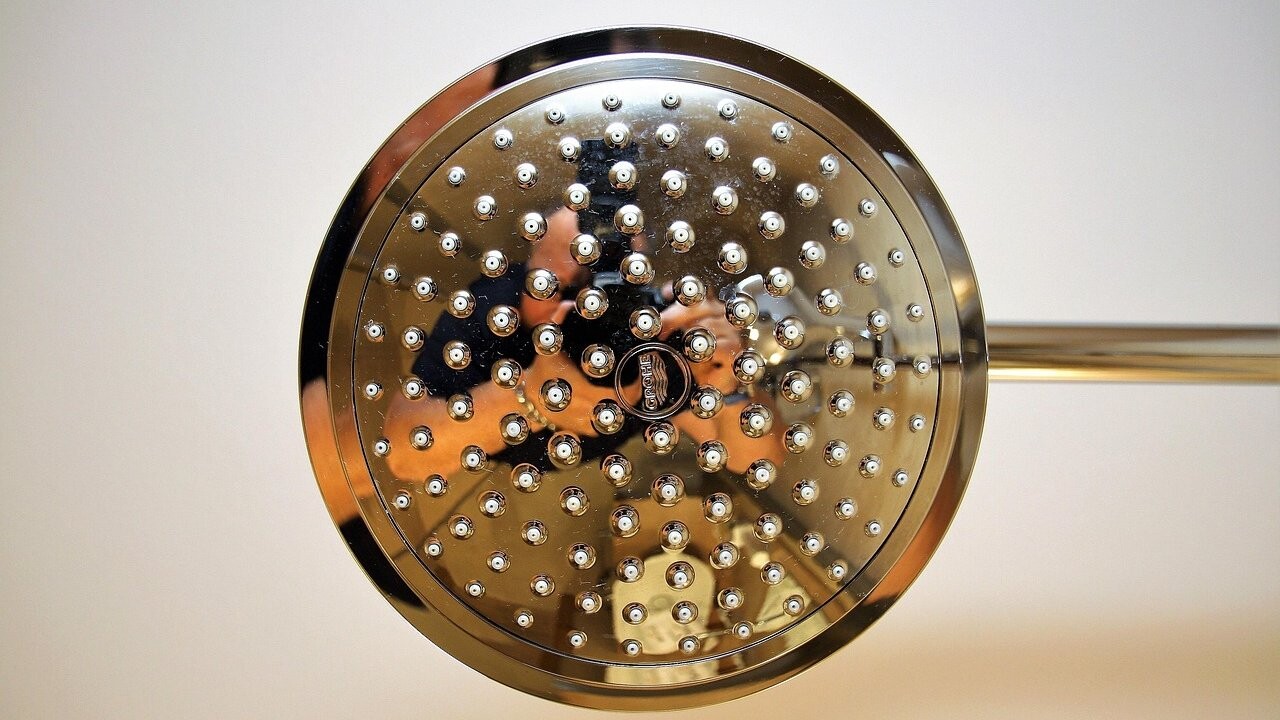
This choice can reflect a different personal-care routine rather than poor hygiene. The American Academy of Dermatology says older skin becomes thinner and loses water more easily, and some older adults may not need to bathe every day. Activity, weather, comfort, and personal preference all help shape a sensible schedule.

Repeating a Favorite Story
A familiar story may return because it matters to the storyteller or because keeping track of every audience is difficult. The National Institute on Aging notes that learning new things can take longer with age. It also lists repeating the same story over and over among possible dementia symptoms, particularly when it forms part of a broader pattern.
Turning Small Talk Into a Long Chat
A conversation with a cashier or neighbor may be an important moment of connection, especially after retirement or changes in a social circle. The CDC says close, supportive relationships are associated with less stress, less loneliness, and better well-being. A leisurely chat can be social maintenance, not merely a delay in the checkout line.

Writing Everything Down
Paper calendars, grocery lists, and notes are deliberate tools, not automatic evidence of failing memory. The National Institute on Aging recommends lists, calendars, and notes for managing ordinary forgetfulness. A written reminder also remains visible without a charged phone, an audible notification, or remembering which application holds the information.

Reading the Printed Newspaper
Print offers a fixed layout, no pop-up alerts, and a familiar morning ritual. Pew Research Center data show that printed news is used more commonly by the oldest age group than by the youngest. For some readers, turning pages, marking articles, and lingering over the local section remain part of the pleasure.
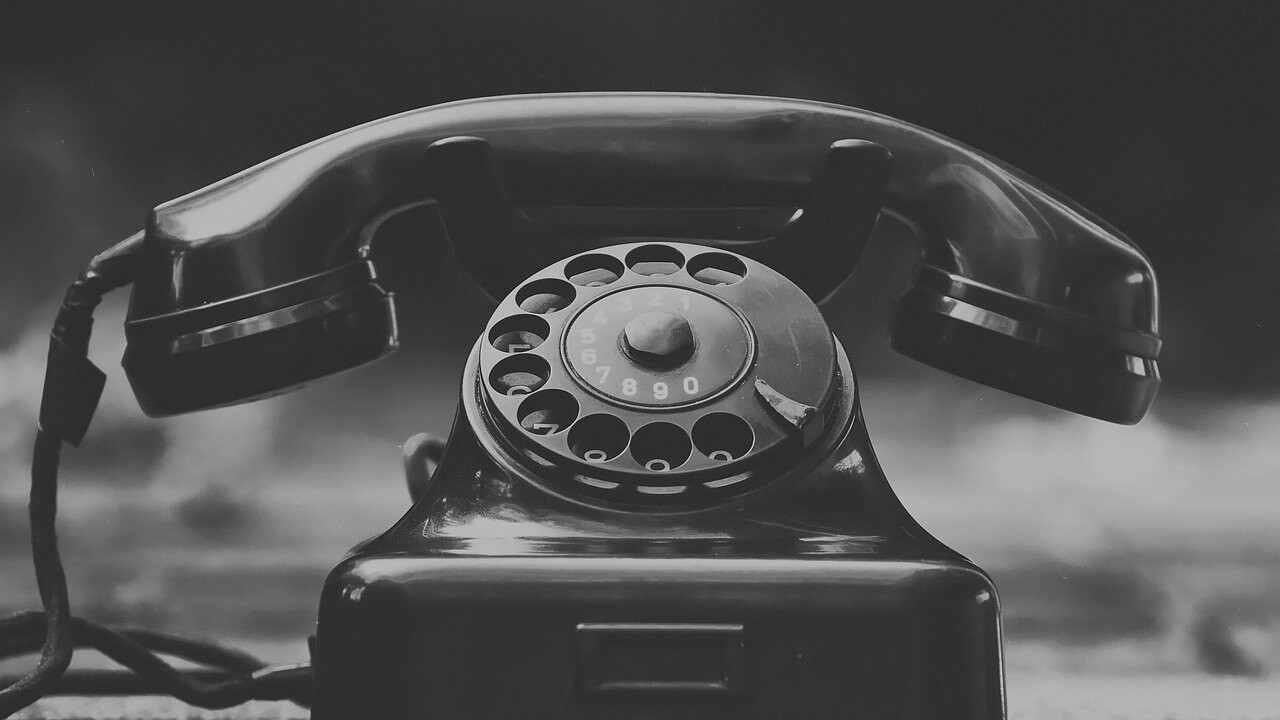
Keeping the Landline
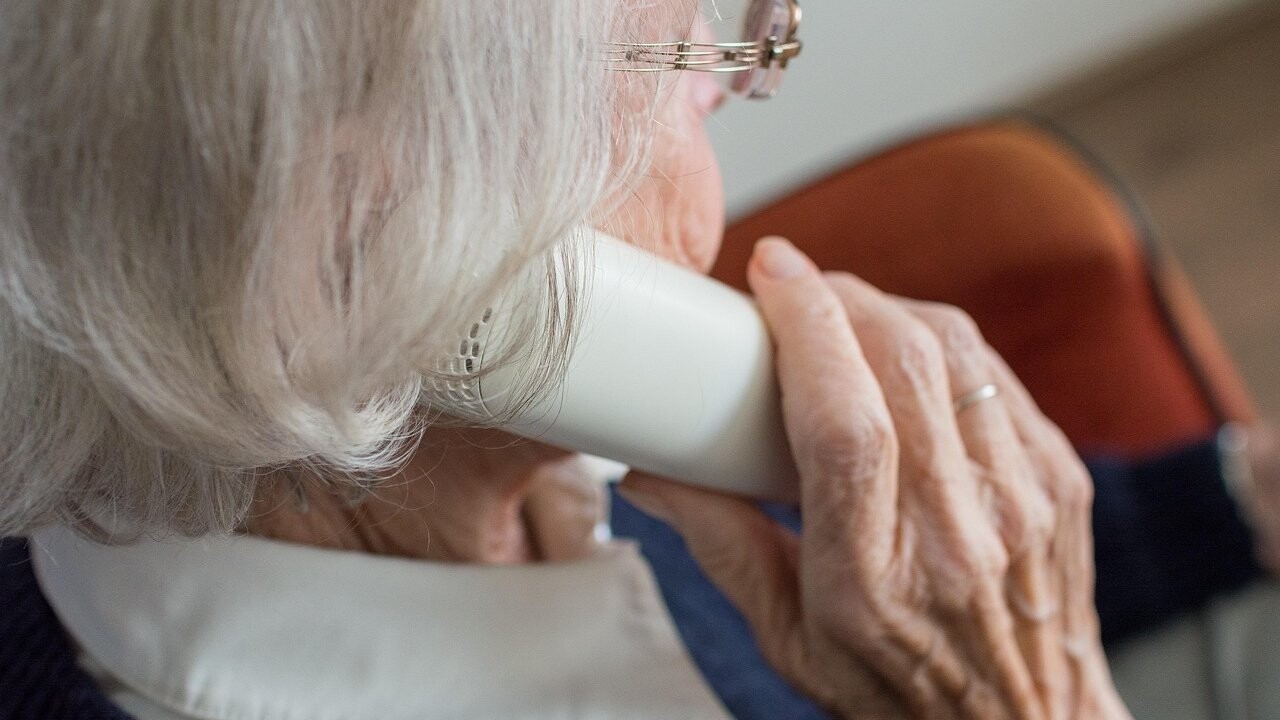
A landline provides one household number, familiar controls, and a phone that stays in a predictable place. CDC survey data show that wireless-only living becomes less common as age increases beyond middle age. Keeping a home phone is therefore a recognizable preference among some older adults, though it is far from universal.
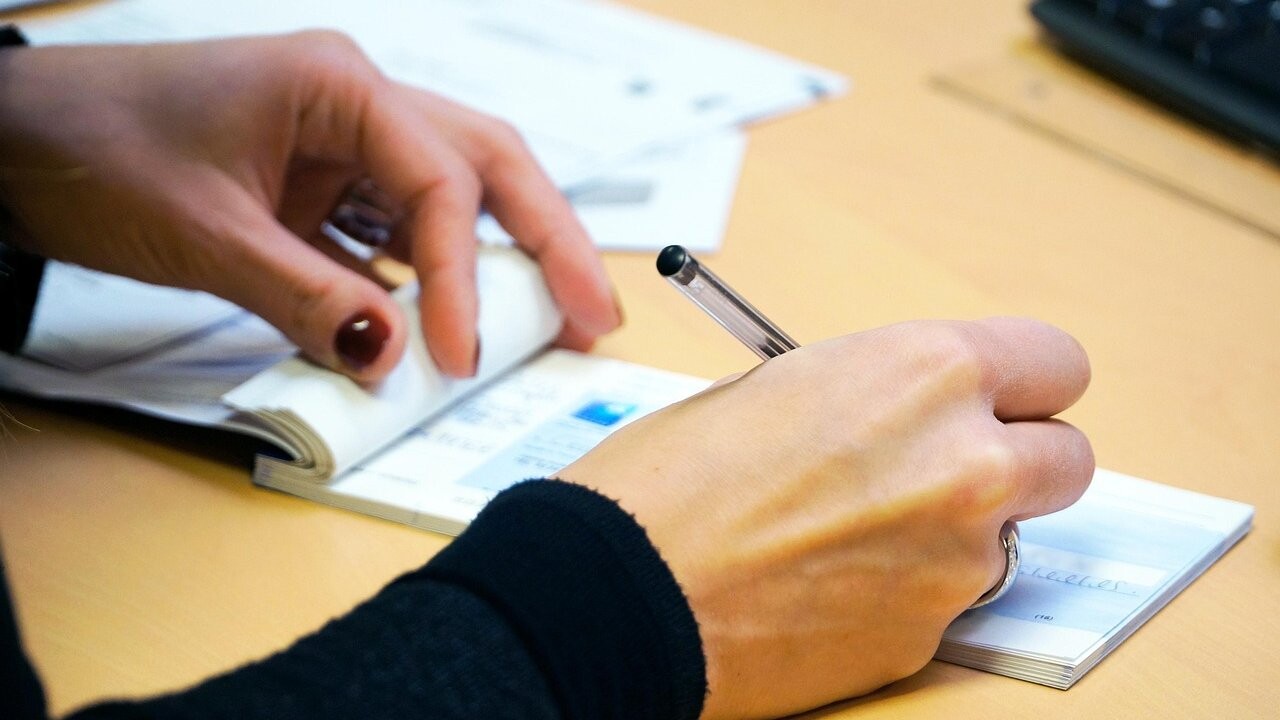
Paying Bills by Check
Checks create a physical record and allow the writer to review each payment before sending it. A Federal Reserve survey found that paper checks were used for bill paying across all age groups but were more prevalent among the oldest respondents. Familiarity with the process can make it feel straightforward and dependable.

Keeping Cash at Home
Keeping a few bills nearby can provide a practical backup. Federal Reserve research says older people carry more cash on their person, while the Federal Emergency Management Agency advises keeping a small amount safely at home for emergencies. The emphasis is on a modest reserve stored securely, not a large sum tucked around the house.
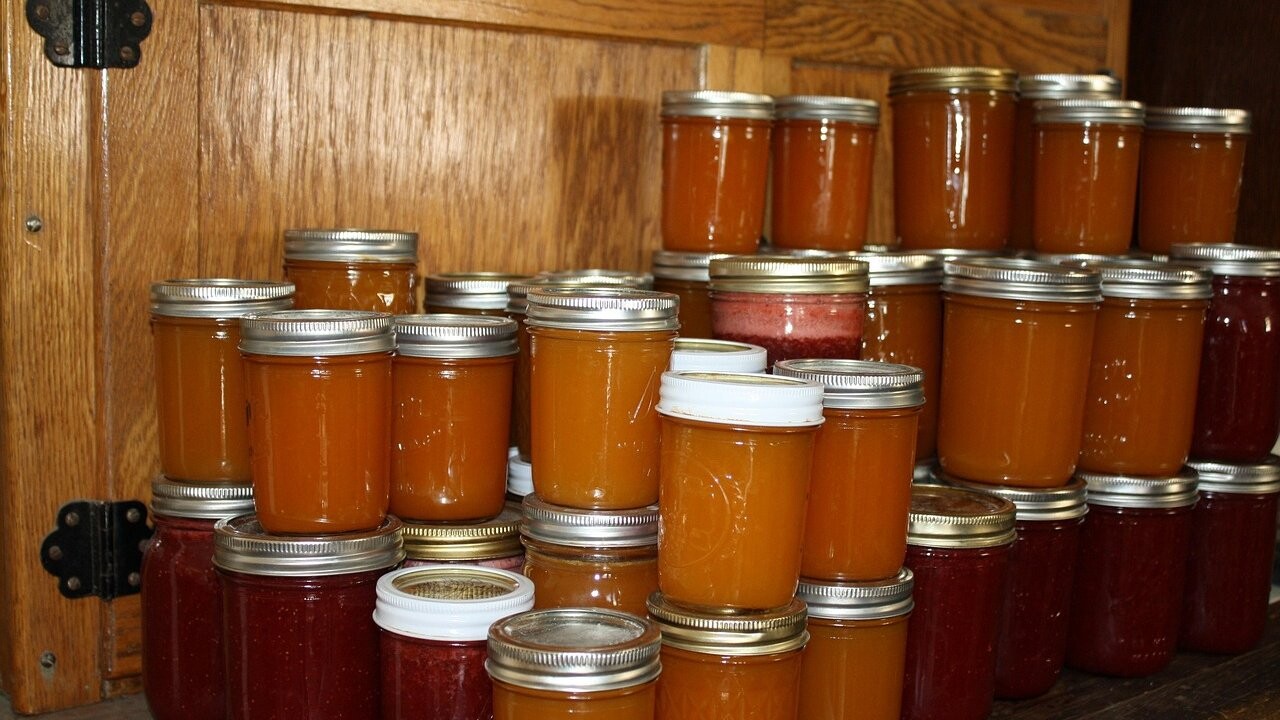
Saving Things for Later
A long life naturally produces a long trail of objects, from family photographs to containers that might be useful again. A peer-reviewed review proposes that sentimental thoughts about possessions may increase with age, although its broader model is theoretical. A box of keepsakes deserves curiosity before criticism and is not automatically evidence of hoarding.
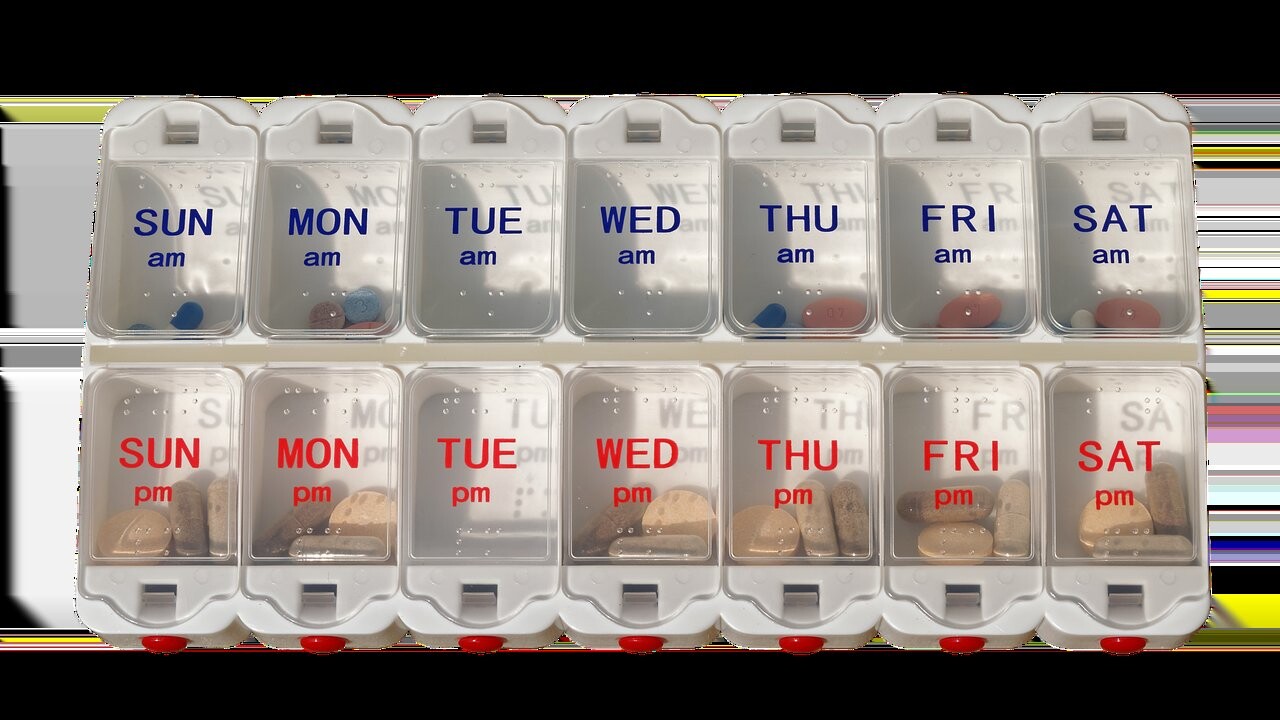
Organizing Pills Carefully
A pill organizer, written schedule, and repeated double-check can make a complicated routine easier to follow. The National Institute on Aging notes that many older people take multiple medications and may find everything difficult to track. An orderly system keeps the schedule visible, while a current medication list gives doctors and pharmacists a clear record to review.
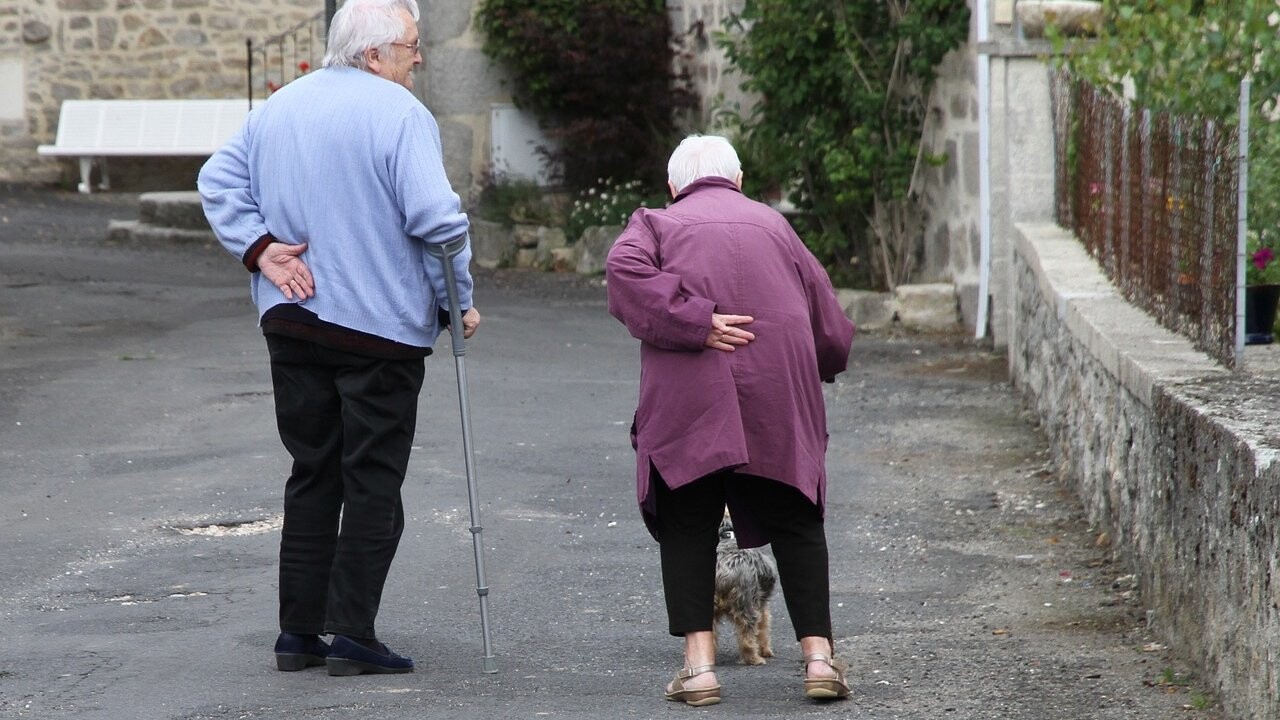
Taking the Same Daily Walk
Following a familiar walking route removes decisions and makes distance, hills, crossings, and resting places predictable. Federal physical activity guidance says walking has many health benefits and a low risk of injury. The most suitable route and pace still depend on the walker, the weather, local conditions, and what feels comfortable that day.
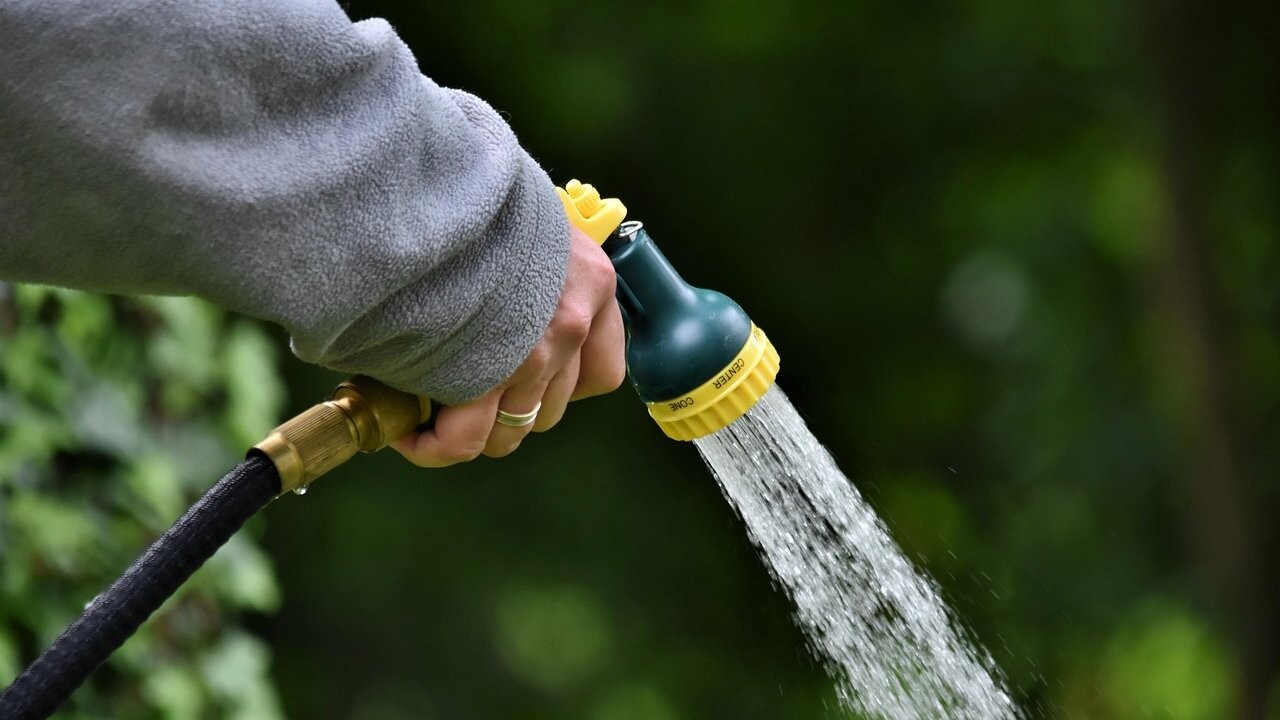
Spending Hours in the Garden
Gardening combines movement, fresh air, visible progress, and a reason to return tomorrow. The National Institute on Aging presents it as one enjoyable way to be active. Raised beds, lighter tools, shady pauses, and shorter sessions can make the routine more manageable while preserving the satisfaction of tending something through the seasons.
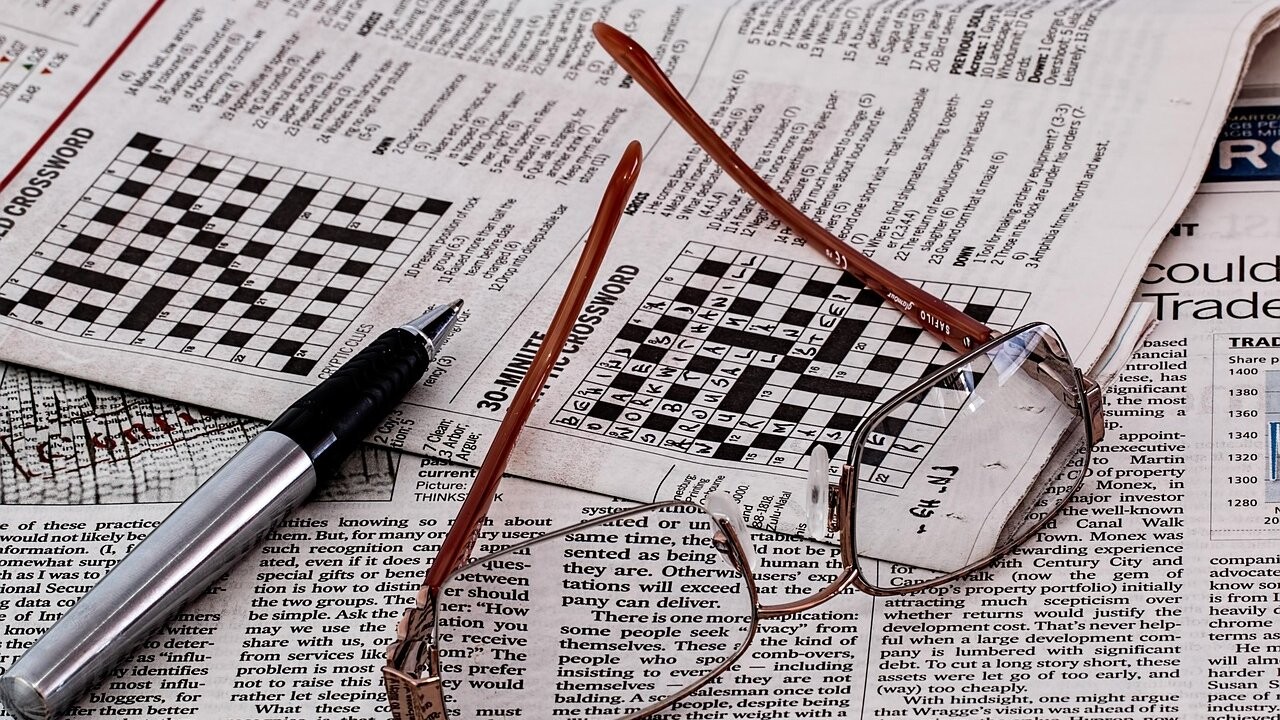
Doing Crosswords and Puzzles
Crosswords and jigsaw puzzles offer structure, challenge, and the satisfaction of completing something. They can be worthwhile simply because they are enjoyable. The National Institute on Aging cautions that evidence for lasting cognitive benefits from mentally engaging activities is not definitive, so a favorite puzzle should not be treated as guaranteed protection against dementia.
Many familiar habits are thoughtful adaptations or cherished routines hidden inside ordinary moments. Which of these habits feels most familiar in your life or family?
Follow The HyperHive on MSN for more stories like this.
Sources:



